
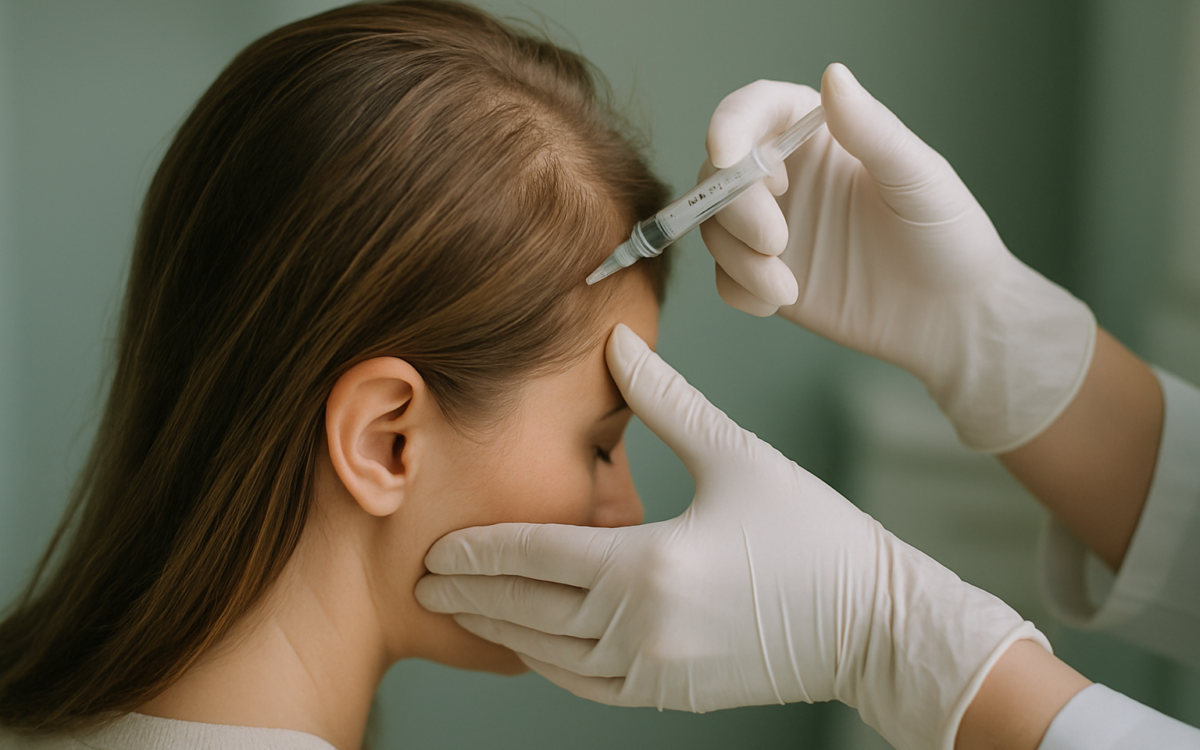
Thinning hair is a common concern for many people, often leading to worries about self-image and confidence. While it is a natural part of aging for some, hair thinning can occur at any age and may arise from various factors. Understanding the causes and available treatments can empower you to address your concerns effectively.
What Causes Thinning Hair?
Before seeking a cure for thinning hair, it’s essential to understand the underlying causes. Thinning hair can stem from several factors:
- Genetics: One of the most common reasons for hair thinning is hereditary baldness, known as androgenetic alopecia. This condition affects both men and women, usually starting in their twenties or thirties.
- Hormonal Changes: Hormonal fluctuations, particularly in men, can lead to hair loss. Conditions like thyroid disorders or changes during puberty can impact hair density.
- Medical Conditions: Certain medical conditions, such as iron deficiency anemia or autoimmune diseases like alopecia areata, can result in hair thinning.
- Nutrition: A poor diet lacking essential nutrients, like proteins, vitamins, and minerals, can contribute to hair loss.
- Stress: High levels of stress can lead to temporary hair thinning through a condition known as telogen effluvium, where hair falls out after a stressful event.
- Medications: Some medications for heart conditions, depression, or arthritis may have hair loss as a side effect.
Available Treatments for Thinning Hair
While there might not be a universal ‘cure’ for thinning hair, several treatments can help manage the issue:
Medications
Two FDA-approved medications for treating hair loss due to androgenetic alopecia include:
- Minoxidil: Available over-the-counter, this topical treatment can stimulate hair growth in both men and women. It typically takes several months to see noticeable results.
- Finasteride: This prescription pill is primarily for men. It works by blocking the hormone that contributes to hair loss. However, it may cause side effects and should be discussed with a healthcare provider.
Hair Restoration Therapies
If medications are not effective or suitable, hair restoration therapies may be an option. Some common approaches include:
- Hair Transplant Surgery: This surgical procedure involves moving hair follicles from one part of the scalp to thinning areas. It is often successful but requires careful consideration and discussion with a specialist.
- Microneedling: This treatment uses small needles to create tiny wounds in the scalp, which may promote hair growth by stimulating blood flow and the release of growth factors.
- Platelet-Rich Plasma (PRP) Therapy: This therapy involves drawing a small amount of blood, processing it to concentrate the platelets, and then injecting it into the scalp to encourage hair regeneration.
Lifestyle Changes for Healthier Hair
Adopting healthy habits can also support hair health:
- Eat a Balanced Diet: Incorporate foods rich in proteins, healthy fats, vitamins A, C, D, and E, and minerals like zinc and iron to promote stronger hair.
- Stay Hydrated: Drinking adequate water supports overall health, including hair hydration and growth.
- Manage Stress: Consider stress-reducing activities such as yoga, meditation, or regular exercise to help mitigate the impacts of stress-induced hair loss.
- Avoid Harsh Treatments: Limit exposure to hair treatments that may damage hair, such as excessive heat styling, chemical dyes, or tight hairstyles that cause traction alopecia.
Natural Remedies: Worth the Hype?
Many people seek natural remedies as potential solutions for thinning hair. While some show promise, it is crucial to approach them with realistic expectations. Here are a few to consider:
- Essential Oils: Oils like rosemary or peppermint are believed to promote hair growth due to their stimulating properties. Dilute with a carrier oil before applying to the scalp.
- Aloe Vera: Known for its soothing properties, aloe vera may help improve scalp health and reduce dandruff, leading to better hair conditions.
- Biotin Supplements: Popular among those facing hair loss, biotin is a B-vitamin that may support hair health. However, consult your healthcare provider before starting any supplement.
When to See a Doctor
If you are experiencing significant hair thinning or loss, it’s advisable to consult a healthcare provider. They can help determine the cause and recommend appropriate treatment options. It’s especially pertinent if you notice:
- Rapid hair loss over several weeks or months.
- Other unexplained symptoms such as fatigue, skin changes, or hormone imbalances.
- Hair loss following a medication change or new health diagnosis.
Conclusion
Thinning hair can be distressing, but understanding its causes and exploring potential treatments can empower you to find solutions that work for your unique situation. From medications to lifestyle changes, there are various ways to manage thinning hair effectively. Remember, it’s always a good idea to consult a healthcare provider to find the best approach for you, ensuring your treatment plan is safe and suitable for your individual needs.
