
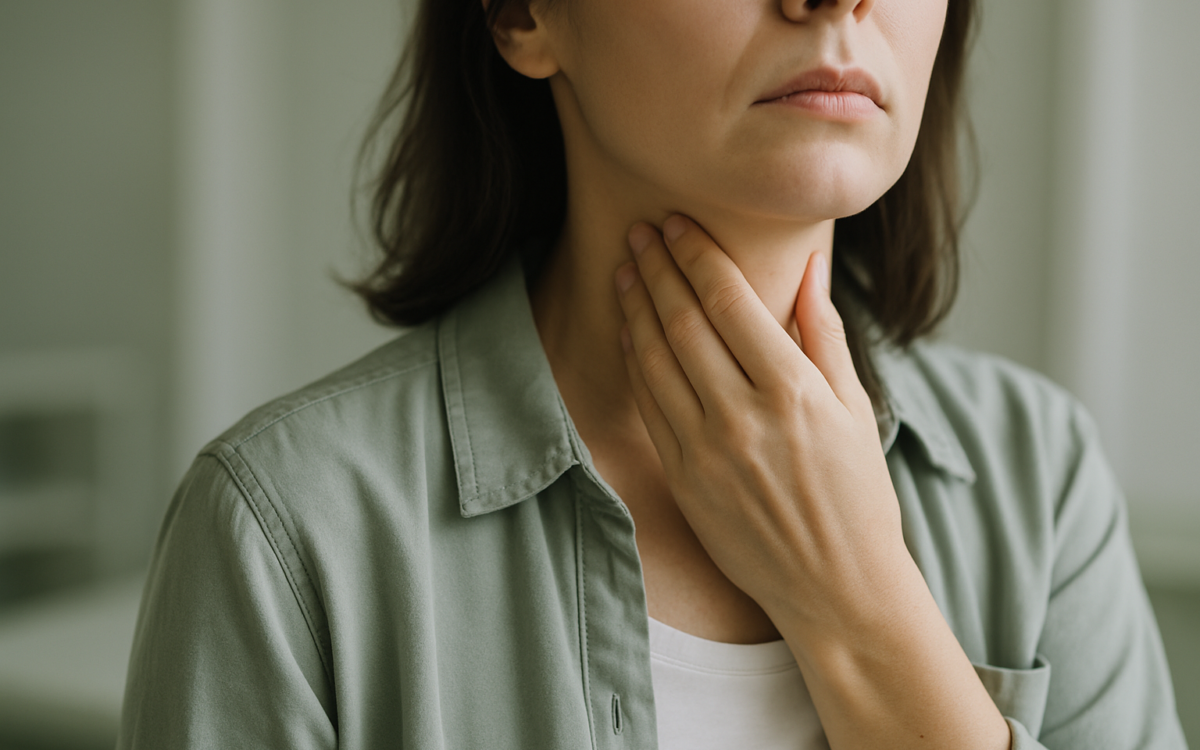
The thyroid is a small but crucial gland located at the base of your neck. It plays an essential role in regulating metabolism, energy levels, and numerous other bodily functions. Both men and women can experience thyroid issues, but certain symptoms can manifest more distinctly in women. Understanding these symptoms can be helpful for early diagnosis and effective management.
What Is the Thyroid and Why It Matters
The thyroid gland produces hormones that regulate various metabolic processes in the body, including how you use energy, maintain body temperature, and even how you experience mood. When the thyroid is not functioning properly, it can lead to conditions like hypothyroidism (underactive thyroid) or hyperthyroidism (overactive thyroid). These conditions affect women disproportionately, leading to many symptoms that can significantly impact quality of life.
Common Symptoms of Hypothyroidism in Women
Hypothyroidism occurs when the thyroid gland does not produce enough hormones. This condition is more frequent in women, especially those over 60. Recognizing the signs can be crucial for seeking timely treatment.
- Fatigue: Feeling unusually tired or sluggish is one of the earliest signs.
- Weight Gain: Unexplained weight gain despite a stable diet can suggest a slowing metabolism.
- Cold Sensitivity: Increased sensitivity to cold temperatures is a common complaint.
- Dry Skin and Hair: You may notice your skin becoming coarse or your hair thinning and falling out.
- Constipation: Slower digestive processes can lead to regular constipation issues.
- Mood Changes: Women might experience feelings of sadness or depression.
Common Symptoms of Hyperthyroidism in Women
Hyperthyroidism, on the other hand, occurs when the thyroid gland is overactive and produces excess hormones. This condition can also be quite debilitating and significantly alters daily life.
- Weight Loss: Sudden weight loss, despite increased appetite, is a significant symptom.
- Rapid Heartbeat: Palpitations or a racing heart can be alarming and should be evaluated.
- Increased Sweating: Women may feel overly warm or sweaty with minimal exertion.
- Fatigue and Muscle Weakness: Feeling tired and experiencing weakness, especially in the upper arms and thighs, can occur.
- Anxiety: Many women report heightened anxiety or irritability.
Other Symptoms Related to Thyroid Disorders
Beyond the more common symptoms, thyroid disorders can lead to various other physical and emotional changes. It’s important to recognize these changes to identify potential thyroid issues.
- Changes in Menstrual Cycle: Irregular or heavy menstrual periods may signal thyroid problems.
- Goiter: An enlarged thyroid gland can lead to a visible swelling at the base of the neck.
- Sleep Disturbances: Difficulty sleeping can be a both a cause and result of thyroid issues.
Thyroid Disorders and Autoimmune Conditions
Many thyroid problems in women stem from autoimmune diseases like Hashimoto’s thyroiditis and Graves’ disease. Hashimoto’s leads to hypothyroidism while Graves’ causes hyperthyroidism.
Women with thyroid-related autoimmune conditions may experience fluctuations in symptoms and may find that they can be linked to other conditions, such as fertility issues or postpartum depression. Research indicates that these autoimmune conditions often run in families, suggesting a genetic component in their development. If you have a family history of thyroid disease, it’s vital to monitor your health closely.
The Importance of Early Detection and Treatment
Early detection of thyroid issues is crucial for effective treatment. Thyroid dysfunction can significantly affect daily life, but many symptoms can often be dismissed as standard fatigue or stress. Regular check-ups can help you monitor your thyroid function, especially if you notice any of the symptoms discussed.
Tests for thyroid function can easily be performed through blood tests that measure hormone levels. As women can experience fluctuating hormone levels during different life stages, including pregnancy, menopause, and beyond, understanding your thyroid health is particularly vital.
When to See a Doctor
If you are experiencing one or more of the symptoms mentioned, consulting a healthcare professional is essential. They can perform the necessary tests to rule out thyroid dysfunction or recommend appropriate treatments. Early intervention can make a significant difference in managing the symptoms effectively, allowing you to lead a healthy, balanced life.
Conclusion
Understanding the symptoms of thyroid issues in women is vital for early diagnosis and management. Whether you suspect hypothyroidism, hyperthyroidism, or another thyroid-related condition, don’t hesitate to consult with a healthcare provider. Recognizing the signs is the first step toward achieving your best health. For more information on thyroid health, visit reputable sources like the NIH or Mayo Clinic.
