
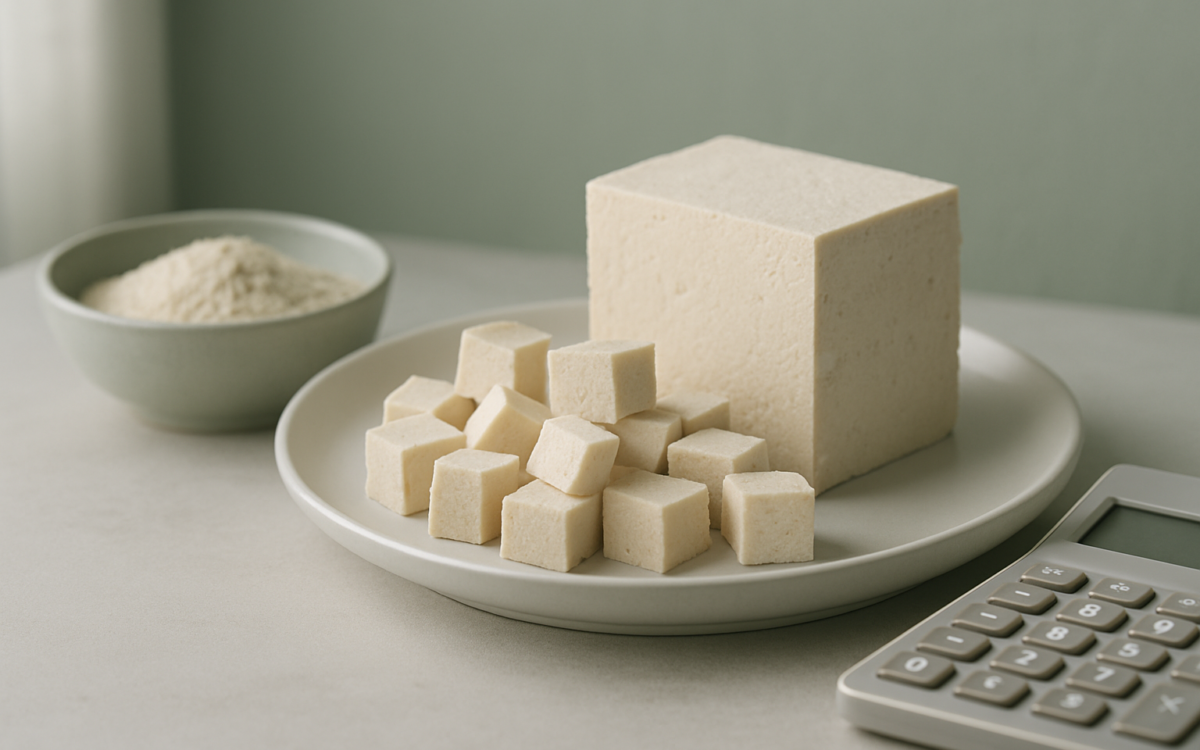
Tofu, often referred to as bean curd, is a popular food choice in many diets, especially for those looking for vegetarian or vegan protein sources. Whether you’re a seasoned tofu lover or trying it for the first time, understanding its calorie content and nutritional benefits can help you make informed decisions about your meals.
What Is Tofu?
Tofu is made from soybeans, water, and a coagulant, usually magnesium chloride or calcium sulfate. The mixture is pressed into solid blocks, giving tofu its characteristic texture. Available in various types, such as silken, soft, firm, and extra-firm, tofu is incredibly versatile and can adopt the flavors of the dishes it’s combined with.
Tofu Caloric Content
The calorie content of tofu can vary based on its type and preparation. Here’s a rough breakdown of the calorie content in different tofu types:
- Silken Tofu: About 55 calories per 100 grams.
- Soft Tofu: Approximately 70 calories per 100 grams.
- Firm Tofu: Around 144 calories per 100 grams.
- Extra-Firm Tofu: About 181 calories per 100 grams.
It’s important to note that these calories can change based on the cooking methods used, such as frying or marinating. For instance, frying tofu in oil can significantly increase its calorie count.
Nutritional Benefits of Tofu
Beyond calories, tofu is packed with nutrients:
- Protein: Tofu is a complete protein, meaning it contains all nine essential amino acids. This makes it an excellent protein source for vegetarians and vegans.
- Isoflavones: Tofu contains isoflavones, which have been linked to various health benefits, including reduced risk of heart disease and improved bone health.
- Minerals: Tofu is rich in calcium and iron, essential for maintaining strong bones and healthy blood.
- Low in Saturated Fat: Unlike many animal proteins, tofu is low in saturated fat, making it heart-healthy.
For detailed nutritional information, you can consult resources like the National Institutes of Health.
How to Incorporate Tofu into Your Diet
Tofu can be used in a variety of dishes, making it easy to include in your diet:
- In Stir-Fries: Cube firm or extra-firm tofu and sauté it with vegetables and your favorite sauce.
- In Smoothies: Silken tofu can be blended into smoothies for a protein boost without altering the flavor.
- In Salads: Crumble or cube cooked tofu and toss it into salads for added texture and nutrition.
- As a Meat Substitute: Use tofu in recipes that traditionally call for meat, such as tacos or burgers.
Experimenting with different flavors and cooking techniques can help you find your favorite ways to enjoy tofu.
Potential Allergies and Considerations
While tofu is considered safe for most people, some individuals may have soy allergies. Symptoms can range from digestive issues to more severe reactions. If you suspect a soy allergy, consult a healthcare professional for guidance.
Additionally, while tofu is a healthy food option, it’s essential to balance your diet with a variety of foods to ensure you’re getting all the nutrients you need. The World Health Organization emphasizes the importance of a balanced diet for overall health.
When to See a Doctor
If you experience any allergic reactions or digestive discomfort after consuming tofu, it’s crucial to seek medical advice. Also, if you have specific dietary concerns or questions about incorporating tofu into your meal plan, talking to a registered dietitian or your healthcare provider can be helpful.
Conclusion
Tofu is more than just a meat substitute; it is a nutritious food option loaded with health benefits. With varying calorie contents based on its type and preparation, tofu can fit into a variety of dietary needs, whether you’re watching your weight or seeking protein-rich foods. By understanding its nutritional profile and experimenting with different recipes, you can enjoy tofu’s versatility and health advantages in your meals.
