
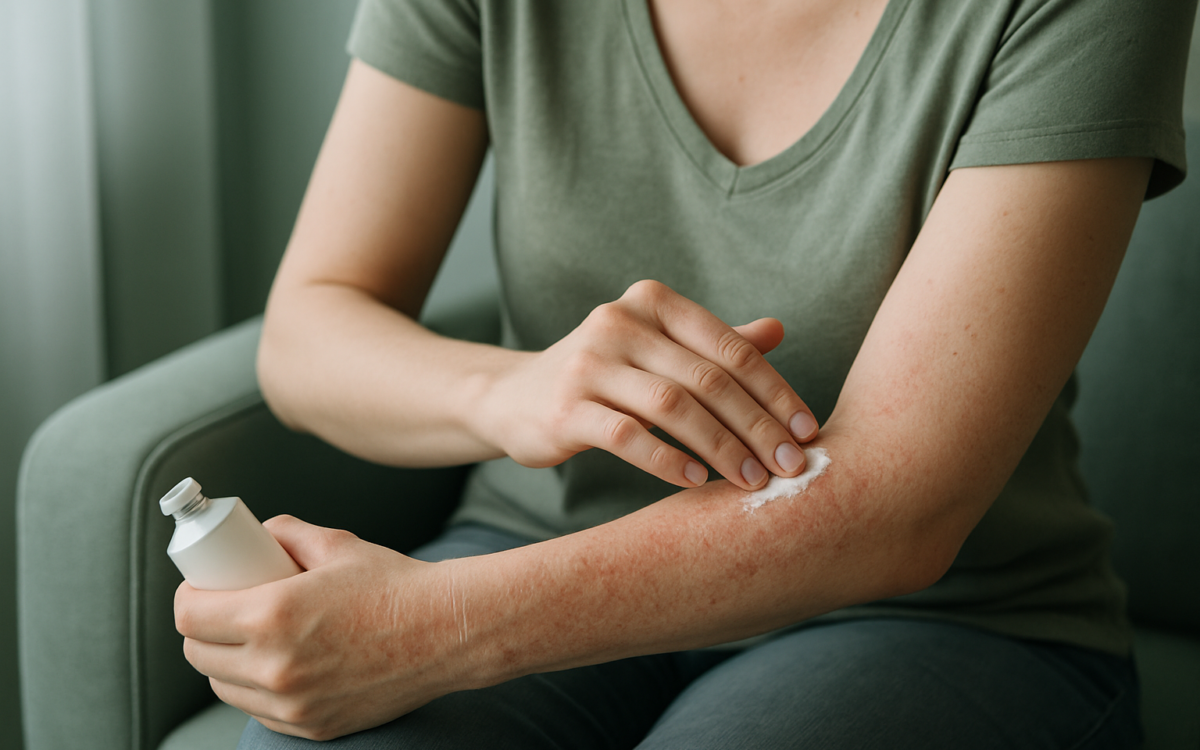
Topical steroids are often prescribed for various skin conditions, such as eczema and dermatitis, to reduce inflammation and ease discomfort. While these medications can provide relief, some individuals may experience a phenomenon known as topical steroid withdrawal (TSW) after discontinuing their use. Understanding TSW is essential for those who may face challenges once they stop using topical steroids.
What is topical steroid withdrawal?
Topical steroid withdrawal occurs when the skin reacts negatively after stopping the use of topical corticosteroids. This condition can lead to various symptoms, including red, inflamed, and itchy skin. For some people, these symptoms can be mild, while for others, they can be severe and persistent, complicating their recovery.
Signs and symptoms of TSW
When experiencing TSW, individuals may notice a range of symptoms, which can sometimes feel overwhelming. Here are some common signs to look out for:
- Redness and inflammation: The skin may appear intensely red and feel swollen.
- Itching: Many individuals report severe itching, which can lead to scratching and further irritation.
- Burning sensation: Some people experience a burning or stinging sensation on their skin.
- Rash: A rash may develop, often resembling eczema or another skin condition.
- Flaking or peeling skin: The affected areas may become dry, flaky, or scaly.
These symptoms can significantly impact the quality of life, making it essential to recognize them and seek appropriate support.
Why does TSW occur?
Research indicates that TSW can happen due to the skin’s dependence on topical steroids. When used for extended periods or in high potencies, the skin may become accustomed to the steroids, diminishing its natural barrier function. Once the steroids are stopped, the skin reacts in various ways, leading to withdrawal symptoms.
Additionally, particular skin types or underlying conditions, such as pre-existing eczema, may predispose individuals to TSW. Understanding these factors can help guide expectations and approaches to managing the withdrawal process.
Managing symptoms during withdrawal
Coping with TSW can be challenging, but there are several strategies that might help alleviate symptoms:
- Stay hydrated: Keeping your skin moisturized can assist in managing dryness and irritation. Use fragrance-free, hypoallergenic moisturizers that suit your skin type.
- Seek support: Connecting with support groups or online communities can be beneficial. Sharing experiences with others who understand TSW can provide comfort and guidance.
- Gentle cleansing: Use mild, non-irritating cleansers to wash affected skin areas. Avoid harsh soaps or scrubs that might exacerbate symptoms.
- Avoid triggers: Identify and avoid any products or situations that might worsen redness or irritation, like certain fabrics or temperatures.
While these steps can help lessen the intensity of symptoms, it’s crucial to consult with a healthcare professional for personalized advice and support.
Duration of withdrawal symptoms
The length of time someone experiences TSW can vary widely. For some, symptoms may resolve within a few weeks, while others may face prolonged withdrawal lasting several months or longer. Various factors can influence the duration, including:
- Strength of the steroid used
- Length of usage
- Individual skin characteristics
- Underlying skin conditions
Tracking symptoms and maintaining an open dialogue with healthcare providers can assist in managing expectations during the recovery process.
When to see a doctor
If you’re facing symptoms of topical steroid withdrawal, it may be wise to consult a healthcare professional. Seek medical advice if:
- Symptoms are severe or prolonged.
- New symptoms develop or worsen.
- You experience a lot of discomfort or pain.
- You are unsure whether your symptoms are indeed from TSW.
Healthcare providers can offer guidance, recommend treatments or therapies, and help ensure you’re supported throughout the withdrawal process.
Conclusion
Topical steroid withdrawal can pose unique challenges to individuals who have relied on corticosteroids for skin conditions. By understanding the symptoms, causes, and coping strategies for TSW, you can better prepare for this experience. Remember, seeking support from friends, family, or healthcare professionals is vital as you navigate your recovery journey.
For more information on skin health and corticosteroid use, you can visit resources from the NIH or the Mayo Clinic.
