
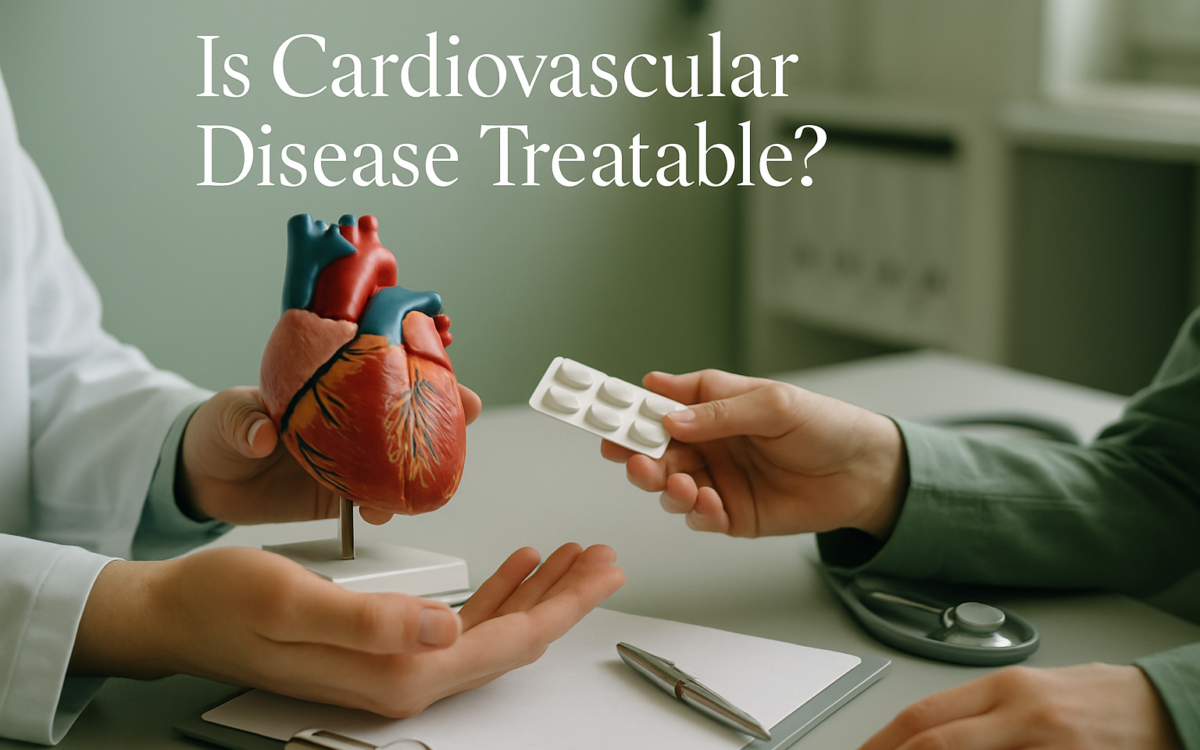
Cardiovascular disease (CVD) remains a leading cause of death worldwide, yet many people are not aware of the options available for its treatment and management. Understanding whether cardiovascular disease is treatable is crucial as it can lead to better heart health and improved quality of life.
What is Cardiovascular Disease?
Cardiovascular disease encompasses a range of conditions that affect the heart and blood vessels. This includes coronary artery disease, heart rhythm disorders, heart valve problems, and heart failure. Risk factors such as high blood pressure, high cholesterol, diabetes, obesity, and smoking can contribute to the development of CVD.
Types of Treatment for Cardiovascular Disease
The treatment for cardiovascular disease can vary significantly based on the type and severity of the condition. Here are some common treatment options:
Lifestyle Changes
One of the most effective treatments for cardiovascular disease is making lifestyle changes. This includes:
- Eating a heart-healthy diet: Focus on fruits, vegetables, whole grains, lean proteins, and healthy fats.
- Regular physical activity: Aim for at least 150 minutes of moderate exercise each week.
- Quitting smoking: Smoking cessation significantly reduces the risk of cardiovascular events.
- Managing stress: Techniques such as mindfulness, yoga, and deep-breathing exercises can help manage stress levels.
Medications
In many cases, doctors prescribe medications to manage risk factors and treat existing conditions. Common medications include:
- Antihypertensives to control high blood pressure.
- Statins to lower cholesterol levels.
- Antiplatelet agents to prevent blood clots.
- Beta-blockers to manage heart rate and blood pressure.
Medical Procedures and Surgery
For some individuals, medications and lifestyle changes may not be sufficient, and more invasive treatments may be necessary. These can include:
- Angioplasty and stenting to open blocked arteries.
- Coronary artery bypass grafting (CABG) to improve blood flow to the heart.
- Valve repair or replacement for issues with heart valves.
- Device implantation, such as pacemakers, to regulate heart rhythms.
Monitoring and Ongoing Care
Managing cardiovascular disease often requires regular check-ups and monitoring. This ongoing care is essential for:
- Tracking the effectiveness of treatment.
- Making necessary adjustments to medications or lifestyle recommendations.
- Identifying new health issues that may arise over time.
The Role of Risk Factor Management
Another crucial aspect of treating cardiovascular disease is managing contributing risk factors. This can greatly improve outcomes and even reverse some conditions. Consider the following:
- If you have high blood pressure, monitor it regularly and follow your doctor’s advice on managing it.
- Making dietary adjustments to reduce cholesterol and improve blood sugar levels is vital.
- Regular health screenings can help catch any new risks early.
Cardiovascular Disease and Prevention
While the focus often lies on treatment, prevention plays a critical role in managing cardiovascular health. Taking steps to prevent CVD can be just as important as treating existing conditions. Some prevention strategies include:
- Engaging in community health programs focused on heart health.
- Participating in smoking cessation programs and support groups.
- Educating yourself and loved ones about healthy habits and risk factors.
When to See a Doctor
If you experience symptoms such as shortness of breath, chest pain, or persistent fatigue, it is vital to consult with a healthcare professional. Regular check-ups are also important, especially if you have risk factors for cardiovascular disease.
The Bottom Line
Cardiovascular disease is treatable for many people through a combination of lifestyle changes, medications, and medical procedures. Understanding the options available and working closely with healthcare providers can help you manage your heart health effectively. Stay informed, make proactive choices, and seek support to maximize your well-being. To learn more about cardiovascular health and treatment, refer to reliable sources like the National Institutes of Health and World Health Organization.
