
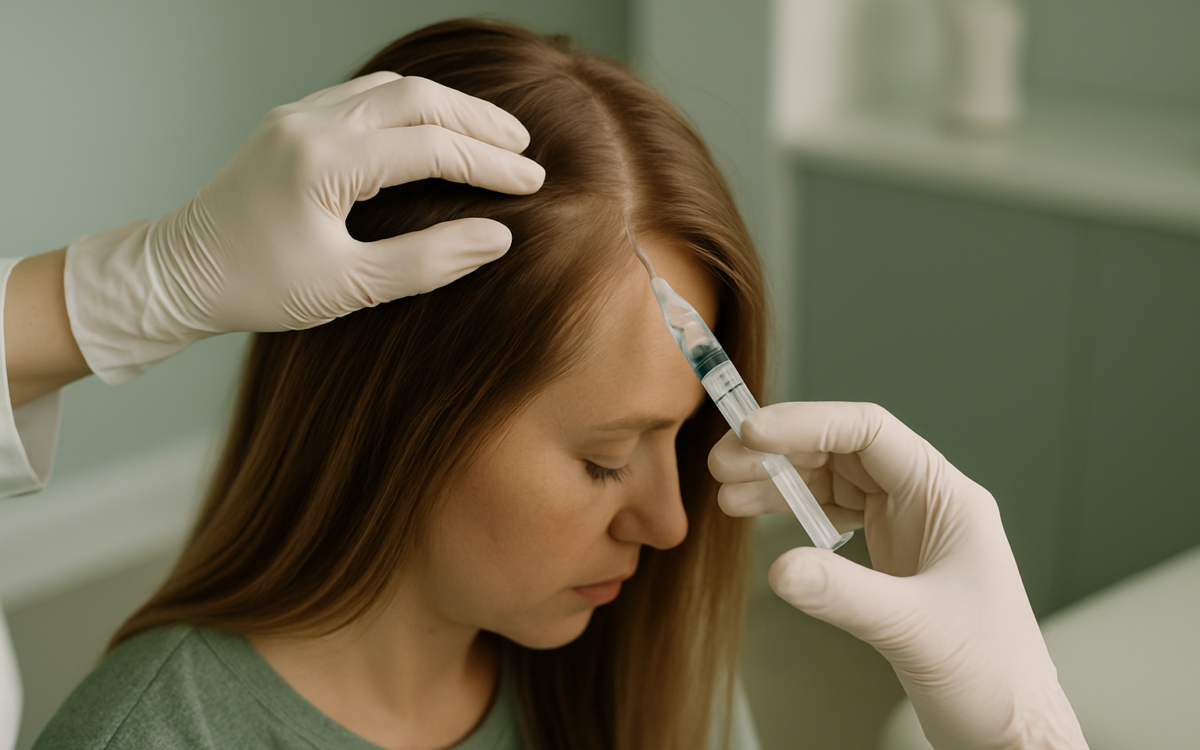
Experiencing hair loss or thinning hair can be distressing for anyone. It’s important to understand that many people go through this phase at some point in their lives. Factors such as genetics, hormonal changes, and lifestyle choices can all play a role. Luckily, various treatments are available to help manage this common condition.
Understanding Hair Loss
Hair loss, known medically as alopecia, can occur in various forms and degrees. Conditions that lead to hair loss include androgenetic alopecia, alopecia areata, and telogen effluvium. According to the National Institutes of Health, understanding the underlying cause of hair loss is crucial for selecting an effective treatment.
Medications for Hair Loss
Several medications are approved and commonly used to treat hair loss.
Minoxidil
Minoxidil is a topical solution that you apply to your scalp. It is available over-the-counter and is known to stimulate hair growth for both men and women. Research has shown its effectiveness, with many users seeing results within 4 to 6 months. Keep in mind that continued use is necessary to maintain results.
Finasteride
This prescription medication is specifically for men. It works by blocking a hormone that contributes to hair loss. Studies indicate that finasteride can stop hair loss and promote regrowth; however, it may cause side effects in some individuals. It’s essential to discuss these potential risks with your doctor before starting.
Natural Remedies and Supplements
Many people seek natural remedies for hair loss. While scientific evidence may vary, some options are popular among those looking for alternatives.
Essential Oils
Some essential oils, such as rosemary and peppermint oil, may promote hair growth by improving blood circulation in the scalp. A small study published in the Journal of Drug Delivery and Therapeutics suggested that these oils could be beneficial. However, always dilute essential oils properly and perform a patch test.
Supplements
Vitamins and minerals are essential for healthy hair. Supplements like biotin, vitamin D, zinc, and iron may help individuals with deficiencies. While some studies show promise, it’s best to consult a healthcare professional for tailored advice.
Lifestyle Changes to Support Hair Health
Small adjustments in your daily routine can have a significant impact on your hair health.
Nutrition
A balanced diet rich in protein, healthy fats, and plenty of fruits and vegetables is essential. Foods high in antioxidants, such as berries and nuts, can protect hair follicles from damage.
Managing Stress
High-stress levels can lead to hair loss. Finding ways to manage stress through mindfulness, exercise, or hobbies can help improve overall well-being and promote hair health.
Styling and Hair Care Tips
Careful styling can minimize hair loss and damage. Here are some tips:
- Avoid tight hairstyles that stress the hair shaft.
- Limit heat styling tools, as excessive heat can weaken hair.
- Choose gentle, sulfate-free shampoos to prevent irritation.
- Be cautious with chemical treatments and dyes.
When to See a Doctor
If you’re experiencing significant hair loss, it’s wise to consult a healthcare professional. They can provide a diagnosis and recommend appropriate treatments based on your specific situation. Additionally, you should seek medical advice if hair loss occurs suddenly, if you notice patches of hair loss, or if you have other concerning symptoms.
Conclusion
Hair loss and thinning can be distressing, but understanding your options is the first step in addressing it. From medications to natural remedies and lifestyle changes, there are many ways to combat hair loss. Consult a healthcare professional for the best path tailored to your needs. Taking proactive steps can support your hair health and promote overall well-being.
