
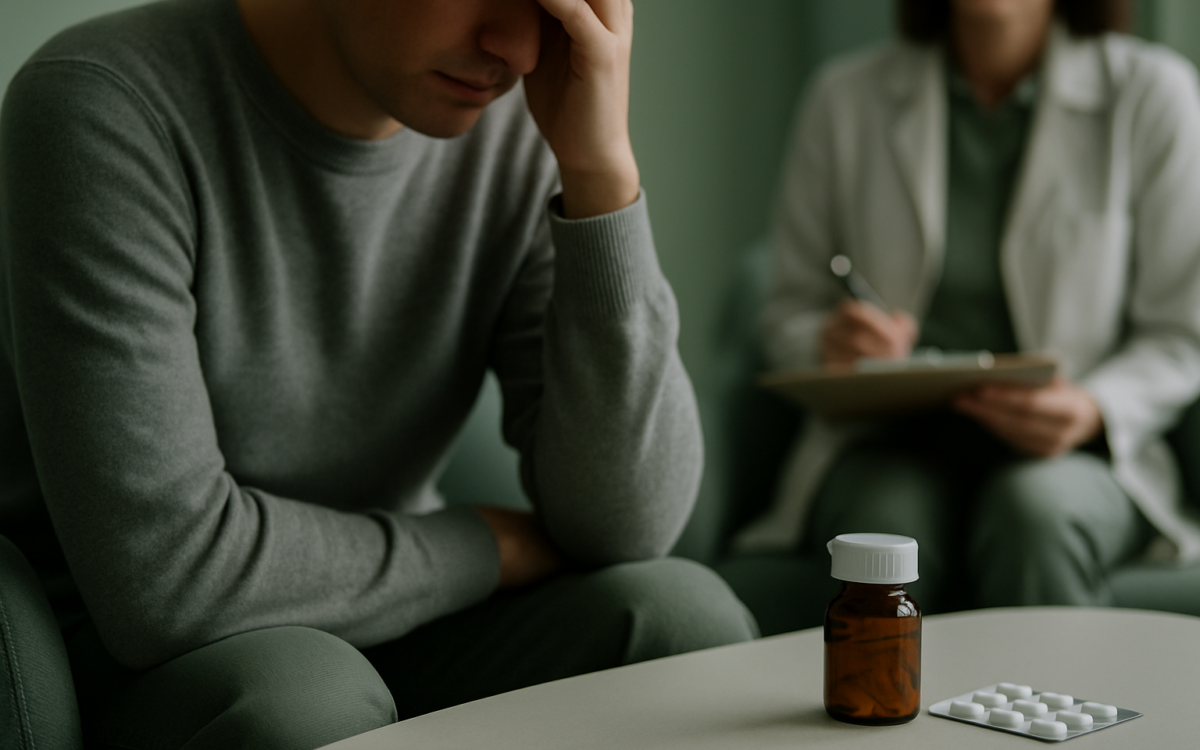
For many people, depression can feel like an unending battle. While some find relief through traditional treatments, others experience what is known as treatment-resistant depression (TRD). This condition can make it particularly hard to see a way forward, but understanding TRD can empower patients to explore other options available to them. In this article, we’ll discuss what treatment-resistant depression is, its symptoms, potential causes, and various treatment avenues to consider.
What is treatment-resistant depression?
Treatment-resistant depression refers to a form of depression that does not respond to standard treatment methods, such as therapy or antidepressant medications. According to the National Institutes of Health, around 30% of people with depression may not find adequate relief from traditional treatments. This can lead to feelings of frustration and hopelessness, as individuals affected may feel stuck in a cycle of seeking help without success.
Signs and symptoms
The symptoms of treatment-resistant depression are similar to those of major depressive disorder. These can include:
- Persistent sadness or low mood
- Loss of interest in activities
- Changes in appetite or weight
- Sleep disturbances, such as insomnia or sleeping too much
- Difficulty concentrating
- Feelings of guilt or worthlessness
- Thoughts of death or suicide
However, TRD can be particularly characterized by its persistence, where these symptoms endure despite trials of various treatment methods.
Why do some treatments fail?
The reasons for treatment resistance can be complex and vary by individual. Some factors that might contribute include:
- Biological differences: Each person’s brain chemistry is unique, which means that standard treatments may not work for everyone.
- Co-existing conditions: Many individuals struggling with depression also have anxiety disorders, substance use disorders, or other medical issues that complicate treatment.
- Inadequate treatment trials: Sometimes, patients may not have given medications or therapies enough time to take effect, or the dosage may not have been optimized.
Understanding these factors can help patients and their healthcare providers tailor a more effective treatment plan.
Exploring new treatment options
For those who find that standard treatments are not effective, there are alternative options to consider. Some of these methods include:
1. Medication adjustments
Switching medications or combinations (such as adding a second antidepressant) could lead to improved outcomes. For example, the addition of atypical antipsychotics or mood stabilizers may help some individuals.
2. Psychotherapy alternatives
Different styles of therapy, such as cognitive-behavioral therapy (CBT), dialectical behavior therapy (DBT), or interpersonal therapy, may yield better results. Sometimes, trying a new therapist or approach can provide fresh perspectives and techniques.
3. Neurostimulation therapies
For some individuals with TRD, neurostimulation treatments such as transcranial magnetic stimulation (TMS) or electroconvulsive therapy (ECT) may be effective. These approaches work on altering brain activity and can offer relief in cases where standard treatments have failed. It’s essential to work with a specialist familiar with these options.
4. Alternative treatments
Some people find that complementary therapies, including acupuncture, mindfulness, yoga, or nutritional changes, complement their standard treatments effectively. Always discuss these options with a healthcare provider to ensure they fit well with overall treatment plans.
5. International treatment perspectives
Looking beyond local options can provide hope for those facing TRD. Many countries are pioneering different therapies or have different healthcare practices that may offer solutions not available locally. For instance, international patient services can connect individuals with advanced treatments abroad, allowing for broader possibilities in managing depression.
Recent advancements in research
Research into treatment-resistant depression is ongoing, with new findings that offer hope for effective treatment. Some exciting areas under investigation include:
1. Ketamine treatments: Studies show that ketamine, traditionally an anesthetic, has rapid-acting antidepressant effects in some patients with TRD.
2. Novel medications: New kinds of antidepressants and medications targeting specific neurotransmitters are being developed.
3. Genetic testing: Some companies are exploring how genetic testing can guide personalized treatment plans.
When to see a doctor
If you or someone you know is struggling with treatment-resistant depression, it’s crucial to consult a healthcare professional. Signs that it’s time to seek help include persistent symptoms despite previous treatments, feelings of hopelessness, or thoughts of self-harm. A healthcare provider can help devise an individualized plan that caters to unique needs and may direct you toward suitable resources.
Ultimately, treatment-resistant depression can feel overwhelming, but it’s important to remember that you’re not alone. Many pathways exist to explore and discover potential relief. By staying informed and in touch with your healthcare provider, you can navigate this challenging journey toward recovery.
