
Diabetes is more than just a health buzzword; it’s a significant medical condition affecting millions of people. Knowing the differences between type 1 and type 2 diabetes can help you understand what to look for, how to manage it, and how to support loved ones who may be affected. With proper knowledge, it’s possible to live a full and healthy life with diabetes.
What is Diabetes?
Diabetes is a chronic condition that occurs when the body either doesn’t produce enough insulin or becomes resistant to insulin. Insulin is a hormone that helps regulate blood sugar levels. Uncontrolled diabetes can lead to severe health problems, including heart disease, kidney failure, vision loss, and nerve damage.
Type 1 Diabetes: An Overview
Type 1 diabetes (T1D) is often diagnosed in children and young adults but can appear at any age. In this form of diabetes, the body’s immune system mistakenly attacks and destroys the insulin-producing beta cells in the pancreas. This means that people with T1D require insulin therapy to survive.
Signs and Symptoms
Common symptoms of type 1 diabetes include:
- Increased thirst and urination
- Extreme hunger
- Weight loss despite eating well
- Fatigue and weakness
- Irritability
- Blurred vision
These symptoms often develop quickly, sometimes within days or weeks.
Type 2 Diabetes: Understanding the Condition
Type 2 diabetes (T2D) is the most common form of diabetes, accounting for about 90-95% of all diabetes cases. Unlike type 1, T2D often develops in adults, although rising obesity rates have led to more young people and children being diagnosed. It occurs when the body becomes resistant to insulin or when the pancreas cannot produce enough insulin to maintain normal glucose levels.
Risk Factors
Several risk factors increase the likelihood of developing type 2 diabetes:
- Being overweight or obese
- Being physically inactive
- Family history of diabetes
- Age (risk increases with age)
- Having high blood pressure or abnormal cholesterol levels
Monitoring these risk factors can help in early identification and management.
Managing Blood Sugar Levels
Whether someone has type 1 or type 2 diabetes, managing blood sugar levels is crucial. Here are some strategies used in diabetes management:
Diet
A balanced diet is vital for everyone but especially for those living with diabetes. Foods that are rich in fiber, such as whole grains, fruits, and vegetables, can help control blood sugar levels. It’s important to limit sugary foods and beverages.
Physical Activity
Regular exercise can improve blood sugar control and help maintain a healthy weight. Aim for at least 150 minutes of moderate aerobic activity each week, such as brisk walking or cycling.
Medication
For those with type 1 diabetes, insulin therapy is necessary. People with type 2 diabetes may also require insulin or other medications to help manage their blood glucose levels. Treatments can include oral medications and non-insulin injectables.
Regular Monitoring
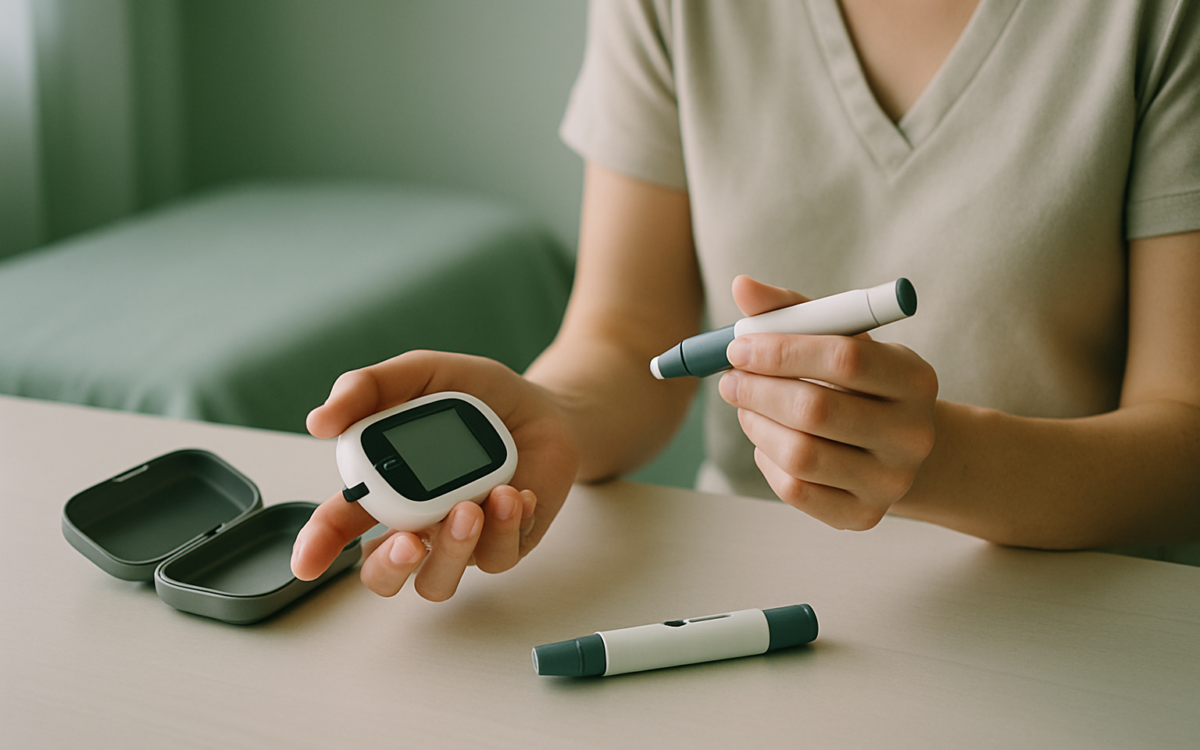
Monitoring blood sugar levels regularly can help people catch any fluctuations early. Continuous glucose monitoring systems and traditional glucose meters are valuable tools for managing diabetes.
Complications of Uncontrolled Diabetes
If not managed properly, both type 1 and type 2 diabetes can lead to serious complications, including:
- Heart disease
- Stroke
- Nerve damage (neuropathy)
- Kidney damage (nephropathy)
- Eye damage (retinopathy)
- Foot problems, which can lead to ulcers and potentially amputation
Staying proactive about management can significantly reduce the risk of these complications.
Preventing Type 2 Diabetes
While type 1 diabetes cannot be prevented, type 2 diabetes can often be prevented or delayed through lifestyle changes. Here are some effective strategies:
- Eating a healthy diet rich in whole foods
- Maintaining a healthy weight
- Engaging in regular physical activity
- Regularly checking blood sugar levels if at risk
- Avoiding tobacco products
When to See a Doctor
If you notice symptoms of diabetes or if you have risk factors that concern you, it’s crucial to consult a healthcare professional. Early diagnosis and treatment can enhance the quality of life and reduce the risk of complications.
Conclusion
Understanding type 1 and type 2 diabetes is essential for anyone affected by these conditions. With appropriate management and lifestyle changes, individuals can lead a healthy life while living with diabetes. Knowledge is power, and by staying informed, we can better address this growing health concern.
