
Type suikerziekte, commonly known as type 2 diabetes, is a chronic condition that affects how your body metabolizes glucose, a vital source of energy. With the increasing prevalence of this disease, understanding its nature, symptoms, management options, and potential complications is more important than ever. This article serves as a comprehensive guide to help you navigate the world of type suikerziekte.
What is Type Suikerziekte?
Type 2 diabetes is characterized by insulin resistance, where the body does not use insulin effectively. In some cases, the pancreas may not produce enough insulin to maintain normal glucose levels. This can lead to elevated blood sugar levels, which may cause long-term complications if not managed properly.
The pancreas produces insulin, a hormone that regulates blood sugar levels. In type 2 diabetes, either the body becomes resistant to insulin or the pancreas can’t keep up with the insulin demand. Over time, this can lead to serious health issues, including heart disease, kidney problems, and nerve damage.
Causes and Risk Factors
Type suikerziekte typically develops due to a combination of genetic and lifestyle factors. Understanding these contributory factors can aid in prevention and management:
- Genetics: Family history of diabetes increases your risk.
- Weight: Obesity is a significant risk factor, as excess fat can cause insulin resistance.
- Physical inactivity: Lack of exercise can contribute to weight gain and insulin resistance.
- Age: The risk of developing type 2 diabetes increases with age, particularly after 45.
- Unhealthy diet: High-sugar and high-fat diets can contribute to obesity and obesity-related diseases.
- Other health conditions: Conditions such as hypertension or high cholesterol can increase your risks.
Being aware of these risk factors can help individuals make healthier lifestyle choices.
Recognizing the Symptoms
Many people with type 2 diabetes may not experience noticeable symptoms in the early stages. However, there are some common symptoms to watch for:
- Increased thirst and frequent urination
- Extreme hunger
- Unexplained weight loss
- Fatigue
- Blurred vision
- Slow-healing sores or frequent infections
Recognizing these symptoms can lead to earlier diagnosis and better management of the condition.
Diagnosis of Type Suikerziekte
Diagnosis usually involves a physical exam and blood tests. Common tests include:
- Fasting blood glucose test: Measures blood sugar levels after fasting for at least 8 hours.
- Random blood glucose test: Measures blood sugar level at any time, regardless of when you last ate.
- HbA1c test: A blood test that indicates average blood sugar levels over the past two to three months.
If you have symptoms of diabetes or risk factors, consult a healthcare provider for screening.
Management and Treatment Options
While type suikerziekte is a chronic condition, it can be managed effectively. Here are common approaches to managing the disease:
Lifestyle Changes
- Healthy eating: A balanced diet rich in fruits, vegetables, whole grains, and lean proteins helps maintain a healthy weight and blood sugar levels.
- Physical activity: Regular exercise can help manage weight and enhance insulin sensitivity.
- Weight management: Losing even a small percentage of body weight can significantly improve blood sugar control.
Medications
If lifestyle changes are not enough, your doctor may prescribe medications to help control blood sugar levels. Common medications include:
- Metformin
- Sulfonylureas
- GLP-1 receptor agonists
It’s essential to work with your healthcare provider to determine the best medications based on your individual health needs.
Monitoring Blood Sugar
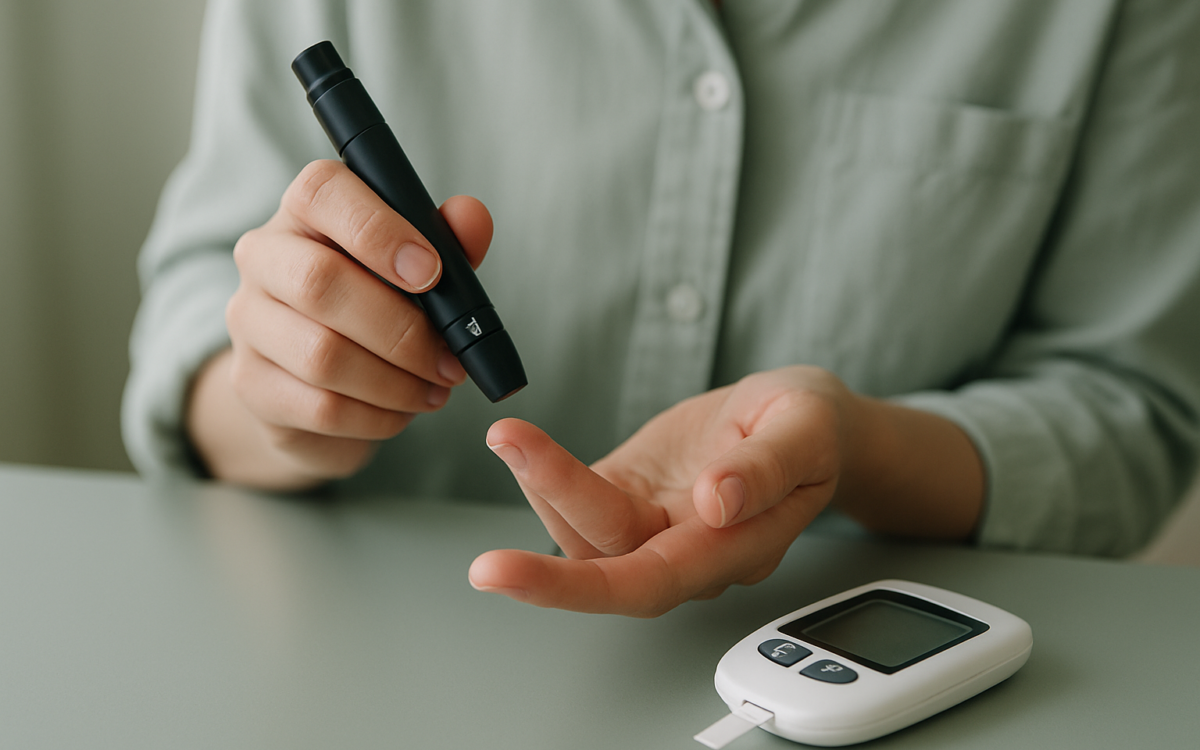
Regular monitoring of blood sugar levels is crucial for managing type 2 diabetes. Keeping track of your blood sugar can help you understand how different foods and activities affect your glucose levels.
Complications of Unmanaged Type Suikerziekte
If type 2 diabetes is left unmanaged, it can lead to several serious health complications. These include:
- Heart disease: Increased risk of heart attack and stroke.
- Nerve damage: Can cause issues like numbness, pain, and digestive problems.
- Kidney damage: Diabetes can lead to kidney failure or serious kidney disease.
- Vision problems: Including diabetic retinopathy, cataracts, and glaucoma.
Understanding these complications underscores the importance of proactive management and regular healthcare check-ups.
When to See a Doctor
It’s essential to consult with a healthcare provider if you experience symptoms of diabetes, have risk factors, or if you’re concerned about your blood sugar levels. Regular check-ups can help monitor your health and prevent complications.
If you are already diagnosed, maintain open communication with your healthcare team. Regular follow-ups and adjustments to your management plan may be necessary as you navigate life with type suikerziekte.
Understanding type suikerziekte is vital for maintaining health and wellbeing. With informed choices, early detection, and effective management, many individuals successfully lead healthy lives.
For more information about managing diabetes, visit the Centers for Disease Control and Prevention, or consult the Mayo Clinic for educational resources and support systems available.
