
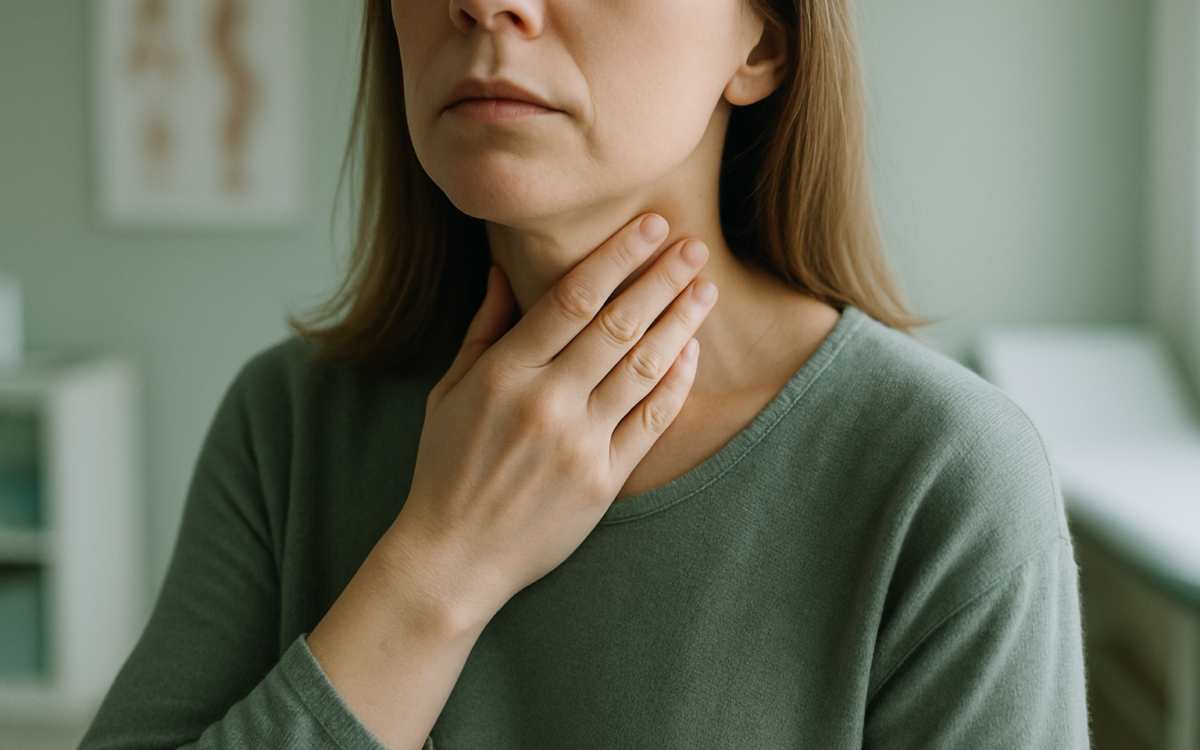
Many women may experience a variety of health changes throughout their lives, and one of the less obvious issues is an underactive thyroid, also known as hypothyroidism. This condition occurs when the thyroid gland does not produce enough hormones to regulate the body’s metabolism effectively. Understanding the symptoms of an underactive thyroid can help women identify potential issues early on and seek appropriate care.
What is Hypothyroidism?
The thyroid is a butterfly-shaped gland located at the base of the neck. It plays a crucial role in regulating several bodily functions by secreting hormones that influence metabolism, energy levels, and overall health. When the thyroid is underactive, it can lead to a variety of symptoms.
Recognizing Common Symptoms
For women, the symptoms of an underactive thyroid may vary widely, ranging from mild to severe. Here are some of the most common signs:
- Fatigue: A pervasive feeling of tiredness that doesn’t improve with rest can be one of the first indicators of an underactive thyroid.
- Weight Gain: Unexplained weight gain, even when maintaining a normal diet and exercise routine, is often reported by women with hypothyroidism.
- Cold Sensitivity: Many women find they are more sensitive to cold temperatures, feeling cold when others are comfortable.
- Hair Changes: Thinning hair or hair loss can occur, as hypoactive thyroid function can affect hair growth.
- Changes in Menstrual Cycle: Women may experience heavier, more prolonged menstrual periods or irregular cycles due to hormonal imbalances.
- Dry Skin: A lack of thyroid hormones can lead to dry, itchy skin, a common concern among affected women.
Impact on Mental Health
An underactive thyroid does not only affect physical health; it can also have profound impacts on mental well-being. Many women report feelings of:
- Depression: Low energy and motivation can contribute to symptoms of depression.
- Anxiety: Some women experience increased anxiety levels as their body struggles to function normally.
- Memory Issues: Cognitive difficulties, sometimes described as “brain fog,” can make it hard to concentrate or remember things.
Link to Hormonal Imbalances
Hypothyroidism often coincides with hormonal imbalances, especially during life stages like pregnancy or menopause. Women are at a higher risk for thyroid issues, particularly those with conditions such as polycystic ovary syndrome (PCOS) or autoimmune disorders. Estrogen and thyroid hormones interact closely; thus, fluctuations can exacerbate symptoms. For more information on how thyroid imbalances affect women specifically, visit the Mayo Clinic.
When Symptoms Overlap with Other Conditions
Given that symptoms of hypothyroidism often overlap with other health conditions, it’s essential to approach them thoughtfully. Conditions such as:
- Diabetes
- Adrenal insufficiency
- Chronic fatigue syndrome
can also cause fatigue and weight gain, making it sometimes difficult to pinpoint hypothyroidism. If you are experiencing several symptoms at once, a careful evaluation by a healthcare professional is vital.
How Is Hypothyroidism Diagnosed?
Diagnosis typically involves a combination of physical examinations and blood tests measuring levels of thyroid-stimulating hormone (TSH) and thyroxine (T4). Elevated TSH levels often indicate that the thyroid is underactive. If you believe you are experiencing symptoms of an underactive thyroid, discussing testing and potential diagnoses with your doctor is a prudent step.
When to See a Doctor
If you notice persistent symptoms like fatigue, weight gain, or mood changes, it’s essential to schedule an appointment with your healthcare provider. Early diagnosis and treatment can significantly improve quality of life. Regular check-ups can help monitor your thyroid health, particularly if you have a family history of thyroid issues or other related medical conditions.
Conclusion
An underactive thyroid can present a range of challenging symptoms that affect many areas of a woman’s life. Being aware of these symptoms is crucial for early detection and management. With appropriate medical care, most women can find effective strategies to manage their condition and improve their overall well-being. For more in-depth information on thyroid health, consider visiting the National Institutes of Health. Your health is important, and understanding these symptoms is the first step toward taking charge of your well-being.
