
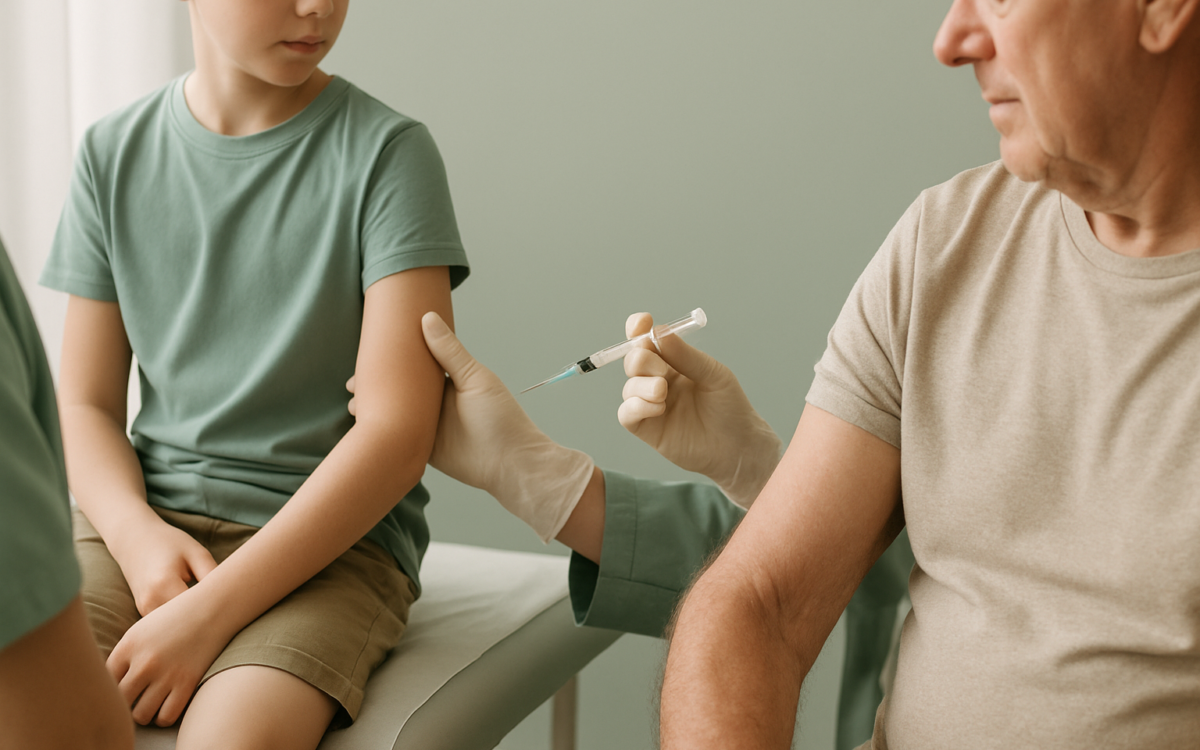
Vaccination is one of the most effective methods for preventing serious diseases throughout our lives. Understanding which vaccines are recommended at different ages can help you and your loved ones lead healthier lives. From newborns to seniors, staying informed about vaccination schedules will empower you to make better health choices.
Vaccines for Infants and Toddlers
The early years of a child’s life set the foundation for a lifetime of health. Vaccines are crucial during this period to protect against several potentially severe diseases.
- Hepatitis B: Administered shortly after birth, the first dose protects against liver infection.
- DTP (Diphtheria, Tetanus, Pertussis): Given at 2, 4, and 6 months, this vaccine protects against three harmful diseases.
- MMR (Measles, Mumps, Rubella): Typically administered between 12-15 months, this vaccine guards against three serious viral infections.
- PCV (Pneumococcal Conjugate Vaccine): Given at 2, 4, 6, and 12-15 months, it protects against pneumonia and other serious infections.
Consult your healthcare provider for a comprehensive immunization schedule through CDC’s guidelines.
Preschool to Preteen Vaccinations
As children grow, they continue to need vaccinations to strengthen their immune systems and provide ongoing protection.
- DTaP Booster: A booster dose is typically given between 4-6 years of age.
- HPV (Human Papillomavirus): Recommended for preteens (11-12 years), this vaccine helps prevent several types of cancers.
- Meningococcal Conjugate Vaccine: Administered around 11-12 years, this vaccine protects against meningitis.
- Tdap Booster: This booster is given at 11-12 years to protect against tetanus, diphtheria, and pertussis.
These vaccinations ensure that children are prepared to face adolescence and beyond. For more details, visit the National Institutes of Health.
Vaccination in Teen Years
The teenage years are critical for personal health and development. Vaccinations continue to play an important role during this stage.
- HPV Vaccine: If not received earlier, it can be given up until 26 years of age for both males and females.
- Meningococcal B Vaccine: A vaccine for enhanced protection against certain strains of meningitis.
- Flu Vaccine: Recommended annually, starting at 6 months and continuing through adulthood.
It is essential for teens to stay on track with their vaccinations, especially before entering college or starting careers. You can read more about this on the CDC website.
Vaccinations for Adults
Vaccination does not stop in adolescence. Adults need to keep their vaccinations current for ongoing protection against various diseases.
- Flu Vaccine: An annual vaccination is recommended for everyone, especially vulnerable populations.
- Tdap Booster: After the initial series, adults should get a booster every 10 years.
- Shingles Vaccine: Recommended for adults aged 50 and older to prevent shingles and its complications.
- Pneumococcal Vaccine: Recommended for those 65 and older and for younger adults with certain health conditions.
It’s also essential to consult your healthcare provider about vaccinations when traveling internationally. For further guidelines, you can visit the Mayo Clinic.
Vaccination for Seniors
Seniors have unique health needs, and certain vaccinations become increasingly important as we age.
- Flu Vaccine: An annual dose is essential as seniors are at higher risk for complications from the flu.
- Pneumococcal Vaccines: Protects against pneumonia, with specific vaccines recommended after 65.
- Shingles Vaccine: Offers protection against shingles, which can cause severe pain.
- Tdap Booster: Continuing vaccination helps prevent pertussis, which can be serious for older adults.
Being proactive about vaccinations can greatly influence the quality of life as we grow older. More information is available through the CDC.
When to See a Doctor
If you have questions about your vaccination schedule or if you missed any vaccines, consult your healthcare provider. It’s important to address any concerns or conditions that may affect your ability to be vaccinated.
Getting vaccinated is a lifelong commitment to your health and the health of those around you. Keeping your vaccination status up-to-date is crucial for effective disease prevention at every stage of life.
