
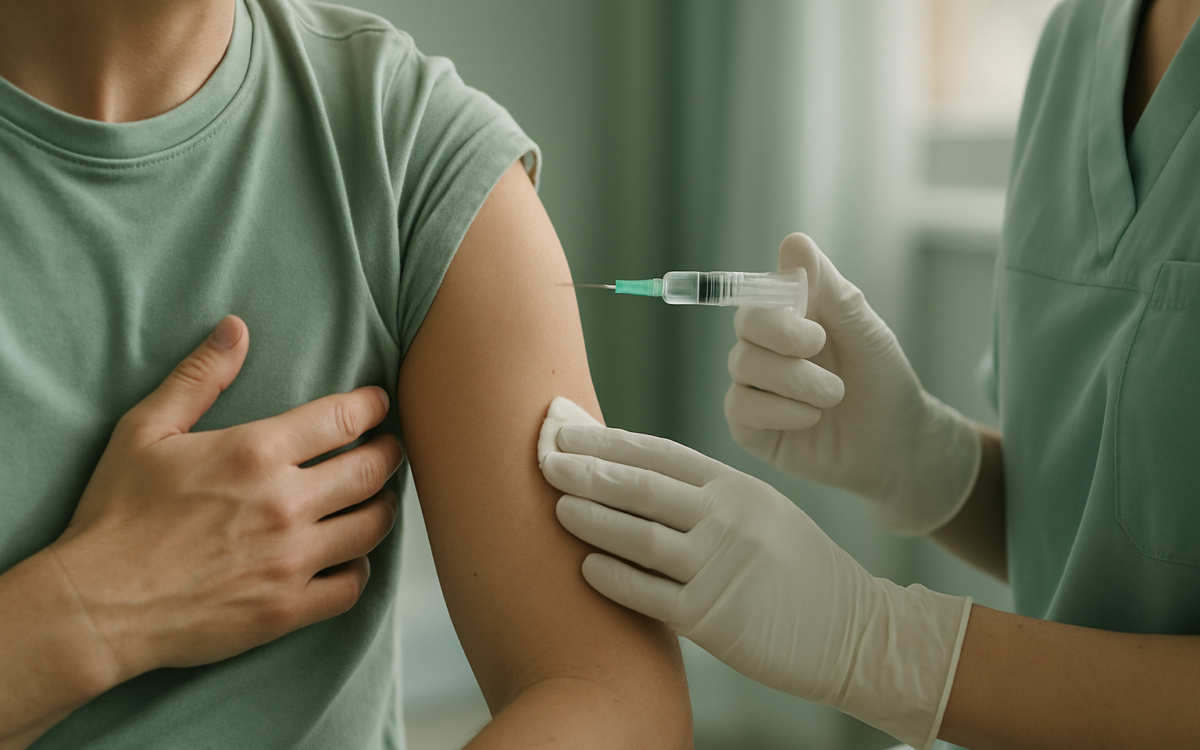
In today’s world, vaccines play a crucial role in keeping us healthy and preventing the spread of infectious diseases. Understanding vaccine regimens can empower you to make informed choices about your health and the health of your loved ones. Whether for you, your children, or other family members, knowing the importance and timing of vaccines helps safeguard your community.
What is a vaccine regimen?
A vaccine regimen is a schedule that outlines the series of vaccinations an individual should receive over a specific period. Vaccines work by training the immune system to recognize and fight off pathogens, such as viruses and bacteria. Each regimen includes recommended vaccines based on various factors, including age, health status, and potential exposure to diseases.
Why are vaccine regimens important?
Vaccine regimens are vital for several reasons:
- Preventing Disease: Many diseases can be prevented through vaccination, reducing the chances of outbreaks.
- Herd Immunity: When a significant portion of the population is vaccinated, it helps protect those who cannot be vaccinated, such as individuals with certain medical conditions.
- Global Health: Vaccination programs contribute to the global eradication of diseases like smallpox and the significant reduction of others, such as polio.
Types of vaccines in a regimen
There are several types of vaccines included in regimens, categorized by how they are made:
Live Attenuated Vaccines
These vaccines use a weakened form of the germ that causes the disease. Examples include measles, mumps, rubella (MMR) and the yellow fever vaccine.
Inactivated Vaccines
These vaccines contain killed germs. The flu vaccine and the hepatitis A vaccine are examples.
Subunit, Recombinant, and Conjugate Vaccines
These vaccines use pieces of the germ, such as proteins or sugars, to trigger an immune response. The human papillomavirus (HPV) vaccine and the meningococcal vaccine are included in this category.
Messenger RNA (mRNA) Vaccines
These newer vaccines use genetic material to instruct cells to produce a protein that triggers an immune response. The Pfizer-BioNTech and Moderna COVID-19 vaccines fall into this category.
Recommended vaccine schedules
Vaccine schedules can vary based on your age and unique health circumstances. Here’s a general overview of the recommended vaccination schedules:
Infants and Young Children
Infants typically receive their first vaccines at 2 months of age. Key vaccines include:
- Diphtheria, tetanus, and pertussis (DTaP)
- Haemophilus influenzae type b (Hib)
- Pneumococcal conjugate vaccine (PCV13)
- Polio (IPV)
- Measles, mumps, rubella (MMR) at 12-15 months
Adolescents
Vaccination continues as children grow into adolescents, with recommended vaccines including:
- Tdap (tetanus, diphtheria, and pertussis)
- HPV vaccine series starting at ages 11-12
- Meningococcal conjugate vaccine
Adults
Vaccines remain essential throughout adulthood. Recommended vaccines include:
- Annual flu vaccine
- Tdap every 10 years
- Shingles vaccine for adults over 50
- Pneumococcal vaccine for seniors
Staying on track with your vaccine regimen
Adhering to the recommended vaccine schedule can be challenging. Here are some tips to help you stay on track:
- Keep Records: Maintain an updated vaccination record to know what you or your family members have received and what is upcoming.
- Set Reminders: Use phone alerts or calendar reminders to schedule vaccine appointments.
- Consult Healthcare Providers: Regular visits to healthcare professionals can help keep vaccination status up to date, especially for adolescents and adults.
Common misconceptions about vaccines
Despite the overwhelming evidence supporting vaccine safety and effectiveness, several misconceptions persist. Addressing these misconceptions can help foster a more informed public:
Vaccines cause autism
This myth has been debunked by numerous studies, including a comprehensive review by the CDC which found no link between vaccines and autism.
Natural immunity is better
While natural immunity can be strong, it can also come with severe consequences, including hospitalization and death from preventable diseases. Vaccines provide a safe way to build immunity.
Vaccines contain harmful ingredients
Many parents worry about ingredients in vaccines, but research shows that the amounts are safe and necessary for vaccine effectiveness. The World Health Organization provides detailed information on vaccine ingredients.
When to see a doctor
It is essential to consult a healthcare professional if:
- You are unsure of your vaccination history.
- You have questions about vaccines and their schedule.
- You or your child experience a severe reaction after a vaccination, such as high fever or difficulty breathing.
Conclusion
Understanding vaccine regimens is crucial to public health. By following the recommended vaccination schedules, you not only protect yourself but also those around you. Staying informed and actively involved in your health choices can significantly contribute to a healthier future for everyone.
