
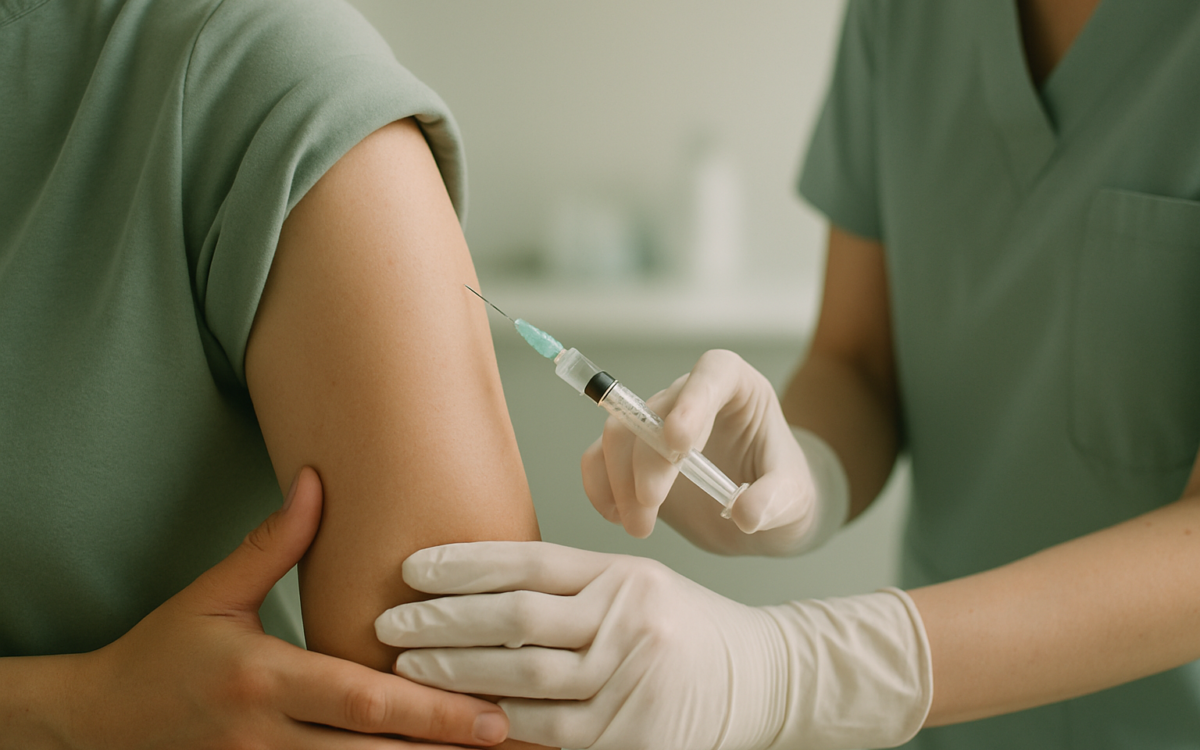
Vaccine shots are a key component of public health, protecting individuals and communities from serious diseases. These shots work by training our immune systems to recognize and fight off harmful pathogens, such as viruses and bacteria. Understanding how vaccine shots function and the benefits they provide can help you make informed decisions about your health and well-being.
How Vaccine Shots Work
Vaccine shots contain antigens, which are parts of the pathogens that cause disease. When a vaccine is administered, your immune system responds by producing antibodies that provide protection against the actual disease. This process is called immunization. There are several types of vaccines available, including:
- Inactivated vaccines: Contain killed versions of the pathogen (e.g., polio vaccine).
- Live attenuated vaccines: Use weakened forms of the virus (e.g., measles, mumps, rubella (MMR) vaccine).
- Subunit, recombinant, and conjugate vaccines: Use specific pieces of the pathogen (e.g., HPV vaccine).
- mRNA vaccines: Teach cells to make a protein that triggers an immune response (e.g., Pfizer-BioNTech and Moderna COVID-19 vaccines).
The Importance of Vaccination
Vaccination is crucial for preventing outbreaks of infectious diseases. When a large percentage of the population is vaccinated, herd immunity develops. This means that even those who cannot receive vaccines—such as infants, elderly, or immunocompromised individuals—are indirectly protected, as the spread of the disease is minimized. For instance, the CDC emphasizes that high vaccination coverage is critical for controlling diseases like measles and whooping cough.
Common Concerns About Vaccine Shots
Despite the overwhelming evidence supporting vaccine safety, many people still have concerns. Common worries include:
- Side effects: Most side effects of vaccinations are mild and temporary, including soreness at the injection site, low-grade fever, or fatigue.
- Autism: Extensive research has shown no causal link between vaccines and autism spectrum disorders. The original study suggesting otherwise has been thoroughly debunked and retracted.
- Long-term effects: Monitoring systems are in place to track vaccine safety long after they are approved, ensuring any potential issues are addressed promptly.
The World Health Organization outlines the rigorous processes that vaccines undergo, from research and testing to post-licensure monitoring.
Vaccination Schedules and Recommendations
It is essential to follow vaccination schedules recommended by health authorities. The CDC provides detailed guidelines for vaccine timing based on age and specific health conditions. Starting vaccinations early in life not only protects children but also sets the foundation for ongoing health throughout adulthood. Adults are encouraged to keep their vaccinations up to date, which may include boosters for tetanus and diphtheria every ten years and seasonal flu shots.
Misinformation and Vaccine Advocacy
In today’s digital age, misinformation can spread quickly, leading to confusion about vaccine shots. It’s essential to rely on trustworthy sources for accurate information. Public health organizations, healthcare professionals, and reputable educational platforms provide evidence-based content about vaccines. Advocating for vaccination within your community helps foster awareness and combat misinformation.
Staying Informed and Connected
Staying informed about vaccine shots is essential for making decisions that affect your health and the health of those around you. Consider having discussions with your healthcare provider about any concerns you may have regarding vaccinations. They can offer personalized insights based on your health history and current guidelines. Additionally, various community resources are available to help you stay up to date on immunization schedules and local vaccination campaigns.
Engaging in community outreach can also assist with spreading awareness about the importance of vaccination. Whether through talks at local schools, health fairs, or social media, your efforts can help encourage others to take proactive steps towards immunization.
When to See a Doctor
If you have questions or concerns about vaccines, or if you experience unusual side effects after receiving a vaccine shot, it’s wise to contact your healthcare provider. They can help address your concerns and provide guidance based on the latest vaccine safety information.
In conclusion, vaccine shots play a vital role in promoting health and preventing diseases across populations. By understanding how vaccines work, their benefits, and addressing the common concerns people have, you can take an active role in protecting your health and the health of your community. Staying informed and getting vaccinated not only safeguards you but also contributes to a healthier future for everyone. Be sure to speak with your healthcare provider about your vaccination needs and stay updated on the schedules recommended for you and your family.
