
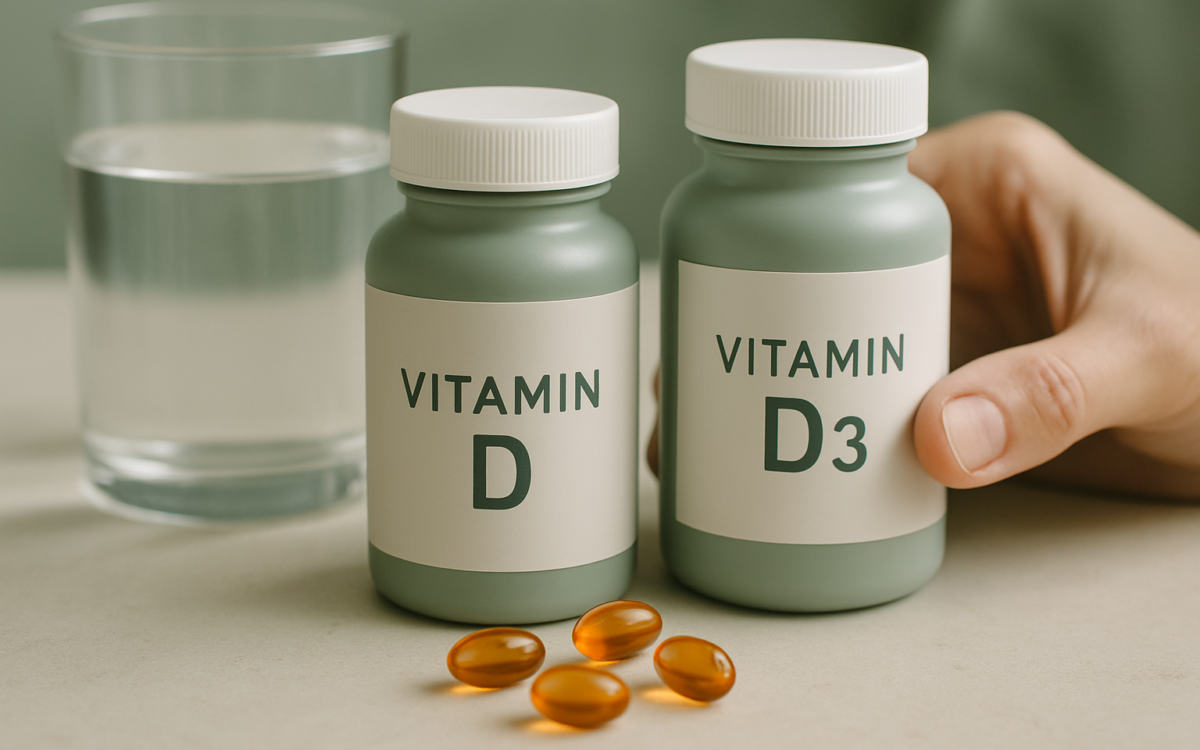
Have you ever wondered about Vitamin D and its forms? You’re not alone! Vitamin D plays a crucial role in maintaining our overall health, but not everyone knows that it comes in different types, including Vitamin D (often referred to as D2) and Vitamin D3. In this article, we’ll explore the distinctions between Vitamin D and D3, their benefits, sources, and how they affect our health.
What is Vitamin D?
Vitamin D is a fat-soluble vitamin that helps our bodies absorb calcium, essential for bone health and immune function. It comes in two primary forms: Vitamin D2 (ergocalciferol) and Vitamin D3 (cholecalciferol). While both types are effective in raising blood levels of Vitamin D, they differ in sources, effectiveness, and the way our bodies use them.
Vitamin D vs. Vitamin D3: Key Differences
1. Sources: Vitamin D2 is primarily sourced from fungi and yeast, while Vitamin D3 is derived from animal sources, such as fish liver oil, egg yolks, and, most notably, sunlight. Our bodies produce D3 naturally when skin is exposed to UVB rays from the sun, making it a vital component of our health.
2. Effectiveness: Research suggests that Vitamin D3 may be more effective than D2 in raising and maintaining optimal levels of Vitamin D in the bloodstream. This is largely because D3 is more bioavailable, meaning it’s easier for the body to use. Studies indicate that D3 may lead to higher blood levels and longer-lasting effects than D2 when taken as a supplement (NIH).
Health Benefits of Vitamin D and D3
Both Vitamin D and D3 provide several health benefits, including:
- Bone health: Vitamin D promotes calcium absorption, which is essential for strong bones. Insufficient vitamin D can lead to bone disorders like osteoporosis and rickets.
- Immune system support: Vitamin D plays a significant role in regulating the immune system, helping protect against infections and autoimmune diseases.
- Mood regulation: Some studies suggest that adequate levels of Vitamin D may support mental health and reduce symptoms of depression.
- Improved muscle function: Vitamin D has been linked to muscle strength, which is crucial for overall mobility and preventing falls, especially in older adults.
How to Get Enough Vitamin D
To ensure you’re getting enough Vitamin D, you can:
- Sunlight exposure: Aim for 10-30 minutes of sunlight exposure several times a week, depending on your skin type, location, and the time of year.
- Diet: Incorporate food sources rich in Vitamin D and D3, such as fatty fish (salmon, mackerel), fortified dairy products, and egg yolks.
- Supplements: If you’re unable to get enough Vitamin D from sunlight or food, consider taking supplements. Vitamin D3 is often recommended due to its higher efficacy, but consult your doctor for specific dosages.
International Treatment Perspectives
In different parts of the world, access to Vitamin D and D3 varies significantly. For instance, people living in areas with limited sunshine may be more prone to deficiencies. Countries with extensive healthcare options may also provide testing and supplementation programs for Vitamin D. If you’re considering international treatments or assessments for Vitamin D levels, check out international patient services that may offer specialized care.
When to See a Doctor
If you suspect a Vitamin D deficiency, experience symptoms such as frequent infections, fatigue, or bone pain, it’s a good idea to consult with a healthcare professional. A blood test can measure your Vitamin D levels and help determine the appropriate course of action, whether it be dietary changes, supplementation, or further investigation.
Conclusion
Understanding the differences between Vitamin D and D3 can help you make informed choices about your health. Both forms are essential, but D3 has certain advantages in terms of absorption and effectiveness. By incorporating sources of Vitamin D into your diet, getting adequate sunlight, and consulting with a healthcare professional when needed, you can support your overall well-being.
