
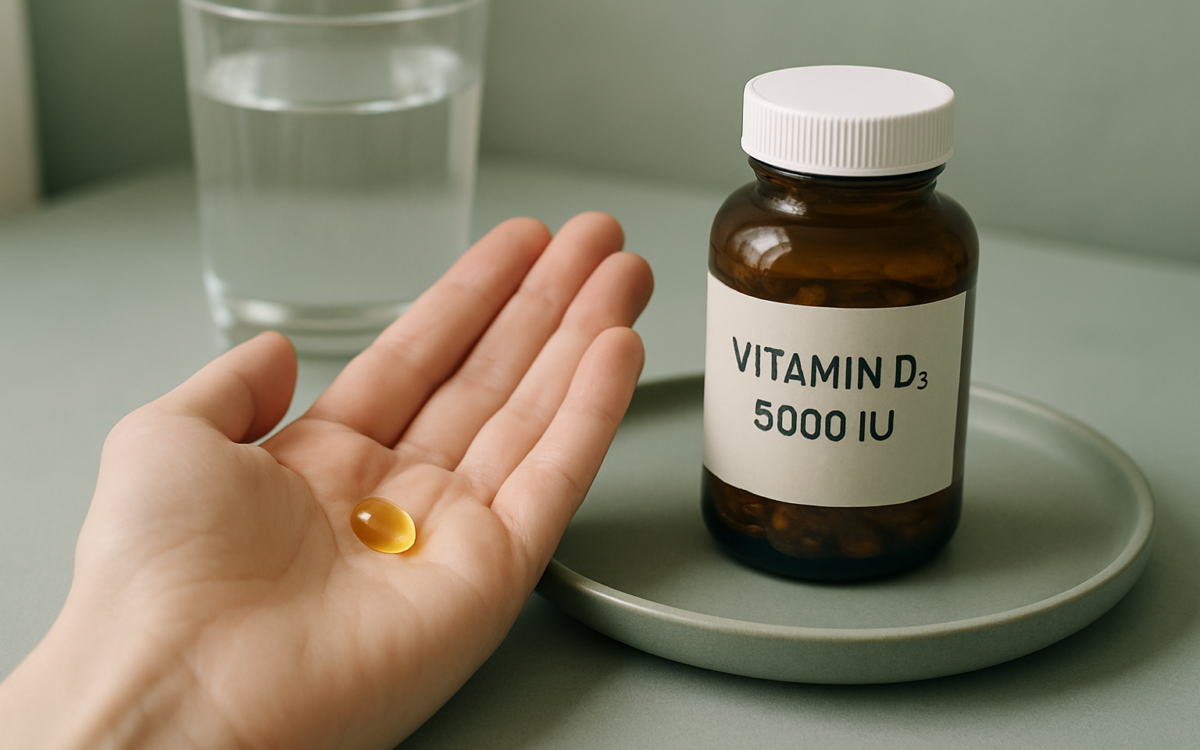
Vitamin D is often called the sunshine vitamin because our bodies produce it in response to sunlight. However, many people suffer from deficiencies, especially those living in less sunny climates or with limited outdoor exposure. For these individuals, vitamin D3—particularly at a dosage of 5000 IU—can offer significant health benefits. In this article, we will explore what vitamin D3 is, its potential advantages, how to get it, and considerations for using supplements effectively.
What is Vitamin D3?
Vitamin D comes in two main forms: D2 (ergocalciferol) and D3 (cholecalciferol). D3 is the form that your body produces when exposed to sunlight and is often believed to be more effective in raising vitamin D levels in the blood. It plays a vital role in calcium metabolism, immune function, and overall bone health.
Health Benefits of Vitamin D3
Studies have shown that maintaining adequate vitamin D levels can benefit your health in various ways:
- Bone Health: Vitamin D3 helps the body absorb calcium, which is essential for bone development. Insufficient levels can lead to brittle bone disease.
- Immune System Support: Adequate vitamin D levels may help boost immune response, especially in fighting off infections.
- Mood Regulation: Some studies suggest a link between low vitamin D levels and mood disorders, indicating that Vitamin D3 may help improve mood and combat depression.
- Cardiovascular Health: Research offers clues that vitamin D can play a role in heart health, though more studies are needed to fully understand this connection.
Why Consider 5000 IU Supplements?
Recommendations for vitamin D intake can vary widely. The National Institutes of Health (NIH) suggests a daily allowance of 600 IU for adults, increasing to 800 IU for those over 70. However, some experts believe that higher doses, like 5000 IU, can be more beneficial, especially for individuals at higher risk for deficiencies.
This includes those with limited sun exposure, darker skin tones, certain medical conditions, and elderly individuals. Supplements allow you to achieve optimal vitamin D levels without having to drastically change your lifestyle.
Natural Sources of Vitamin D3
While supplements are an effective way to increase your vitamin D intake, it’s beneficial to incorporate natural food sources as well. Here are some options:
- Fatty Fish: Fish such as salmon, mackerel, and sardines are excellent sources.
- Egg Yolks: Eggs contain small amounts of vitamin D. Including them in your diet can help boost levels.
- Mushrooms: Certain mushrooms provide vitamin D when exposed to UV light, similar to human skin.
- Fortified Foods: Many dairy products and cereals are fortified with vitamin D, making them a great addition to your diet.
Safety and Dosage Considerations
While vitamin D is essential for health, like anything, too much can be harmful. Generally, the upper limit for adults is set at 4000 IU per day, but some people may safely take higher doses under medical supervision.
Symptoms of vitamin D toxicity may include nausea, vomiting, weakness, and serious complications like kidney damage. It’s important not to exceed the recommended dose without consulting a healthcare professional.
If you’re considering a vitamin D3 supplement, particularly at higher doses like 5000 IU, it’s a good idea to have your vitamin D levels tested first. This can help guide your supplementation and ensure you’re taking an appropriate dosage.
For those who might ask whether they should consider international perspectives, healthcare facilities like Acibadem International offer a range of treatment options and can provide valuable insights regarding vitamin D supplementation tailored to different public health guidelines.
When to See a Doctor
If you suspect that you have a vitamin D deficiency or are experiencing symptoms such as bone pain, fatigue, or frequent infections, it may be time to consult a healthcare provider. They can perform blood tests to reveal your current levels and recommend a supplementation plan that fits your needs.
Conclusion
Vitamin D3 at a dosage of 5000 IU can offer various health benefits, especially for individuals with a high risk of deficiency. As with any supplement, it’s essential to seek professional guidance to ensure safety and effectiveness. Understanding your body’s needs and making informed choices will help you maintain good health for years to come!
