
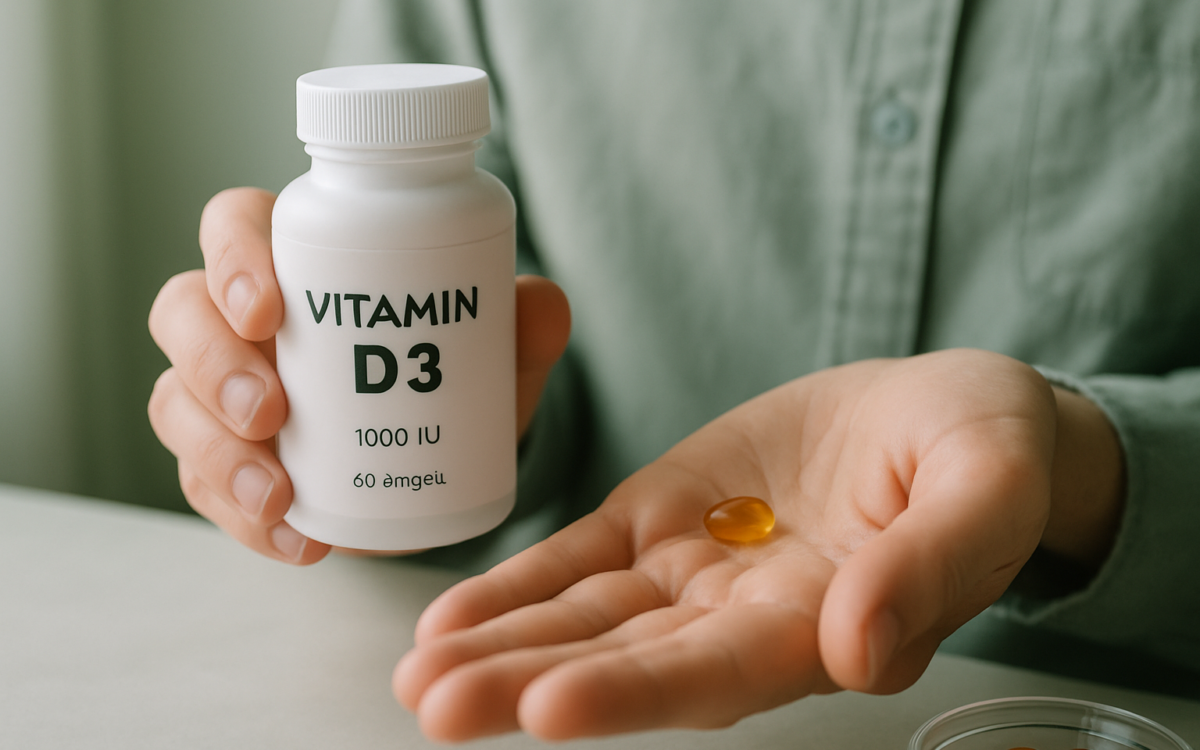
Vitamin D3, often referred to as the sunshine vitamin, plays a crucial role in maintaining our health. Unlike many other vitamins, our bodies can produce Vitamin D3 when our skin is exposed to sunlight. However, many individuals find themselves lacking this essential nutrient, especially in areas with limited sunlight. Understanding Vitamin D3, its sources, benefits, and signs of deficiency is vital for everyone looking to enhance their well-being.
What is Vitamin D3?
Vitamin D3, or cholecalciferol, is one of the two main forms of Vitamin D. The other form, Vitamin D2 (ergocalciferol), comes from plant sources. While both types are important, Vitamin D3 is considered more effective at raising and maintaining adequate levels of Vitamin D in the body. This nutrient is vital for numerous bodily functions, especially for bone health, immune support, and general wellbeing.
How Does Vitamin D3 Work?
Once your body produces Vitamin D3 or you obtain it from food and supplements, it gets converted into its active form in the liver and kidneys. This active form helps regulate calcium and phosphorus levels in your blood, contributing to strong bones. Vitamin D3 also plays a role in modulating cell growth, supporting the immune system, and reducing inflammation.
Natural Sources of Vitamin D3
While sunlight is a primary source for Vitamin D3, various foods and supplements can also provide this vital nutrient:
- Fatty Fish: Salmon, mackerel, and sardines are rich in Vitamin D3.
- Cod Liver Oil: This oil is a concentrated source of Vitamin D3.
- Egg Yolks: Whole eggs contain small amounts of Vitamin D3.
- Mushrooms: Specifically, wild mushrooms exposed to sunlight can produce Vitamin D2 and some D3.
- Fortified Foods: Many dairy products, orange juices, and cereals are fortified with Vitamin D.
Benefits of Vitamin D3 for Your Health
Vitamin D3 offers a multitude of health benefits:
Bone Health
Vitamin D3 is crucial for calcium absorption in the gut, which is essential for maintaining strong bones and teeth. A deficiency can lead to brittle bones, increasing the risk of fractures and conditions like osteoporosis.
Immune System Support
Recent studies suggest that adequate levels of Vitamin D3 play a role in supporting the immune system, potentially helping to defend against infections and chronic diseases. Some research indicates that low Vitamin D levels may increase the risk of respiratory infections.
Mood Regulation
Vitamin D3 may also influence mood and mental health. Some studies have linked low Vitamin D levels with an increased risk of depression and anxiety.
Heart Health
Emerging evidence suggests that Vitamin D may support heart health by influencing blood pressure regulation and reducing inflammation in the cardiovascular system.
Signs of Vitamin D3 Deficiency
The signs and symptoms of Vitamin D3 deficiency can be subtle but significant. Common indicators include:
- Fatigue or general weakness
- Bone pain or muscle weakness
- Frequent illnesses or infections
- Depression or mood changes
- Delayed wound healing
If you suspect you may be deficient in Vitamin D3, consider consulting a healthcare provider for a blood test and tailored advice.
Getting Enough Vitamin D3
To maintain adequate Vitamin D3 levels, consider the following tips:
- Sun Exposure: Aim for 10-30 minutes of sunlight several times a week. However, this varies depending on skin tone, geographical location, and time of year.
- Diet: Include Vitamin D-rich foods in your diet, especially if you have limited sun exposure.
- Supplements: If necessary, consider Vitamin D3 supplements after consulting with a healthcare provider.
It’s important to balance sun exposure to reap the benefits of Vitamin D without risking skin damage.
When to See a Doctor
If you’re experiencing symptoms of Vitamin D deficiency or have concerns about your Vitamin D levels, consult your healthcare provider. They can perform blood tests to determine your Vitamin D status and recommend appropriate interventions.
In conclusion, Vitamin D3 is a vital nutrient that contributes to many aspects of our health. By understanding its sources, benefits, and signs of deficiency, you can take meaningful steps toward ensuring optimal health and well-being. Remember, always consult your healthcare provider before making significant changes to your diet or supplement regimen.
