
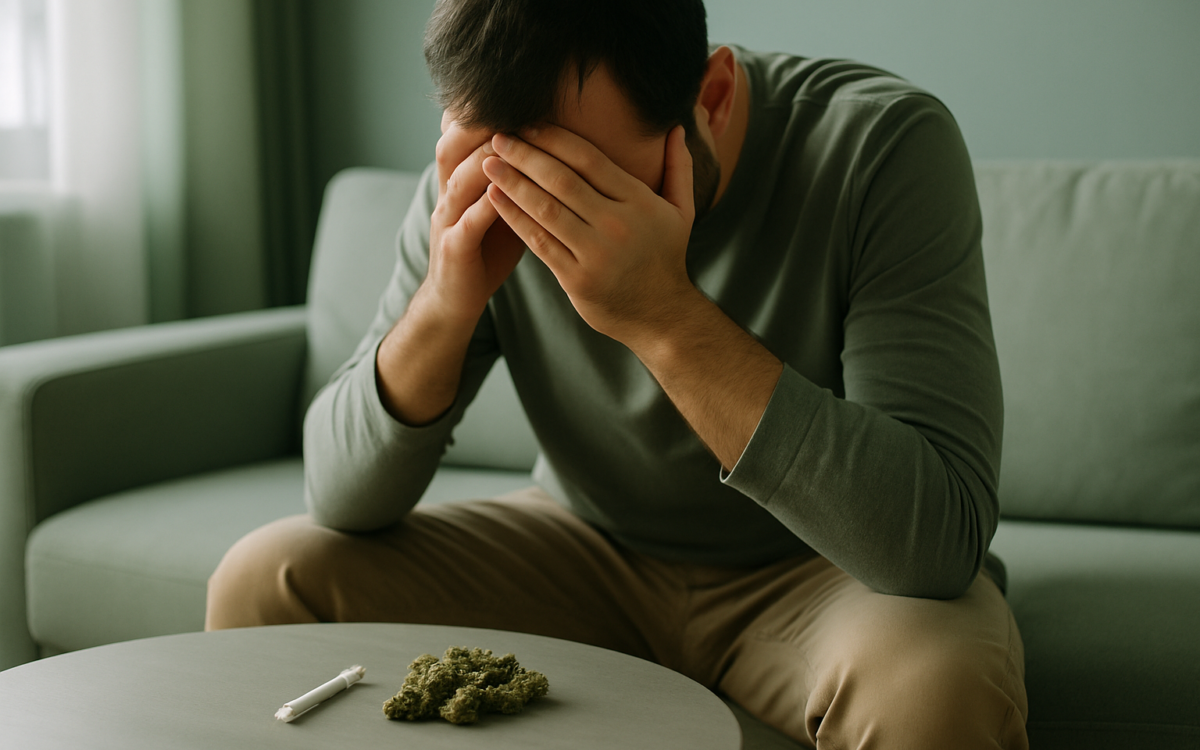
For many users, cannabis is a familiar part of life, offering relaxation and relief from various conditions. However, when it’s time to cut back or quit, some individuals may experience withdrawal symptoms. Understanding these symptoms and the ways to manage them can help ease the transition.
What are weed withdrawal symptoms?
Weed withdrawal symptoms occur when a person who regularly uses cannabis stops or significantly reduces their intake. While not everyone will experience withdrawal, those who do might face a range of symptoms. Common symptoms include:
- Anxiety: Heightened feelings of worry or nervousness.
- Insomnia: Difficulty falling asleep or staying asleep.
- Loss of appetite: Reduced desire to eat, which can lead to weight loss.
- Irritability: Increased mood swings or frustration.
- Depression: Feelings of sadness or hopelessness.
- Physical discomfort: Headaches, nausea, or stomach pains.
These symptoms can vary in intensity and duration, depending on factors like usage patterns, individual differences, and overall mental health.
Why do these symptoms occur?
The primary psychoactive component of cannabis, THC (tetrahydrocannabinol), interacts with the brain’s endocannabinoid system. Regular use can alter brain chemistry, leading to dependence. When cannabis is suddenly removed, the body may react negatively as it readjusts to functioning without THC. This change can disrupt mood and appetite, often resulting in the withdrawal symptoms listed above.
Timeline of withdrawal symptoms
For those experiencing weed withdrawal, the symptoms may manifest at different stages after cessation:
- 1-2 days: Symptoms typically begin within 1-2 days after last use, often starting with anxiety and irritability.
- 3-7 days: During this period, symptoms may peak. Sleep disturbances and loss of appetite are common.
- 1-2 weeks: Withdrawal symptoms often begin to subside. However, some users may feel lingering mood changes.
- Beyond 2 weeks: While most acute symptoms fade, some individuals report psychological cravings or mood fluctuations for weeks or months.
Understanding this timeline can prepare individuals for what to expect as they navigate the withdrawal process.
Strategies for coping with withdrawal symptoms
Managing weed withdrawal symptoms can be challenging, but several strategies may help ease the transition:
Stay active
Exercise is a powerful tool for improving mood and reducing anxiety. Regular physical activity releases endorphins, which can counteract feelings of depression and irritability. Try to engage in activities you enjoy, whether it’s walking, dancing, or playing sports.
Healthy eating
Eating well is essential during withdrawal. Focus on balanced meals rich in fruits, vegetables, whole grains, and lean proteins. Staying hydrated is also important, as dehydration can worsen withdrawal symptoms and affect mood.
Practice mindfulness
Mindfulness practices, like meditation and yoga, can help manage anxiety and promote emotional balance. Consider incorporating deep breathing exercises or guided meditations into your routine.
Stay connected
Connecting with friends, family, or support groups can be beneficial during withdrawal. Sharing experiences and feelings with others who understand can reduce feelings of isolation and improve emotional resilience. If you’re considering international treatment, resources like acibademinternational.com can provide access to specialized care.
Potential medical treatment options
For some individuals, medication may help manage withdrawal symptoms during recovery. While there are currently no FDA-approved medications for cannabis withdrawal, research in this area is ongoing. Options might include:
- Antidepressants: These can help address symptoms of depression and anxiety.
- Sleep aids: Over-the-counter or prescription medications may assist with insomnia.
- Supportive therapies: Behavioral therapies can provide additional strategies and support for those dealing with withdrawal symptoms.
Always consult with a healthcare professional to explore personalized treatment options based on individual needs.
When to see a doctor
If weed withdrawal symptoms become unbearable or significantly interfere with daily life, it’s essential to seek medical assistance. A healthcare provider can offer guidance and support tailored to your situation. Signs that you should see a doctor include:
- Persistent feelings of depression or anxiety.
- Thoughts of self-harm or suicide.
- Inability to perform everyday tasks.
If you’re considering quitting cannabis, consulting a healthcare professional can help develop a safe and effective plan.
Conclusion
Understanding weed withdrawal symptoms can empower individuals on their journey to recovery. While the process can present challenges, with the right strategies and support, it is possible to manage withdrawal effectively. Whether opting for therapy, lifestyle changes, or seeking professional help, remember you are not alone in this journey.
