
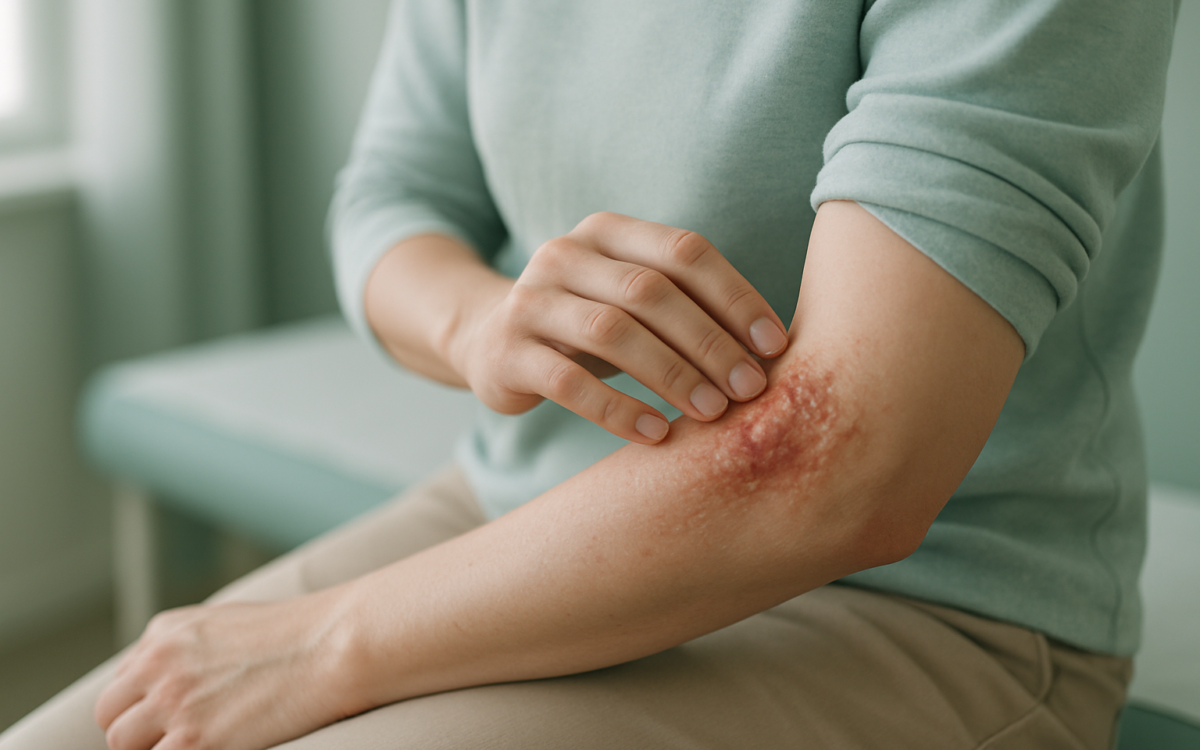
Weeping eczema, also known as weeping dermatitis or exudative eczema, is a skin condition that can cause discomfort and distress. It typically appears as red, inflamed patches that ooze fluid, especially when scratched. Many people may find themselves perplexed when dealing with this form of eczema, as it can be challenging to pinpoint its origins and decide the best course of action. In this article, we explore what weeping eczema is, its causes, symptoms, treatments, and ways to manage the condition.
What Is Weeping Eczema?
Eczema encompasses several forms of skin inflammation, with weeping eczema being one of the most acute manifestations. This condition is marked by skin lesions that are both inflamed and oozing, often caused by secondary infections from bacteria or fungi when the skin’s protective barrier is compromised. The lesions can produce serous fluid, leading to crusting and can be extremely itchy.
Common Causes of Weeping Eczema
Various factors can trigger or exacerbate weeping eczema. Understanding them is crucial for effective management. Here are some common causes:
- Allergens: Substances such as pollen, pet dander, or certain foods can provoke an allergic response, worsening eczema symptoms.
- Irritants: Exposure to harsh soaps, detergents, or certain fabrics may irritate the skin, leading to inflammation and weeping.
- Dry Skin: When your skin lacks moisture, it can become more vulnerable to irritation and flare-ups.
- Microbial Infection: Infections from bacteria, viruses, or fungi can exacerbate symptoms and trigger weeping, making it essential to maintain skin hygiene.
- Stress: Emotional stress can influence the severity of eczema symptoms by triggering inflammation in the body.
Identifying Symptoms
Weeping eczema presents specific signs that help differentiate it from other skin conditions. Common symptoms include:
- Red, swollen patches of skin
- Fluid-filled blisters that ooze and crust
- Intense itching or burning sensation
- Dry, scaly skin in surrounding areas
- Potential secondary infections, which may show as additional redness or pus
Effective Treatments for Weeping Eczema
Managing weeping eczema often requires a multifaceted approach. It’s essential to understand that while treatments might alleviate symptoms, weeping eczema can be recurrent. Here are some treatment options:
Topical Treatments
Doctors frequently recommend topical steroids to reduce inflammation and control symptoms. These should only be used under medical supervision to prevent side effects like skin thinning. Additionally, barrier repair creams may maintain skin hydration and protect against irritants.
Wet Wrap Therapy
If the eczema is severely inflamed, wet wrap therapy can be beneficial. This method involves applying topical medications to the affected area, followed by damp clothing or dressings. The moisture helps calm the inflammation and allows for better absorption of medication.
Oral Medications
For severe cases, healthcare providers might prescribe systemic medications like corticosteroids or immunosuppressants. These help in reducing overall inflammation but come with risks requiring careful management and monitoring.
Antihistamines
While antihistamines don’t treat eczema directly, they may reduce itching at night, helping to minimize scratching and further skin damage.
Phototherapy
For persistent cases, phototherapy (light therapy) may be recommended. This treatment helps to decrease inflammation and itching through controlled exposure to ultraviolet light.
Managing Weeping Eczema in Daily Life
Alongside medical treatments, lifestyle changes can significantly impact the management of weeping eczema. Here are some tips to consider:
- Moisturize Regularly: Keeping the skin moisturized is key. Use fragrance-free and hypoallergenic creams and ointments multiple times a day to restore the skin barrier.
- Avoid Triggers: Identify and avoid known irritants. This may involve changing laundry detergents, avoiding certain fabrics, and staying away from allergens.
- Wear Protective Clothing: Soft, breathable fabrics can minimize irritation. Consider protective clothing during sports or outdoor activities.
- Practice Stress Management: Incorporating stress-relief techniques such as meditation, yoga, or therapy can reduce flare-ups.
- Maintain a Healthy Environment: Regularly clean living areas, use air purifiers, and control humidity to reduce allergens.
When to See a Doctor
If you suspect you have weeping eczema or if you struggle to manage symptoms, consulting a healthcare provider is crucial. It’s important to seek medical attention if:
- Your symptoms worsen or do not improve with over-the-counter treatments.
- The affected area shows signs of infection, such as increased redness, swelling, or pus.
- You experience significant discomfort or distress from the condition.
- Your eczema disrupts daily activities or sleep.
Conclusion
Weeping eczema can feel overwhelming, but you’re not alone in managing this condition. By understanding the causes and symptoms, along with available treatments and self-care strategies, you can better navigate your health journey. Always consult with a healthcare professional for an accurate diagnosis and tailored treatment plan.
For more information, you can visit the National Institutes of Health and the Mayo Clinic to educate yourself further on skin conditions and available management strategies.
