
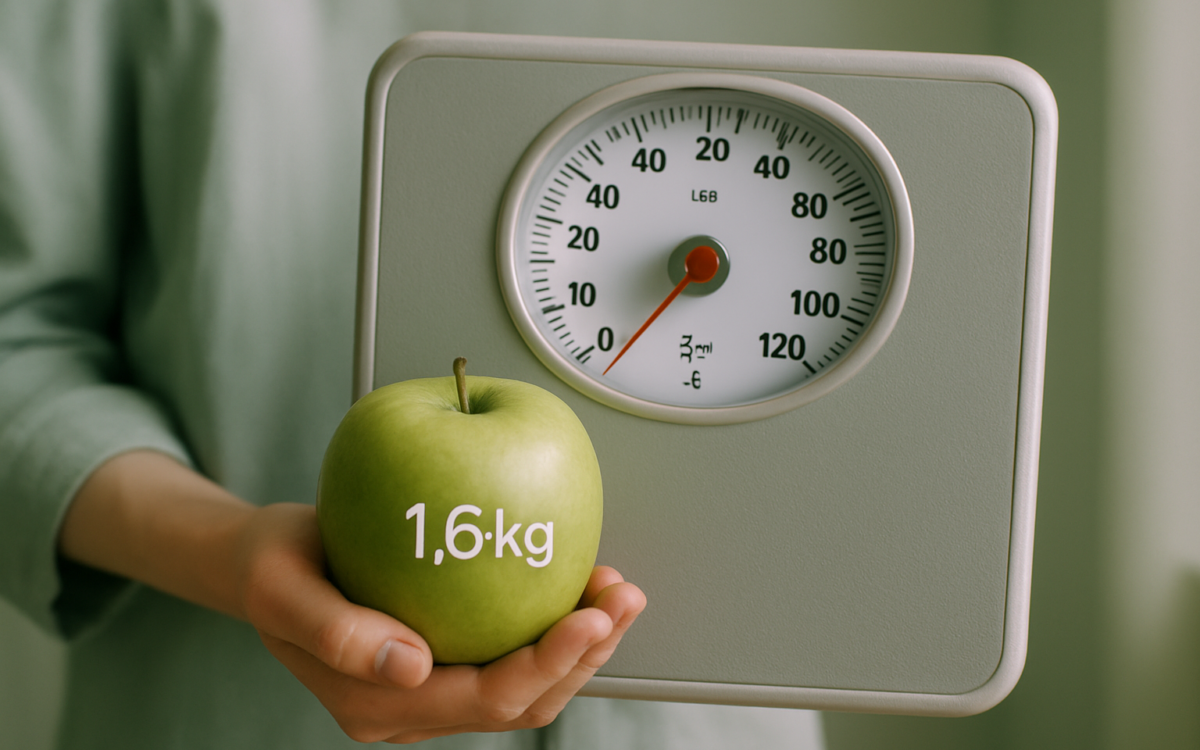
When discussing health and nutrition, weight often comes into play, especially in different measurement systems. If you’ve ever wondered what 1.6 kilograms translates to in pounds, you’ve come to the right place. In this article, we’ll explore weight conversion, its significance in health assessments, and more.
Understanding Weight Conversion
Weight is commonly measured in two units: kilograms (kg) and pounds (lbs). The metric system, which uses kilograms, is standard in many countries, while the imperial system still prevails in the United States and a few other places. Converting between these units can be quite simple!
How to Convert 1.6 kg to Pounds
To convert kilograms to pounds, you can use the conversion factor where 1 kilogram equals approximately 2.20462 pounds. Therefore, to find out how many pounds 1.6 kg is, you multiply:
- 1.6 kg × 2.20462 lbs/kg = 3.5274 lbs
This means that 1.6 kilograms is roughly equal to 3.53 pounds when rounded to two decimal places.
The Importance of Weight Measurements in Health
Understanding weight measurements is crucial for a variety of reasons:
- Body Mass Index (BMI): BMI is a common method used to assess body weight relative to height. It helps categorize individuals as underweight, normal weight, overweight, or obese. Calculating your BMI requires both your weight (in pounds or kilograms) and height (in inches or meters).
- Nutritional Needs: Body weight can influence dietary guidelines and caloric intake, impacting overall health. Many health professionals consider international guidelines for nutritional needs, especially for those traveling or living abroad.
- Monitoring Health Changes: Tracking weight is essential for those managing specific health conditions. It lets individuals and healthcare providers assess whether treatments are effective or if lifestyle changes are needed.
Weight in Different Cultures
Different countries have unique approaches to weight and health. In places where the metric system is dominant, such as Europe and most of Asia, health assessments often rely on kilograms and meters for a seamless understanding of weight relative to height. On the other hand, the U.S. continues to use pounds and inches, which sometimes leads to confusion when international standards are referenced.
For individuals engaged in international travel or expatriates, knowing how to convert these measurements can make health discussions smoother. Keeping track of dietary habits, weight changes, and health-related metrics across countries can aid in maintaining well-being.
When Weight Matters: Health Conditions Linked to BMI
High or low BMI can signal various health risks. Here are a few conditions associated with different weight ranges:
- Underweight: Individuals with a BMI below 18.5 may face health problems such as weakened immune response, nutritional deficiencies, and osteoporosis.
- Normal Weight: A BMI between 18.5 and 24.9 is considered healthy, indicating a lower risk for chronic diseases.
- Overweight and Obesity: BMI values above 25 fall into overweight, and values over 30 indicate obesity, leading to increased risks for heart disease, diabetes, and certain cancers.
Therefore, monitoring your weight and BMI is essential for long-term health. However, it’s essential to remember that BMI is not the only measure of health, and other factors like muscle mass, bone density, and overall fitness level should also be considered.
When to See a Doctor
If your weight has significantly fluctuated—either gaining or losing weight beyond your typical range—or if you are concerned about your BMI and its relationship to your health, it’s important to consult with a healthcare provider. They can offer personalized advice and, if necessary, a thorough health assessment to ensure you’re on the right path.
Conclusion
Understanding how to convert weight measurements, like 1.6 kilograms to pounds, is essential for everyone, particularly in our interconnected world. By knowing your weight in both systems, you can better manage your health, follow nutritional guidelines, and communicate effectively with healthcare providers. As always, if you have concerns about your weight or health, don’t hesitate to consult your doctor!
