
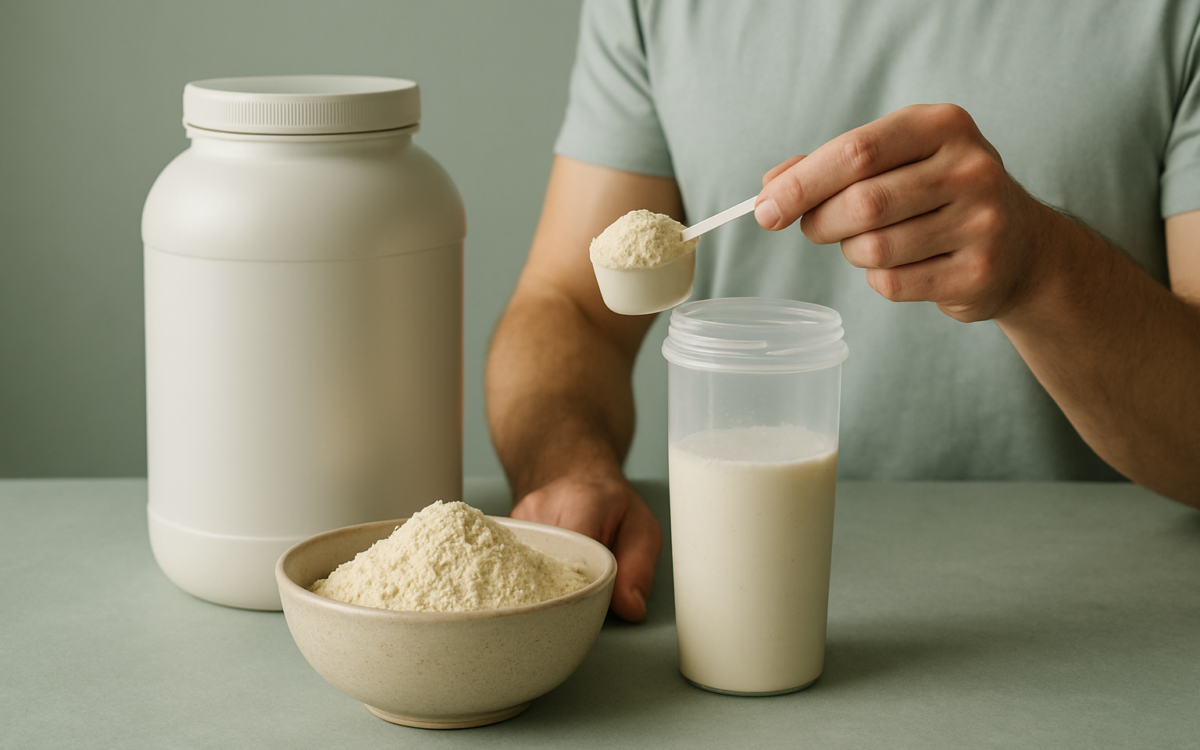
If you’re looking to gain weight, particularly in the form of muscle, protein supplements can be a helpful ally. Many people turn to these products to enhance their nutritional intake, especially when it’s challenging to get enough protein from food alone. But, like any supplement, understanding how they work, their benefits, and any potential downsides is crucial. Let’s dive into the essentials of weight gain protein supplements.
What Are Protein Supplements?
Protein supplements come in various forms, including powders, bars, and ready-to-drink shakes. They are designed to provide a convenient source of protein, which is vital for muscle growth, recovery, and overall health. Common types include whey protein, casein, soy protein, pea protein, and egg protein. These products often include other ingredients for added energy and nutrients, like carbohydrates and fats, especially those aimed at weight gain.
Why Consider Protein Supplements for Weight Gain?
Individuals looking to gain weight often find it challenging to consume sufficient calories through whole foods alone. Protein supplements can help bridge the gap by providing concentrated protein sources. Here are some reasons people may choose protein supplements:
- Convenience: Protein supplements are quick and easy to prepare. This is especially beneficial for those with busy lifestyles or limited time to cook.
- Caloric Density: Many weight gain protein supplements are designed to be calorie-dense, providing extra calories per serving to help you achieve surplus intake.
- Muscle Growth: Protein is essential for building and repairing muscles, especially after exercise. For athletes and those engaging in strength training, these supplements can support growth and recovery.
- Variety: Protein supplements often come in various flavors and formats, making them a tasty option to add to your diet.
The Science Behind Protein Supplements
Protein plays a crucial role in various bodily functions, including tissue repair, immune function, and hormone production. According to the National Institutes of Health, adults should aim for about 46 grams of protein per day for women and 56 grams for men, but these amounts can increase depending on activity level and weight goals. Protein supplements can help reach those goals.
Research indicates that when combined with resistance training, protein supplementation can help increase muscle mass more effectively than diet alone. Studies show that consuming protein shortly after exercise can enhance muscle protein synthesis, aiding recovery and growth.
Choosing the Right Protein Supplement
With numerous options available, selecting the right protein supplement can be overwhelming. Here are some factors to consider:
- Protein Source: Choose a protein source that aligns with your dietary preferences and any allergies you may have. For instance, plant-based proteins are suitable for vegans or those lactose-intolerant.
- Nutritional Content: Look for supplements that offer a good balance of protein, carbohydrates, and fats, particularly if you’re aiming for weight gain.
- Additives: Some protein powders contain added sugars, artificial flavors, or fillers. Aim for products with minimal, natural ingredients.
- Brands: Stick to reputable companies that conduct third-party testing to ensure product quality and safety.
Potential Risks and Considerations
Although protein supplements can be beneficial, they are not without their potential risks:
- Excess Caloric Intake: It’s possible to overconsume calories from supplements, leading to unwanted fat gain instead of muscle.
- Nutrient Imbalance: Relying too heavily on supplements can result in missing out on the diverse nutrients found in whole foods.
- Gastrointestinal Issues: Some people may experience bloating or digestive discomfort from certain protein powders, especially those containing lactose or artificial ingredients.
It’s essential to remember that supplements should not replace whole foods. They should be used to complement a balanced diet rich in fruits, vegetables, whole grains, and healthy fats.
Using Protein Supplements Safely
To maximize the benefits and minimize risks, consider the following tips:
- Consult a Professional: Always talk to a healthcare provider or a registered dietitian before starting any supplement, especially if you have existing health conditions or dietary restrictions.
- Monitor Your Intake: Keep track of your overall dietary intake to ensure you’re meeting your caloric and nutritional goals without excess.
- Stay Active: Combine protein supplementation with regular exercise, particularly strength training, for the best results in muscle building.
When to See a Doctor
If you experience any adverse effects from protein supplements, such as persistent gastrointestinal issues, or if you’re struggling to gain weight despite your efforts, it’s advisable to consult with a healthcare provider. They can help identify any underlying health concerns or offer personalized guidance.
Conclusion
Weight gain protein supplements can be a useful tool for those looking to increase muscle mass and overall caloric intake. They offer convenience and can help meet protein needs, especially for active individuals. However, it’s important to use them wisely and recognize that they are most effective when combined with a balanced diet and regular exercise. Always consult a healthcare professional before starting any new supplement to ensure it aligns with your health goals.
