
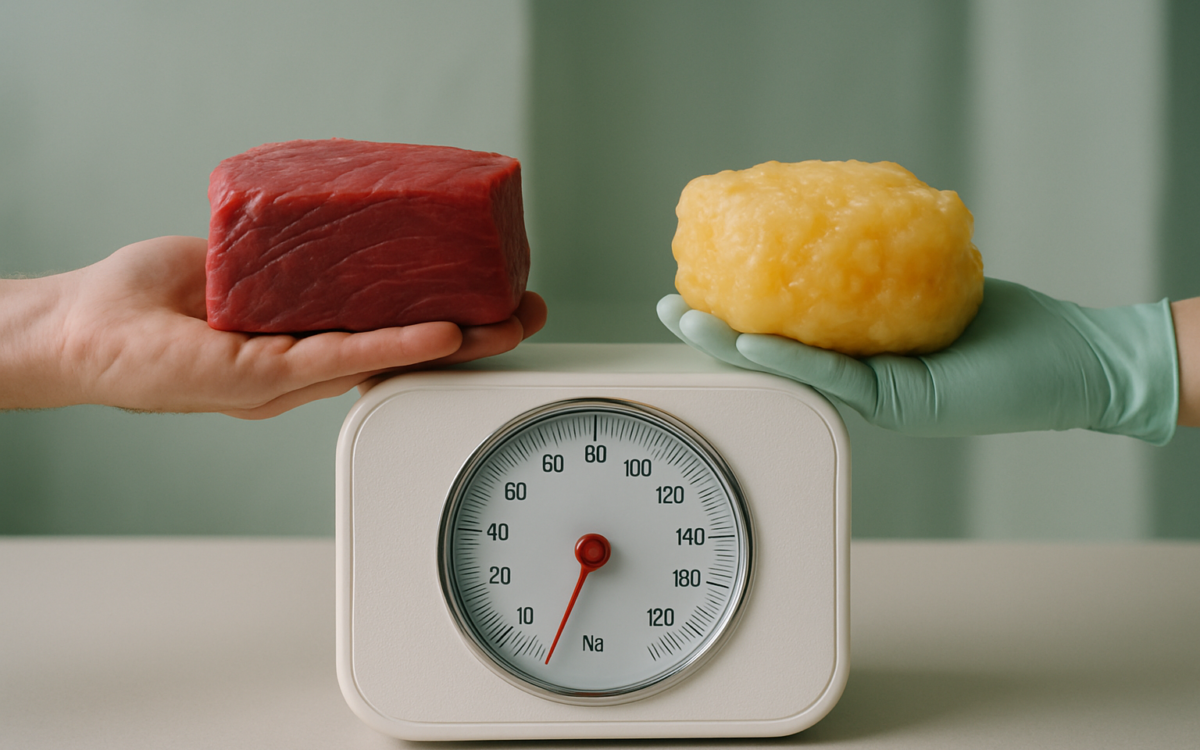
When you step on the scale, how often do you wonder about what those numbers really mean? If you’ve ever embarked on a fitness journey, you might have asked yourself, “Does muscle weigh more than fat?” The simple answer is yes and no, but let’s dive deeper into this question to better understand the relationship between muscle, fat, and weight.
Understanding muscle and fat
Muscle and fat are two different types of tissue found in our bodies, and they have distinct characteristics. Muscle is denser than fat, which means that a pound of muscle takes up less space than a pound of fat. In other words, muscle is heavier by volume, which can lead to a misunderstanding of weight loss or gain.
The density difference
To better comprehend the question, let’s talk about density. Density is defined as mass per unit volume. Muscle tissue is approximately 18% denser than fat. This means that for an equal weight of muscle and fat, muscle will take up less space. For instance, if you have 5 pounds of fat and 5 pounds of muscle, the muscle will occupy a smaller area on your body compared to the fat. This difference is why individuals with more muscle often appear leaner, despite possibly weighing more on the scale.
Body composition matters
Rather than focusing solely on weight, it’s essential to look at body composition. Body composition refers to the percentage of fat and non-fat (muscle, bone, water) in the body. Assessing body composition gives a clearer picture of health than body weight alone. While scales can show fluctuations due to various factors (like water retention, hormonal changes, or muscle gain), measuring body composition through different methods can provide insight into your fitness progress.
- Bioelectrical impedance analysis (BIA): This method uses a small electrical current to estimate body composition.
- Skinfold measurements: Using calipers, it measures the thickness of skinfolds at certain body sites.
- Dual-Energy X-ray Absorptiometry (DEXA): This method can provide detailed information about bone density, fat, and muscle mass.
Tracking progress effectively
If you’re working on a fitness goal, it’s critical to track more than just your weight on a scale. Instead, monitor progress by evaluating muscle gain or fat loss. A person engaged in strength training may see their weight plateau or even increase, despite losing fat due to muscle gain. The scale doesn’t reflect inner changes, which is why many fitness experts recommended taking measurements or photographs to track progress.
Furthermore, consistency in tracking progress is key. Pick a regular schedule for weights and measurements, and try to compare the same time of day for the most accurate readings.
The international perspective
Across the globe, different cultures embrace various approaches to fitness and health. For instance, in many parts of Europe and Asia, body composition rather than mere weight is more commonly emphasized in healthcare. This focus helps individuals understand their health better, leading to informed decisions about diet and exercise. Platforms like acibademinternational.com provide resources for individuals seeking international treatment and insights about fitness from around the world. Understanding diverse approaches can enhance your own health journey.
Common myths about weight
There are several myths surrounding weight, muscle, and fat that can lead to confusion:
- Muscle weighs more than fat: As explained, muscle is denser, but a pound of muscle and a pound of fat weigh the same!
- I will gain weight from lifting weights: While strength training might increase weight, it’s primarily from muscle gain, which is healthier.
- Cardio is the only way to lose weight: A balanced routine of cardio and strength training is crucial for a successful fitness plan.
When to see a doctor
If you have concerns about your weight, body composition, or are unsure of how to approach fitness, it’s a good idea to consult a healthcare provider. They can help determine a healthy plan tailored to your individual needs. Additionally, if you experience sudden changes in weight or have other health concerns, seeking medical advice is important.
In conclusion, understanding the nuances of weight and body composition can empower you to make healthier choices. While muscle is denser than fat, focusing solely on the scale can be misleading. Embrace a holistic approach, and remember that your overall health and how you feel matter most!
