
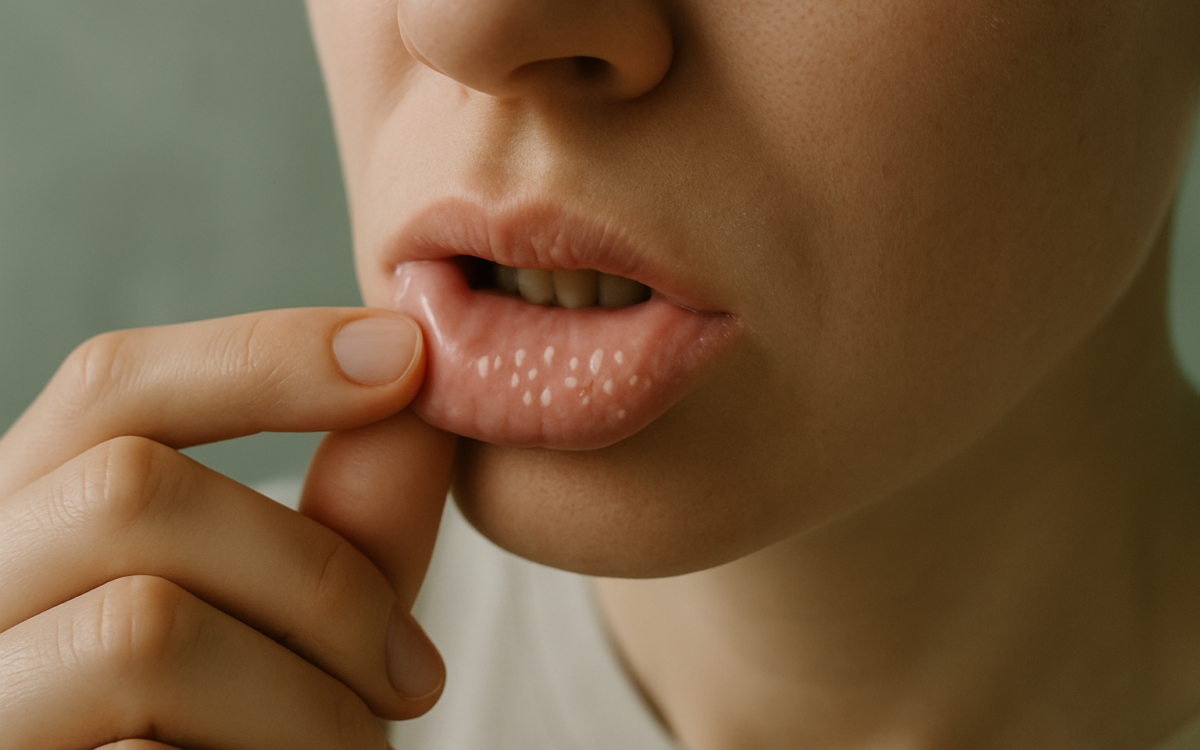
Have you ever noticed white pimples or spots on the inside of your lips? These little bumps can be alarming, especially if you don’t know what they are or how to treat them. Often, these spots can be harmless, but they can also be a sign of underlying conditions. Understanding the potential causes and how to manage them can help you feel more at ease.
Common Causes of White Pimples on the Inside of Lips
White pimples on the inside of your lips can stem from various causes. Here are some of the most common:
- Canker Sores: Canker sores are small, painful ulcers similar to white pimples. They can occur inside the lips and are usually triggered by stress, hormonal changes, or minor injuries. Canker sores typically heal on their own within one to two weeks.
- Mucous Cysts: Also known as mucoceles, these fluid-filled sacs can develop on the lips or mouth mucosa. They are often caused by trauma to the lips, such as biting or friction, and may appear as clear or white bumps.
- Leukoplakia: This condition leads to white patches on the mucous membranes, including inside the mouth and on the lips. It can be caused by irritation, tobacco use, or a response to certain medications. Leukoplakia requires monitoring as it may sometimes indicate precancerous changes.
- Oral Thrush: This fungal infection can cause white patches or bumps in the mouth, including on the lips. Common in individuals with weakened immune systems, oral thrush may require antifungal medication for resolution.
Identifying the Symptoms
White pimples or spots inside the lips often come with a variety of symptoms. Recognizing these can help you determine when to seek medical attention:
- Pain or Discomfort: While some white spots may be painless, canker sores typically cause significant pain that can make eating or talking difficult.
- Size and Shape: Most benign bumps are small and round. However, larger, irregular spots warrant evaluation by a healthcare professional.
- Duration: If a white spot lasts longer than two weeks without improvement, it’s advisable to consult a doctor. This could indicate an underlying condition that needs to be addressed.
Treatment and Relief Options
Depending on the underlying cause, treatment for white pimples on the inside of the lips may vary:
- Warm Saltwater Rinses: These can provide relief for canker sores and help reduce inflammation. Simply mix a teaspoon of salt in a glass of warm water and rinse several times a day.
- Over-the-Counter Pain Relievers: Non-prescription medications like ibuprofen or acetaminophen can help alleviate pain from canker sores.
- Aloe Vera Gel: Applying aloe vera gel to the affected area may promote healing and soothe irritation.
- Antifungal Treatments: If oral thrush is the cause, antifungal medications prescribed by a doctor can effectively resolve the infection.
Prevention Strategies
While not all white pimples on the inside of lips can be prevented, there are steps you can take to minimize your risk:
- Maintain Good Oral Hygiene: Regular brushing and flossing can help keep your mouth healthy and reduce the risk of infections.
- Avoid Irritants: Tobacco use and excessive alcohol can contribute to oral health problems, including conditions like leukoplakia.
- Manage Stress: Since stress is a common trigger for canker sores, consider stress-reduction techniques such as mindfulness or yoga.
When to See a Doctor
While many white pimples or spots are benign, certain situations require medical evaluation:
- If the spots are persistent and do not heal within two weeks.
- If you experience significant pain or difficulty swallowing.
- If you notice other symptoms, such as fever or swollen lymph nodes, that could indicate infection.
- If the spots change in appearance or size rapidly.
Conclusion
White pimples on the inside of your lips can have various causes, many of which are harmless and temporary. However, paying attention to associated symptoms can help you determine when it’s time to consult a healthcare professional. With proper care and by knowing what to look for, you can take charge of your oral health.
For more information about oral health and related conditions, consider visiting reputable sources such as the National Institutes of Health or the Centers for Disease Control and Prevention.
