
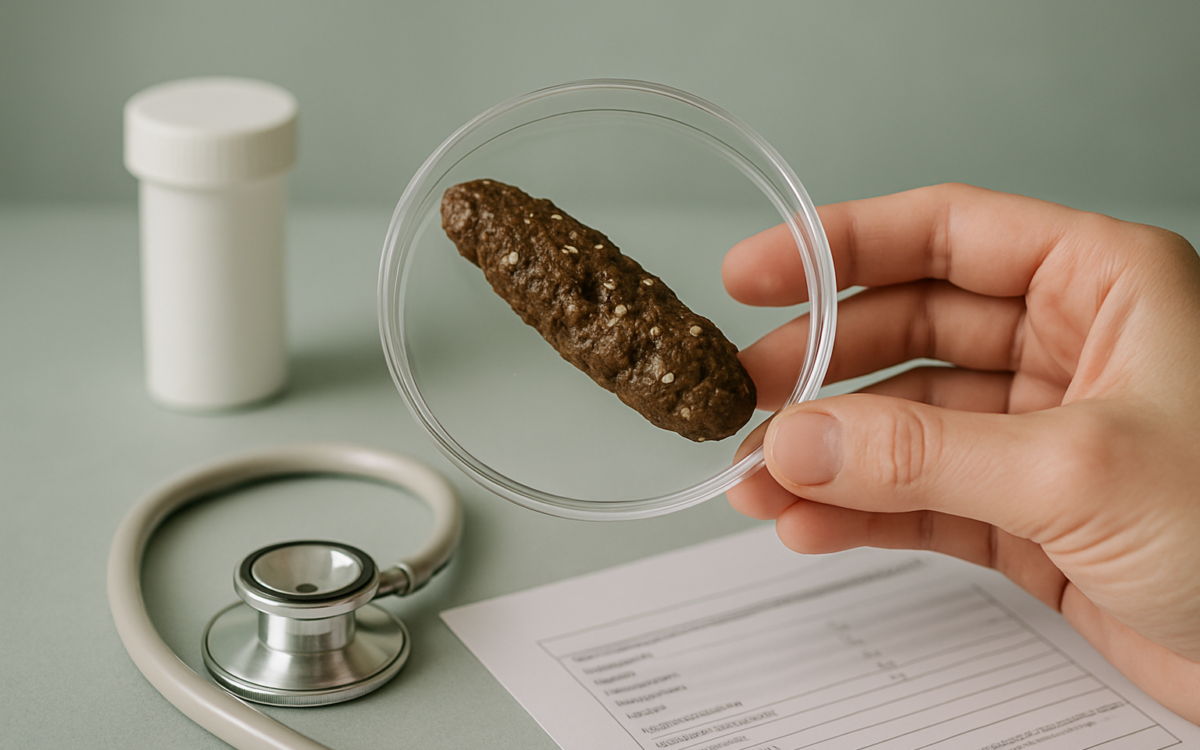
Noticing unusual changes in your stool can be alarming, especially when you spot white specks. While it’s easy to jump to conclusions, these specks can have various explanations, ranging from harmless dietary factors to potential health issues. Understanding what these changes might indicate can help you make informed decisions about your health.
What Are White Specks in Stool?
White specks in stool may appear as small, light-colored particles that stand out against the usual brown color of bowel movements. The nature and characteristics of these specks can vary, and their meaning may differ depending on several factors, including diet and health status.
Common Dietary Causes
One of the most frequent reasons behind white specks in stool is diet. Some foods contain fibers and other components that may not fully digest, leading to white remnants in your bowel movements. Consider the following:
- Sesame seeds: These tiny seeds can often escape proper digestion, appearing as small white specks.
- Dairy products: If lactose is not well-tolerated, undigested dairy might manifest as white flecks.
- High-fiber foods: Some fibers remain intact during digestion, potentially resulting in noticeable particles.
While these elements are usually benign, it is crucial to pay attention to the overall context, including fiber intake and any accompanying symptoms.
Possible Health Concerns
While many causes of white specks in stool are harmless, it is essential to be aware of potential health issues that can also manifest this way. Some health conditions to consider include:
1. Intestinal Parasites
In some cases, white specks in stool can be egg casings from intestinal parasites such as pinworms. These are usually very small and may be accompanied by symptoms like itching around the anus or gastrointestinal discomfort.
2. Mucus in the Stool
Occasionally, white specks may actually be mucus, which can appear when there is irritation in the intestines. Conditions like irritable bowel syndrome (IBS) or infections can lead to increased mucus production, resulting in noticeable particles in stool.
3. Fat Malabsorption
Conditions that prevent the proper absorption of fats, such as celiac disease or pancreatitis, might lead to white or pale-colored stool. This can also be an indication that fat is present in the stool, despite it being digested incorrectly.
When to Seek Medical Advice
If you notice white specks in your stool, you might wonder whether it warrants a visit to your healthcare provider. While occasional occurrences related to dietary factors might not pose significant concerns, consider contacting a doctor if you experience:
- Chronic changes in stool appearance
- Changes accompanied by abdominal pain
- Unexplained weight loss
- Diarrhea or constipation lasting several days
- Any other unusual symptoms, such as nausea or vomiting
It’s always better to err on the side of caution. If white specks are persistent or accompanied by other symptoms, discussing these changes with your doctor can provide clarity.
Monitoring Your Stool Health
Understanding the nuances of your digestive health is crucial. Keeping a record of your bowel habits can be helpful; this may include noting the frequency, consistency, and appearance of your stool, as well as any dietary changes or symptoms that arise.
1. Increase Hydration
Drinking enough water can support digestive health. Proper hydration can aid in the breakdown of food and promote regular bowel movements.
2. Maintain a Balanced Diet
Incorporating various food types can help your digestive system function optimally. Include a mix of fiber-rich fruits, vegetables, whole grains, and proteins to maintain a healthy gut.
3. Regular Physical Activity
Engaging in regular exercise can stimulate digestive processes, promoting regular bowel movements and overall gut health.
Conclusion
White specks in stool can be a common sight, often linked to dietary habits. While many causes are benign, particularly those related to what you eat, it’s important to stay vigilant about your health. Monitoring your symptoms and seeking advice from a healthcare professional when necessary can help you navigate any changes in your digestive health. For further reading about digestive health, you can explore resources like the National Institutes of Health or the Mayo Clinic.
