
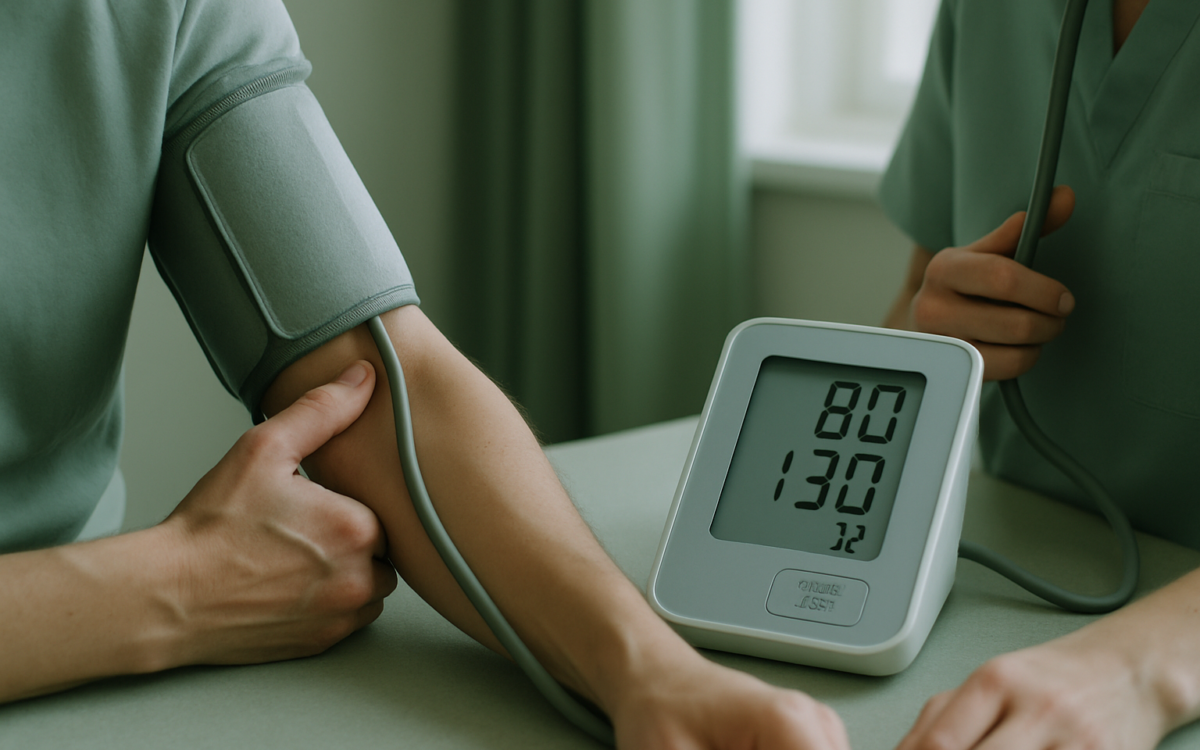
Blood pressure readings can be confusing, especially when they appear outside of the standard range. If you’ve heard about a reading like 80/130, you might wonder what it means for your health. Let’s break down the components of blood pressure and explore what different numbers signify.
What do blood pressure numbers represent?
Blood pressure is measured using two numbers: systolic and diastolic pressure. Systolic pressure, the top number, measures the pressure in your arteries when your heart beats. Diastolic pressure, the bottom number, measures the pressure in your arteries when your heart is at rest between beats. In the case of a reading like 80/130, 80 represents the diastolic pressure, while 130 indicates the systolic pressure.
The significance of a 80/130 reading
A reading of 80/130 can be somewhat unusual since it puts more focus on the systolic pressure than the diastolic pressure. According to various health organizations, normal blood pressure should generally be below 120/80 mmHg (CDC). Here’s what each component may indicate:
- Systolic pressure (130): A systolic pressure of 130 falls into the elevated category. Though not officially classified as hypertension, it does suggest a higher risk of developing high blood pressure or cardiovascular issues if no lifestyle changes are made.
- Diastolic pressure (80): A diastolic reading of 80 is on the border of normal and abnormal. It signifies that the pressure is creeping up, which like the systolic number, can expose individuals to cardiovascular risks over time.
Causes of elevated blood pressure readings
There are many factors that can contribute to elevated blood pressure readings such as stress, poor diet, lack of exercise, and underlying health conditions. Some common causes include:
- Diet: High sodium intake from processed foods can raise blood pressure.
- Obesity: Carrying excess weight puts additional strain on the heart.
- Lack of physical activity: Inactivity can lead to higher blood pressure over time.
- Stress: Chronic stress can temporarily boost blood pressure.
- Medical conditions: Such as kidney disease or hormonal disorders.
Understanding the dangers of high blood pressure
Chronic high blood pressure, or hypertension, can lead to serious health complications. Over time, it can damage blood vessels and lead to conditions such as:
- Heart disease: Hypertension is a major risk factor for heart attacks.
- Stroke: Elevated pressure can cause blood vessels in the brain to rupture or become blocked.
- Kidney damage: High blood pressure can harm the kidneys, limiting their ability to filter waste.
- Vision loss: Damage to blood vessels in the eyes can lead to impaired vision.
Monitoring your blood pressure
Regular monitoring is key to maintaining healthy blood pressure. Here are some tips for keeping track:
- Check regularly: Measure your blood pressure at home or during doctor visits.
- Record readings: Keeping a log of your readings can help you and your doctor spot trends.
- Understand your risk: Knowing your family history and personal risk factors can be beneficial.
Lifestyle changes for better blood pressure
Fortunately, there are numerous lifestyle changes you can make to support healthier blood pressure:
- Eat a balanced diet: Focus on whole foods, fruits, vegetables, and lean proteins.
- Exercise regularly: Aim for at least 150 minutes of moderate exercise a week.
- Stay hydrated: Drink plenty of water while limiting sugary drinks.
- Manage stress: Practices like yoga, meditation, or deep breathing can help.
- Avoid tobacco and excessive alcohol: Moderation is key for alcohol, while avoiding tobacco is crucial.
When to see a doctor
If you consistently get readings above the normal range, it’s important to consult with a healthcare professional. Even if you experience no symptoms, persistent elevated blood pressure can lead to serious health issues. Your doctor can suggest lifestyle changes or treatment options tailored to your needs.
For additional information, consider visiting the Mayo Clinic and the World Health Organization for reputable insights on blood pressure management.
Overall, understanding your blood pressure numbers empowers you to take control of your health. Being aware and proactive about changes could lead you toward a healthier future.
