
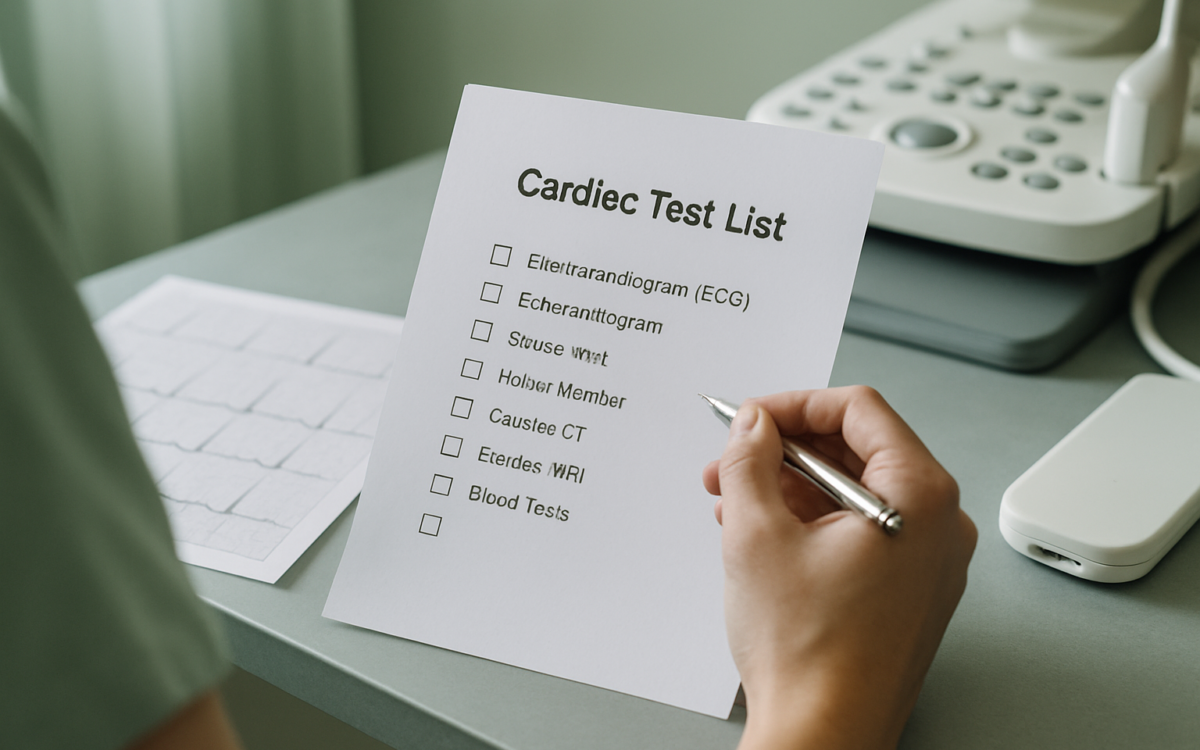
When it comes to heart health, understanding the tests your doctor may recommend can be overwhelming. With various cardiac tests available, knowing what each one does can help you feel more at ease and informed during your medical care. This article demystifies common cardiac tests, helping you understand their purposes and the importance of each in assessing your heart health.
What Are Cardiac Tests?
Cardiac tests are medical evaluations conducted to assess the health of your heart and blood vessels. These tests can help diagnose conditions such as coronary artery disease, heart failure, or arrhythmias. They can also help determine your risk for heart-related issues, guiding your doctor in developing appropriate treatment plans.
Common Cardiac Tests
1. Electrocardiogram (ECG or EKG)
An electrocardiogram (ECG or EKG) is a simple test that records the electrical activity of your heart. It provides essential information about your heart rate and rhythm, helping detect problems such as arrhythmias or signs of previous heart attacks. The test is quick, painless, and often done in a doctor’s office or hospital.
2. Echocardiogram
An echocardiogram uses sound waves to create images of your heart. This test allows doctors to see the size and shape of the heart, how well it pumps blood, and whether there are any structural issues, such as valve problems or congenital heart defects. It is a non-invasive test, and it helps in evaluating the heart’s overall function.
3. Stress Testing
Stress testing assesses how your heart performs under physical exertion. You may be asked to walk on a treadmill or ride a stationary bike while monitoring your heart’s response. This test can help detect issues that might not be apparent when you are at rest, like exercise-induced arrhythmias or insufficient blood flow to the heart.
4. Coronary Angiogram
A coronary angiogram is a more invasive test that uses X-rays to observe the blood vessels supplying your heart. A dye is injected into your coronary arteries through a catheter to visualize blockages or areas of narrowing. This test is often recommended if you have chest pain or if other tests suggest significant risk of heart disease.
5. Blood Tests
Simple blood tests can provide valuable information about your heart health. Tests that measure cholesterol levels, triglycerides, and markers of inflammation help assess your risk for coronary artery disease. Additionally, a test for cardiac biomarkers can be used to determine if someone has had a heart attack.
When Might You Need Cardiac Tests?
Doctors may recommend cardiac testing based on several factors, including:
- Symptoms such as chest pain, shortness of breath, or irregular heartbeats
- Family history of heart disease or risk factors like diabetes, high blood pressure, or obesity
- Routine screenings for people over a certain age or those engaging in increased physical activity
If you’re traveling internationally and are unsure about where to seek care, facilities like Acibadem International provide cardiac testing and treatment options to ensure a comprehensive health assessment, regardless of your location.
Understanding Test Preparation
Preparation for cardiac tests can vary depending on the specific test being conducted. For example, you might need to fast before blood tests or avoid certain medications prior to a stress test. Always check with your healthcare provider for specific instructions to ensure accurate results.
What to Expect After the Tests
After undergoing cardiac tests, your doctor will review the results with you and discuss their implications for your health. Depending on what the tests reveal, further testing or treatment might be necessary. Your healthcare provider will also guide you on lifestyle changes or medications that can help manage your heart health effectively.
When to See a Doctor
If you experience symptoms such as chest pain, persistent shortness of breath, or a rapid or irregular heartbeat, it is essential to consult a doctor immediately. Regular check-ups and discussing any concerns with your healthcare provider are key to maintaining heart health.
In conclusion, understanding the various cardiac tests available, their purposes, and what to expect can empower you to take charge of your heart health. Regular screenings and open communication with your doctor can play a vital role in preventing heart disease and ensuring a healthy future.
