
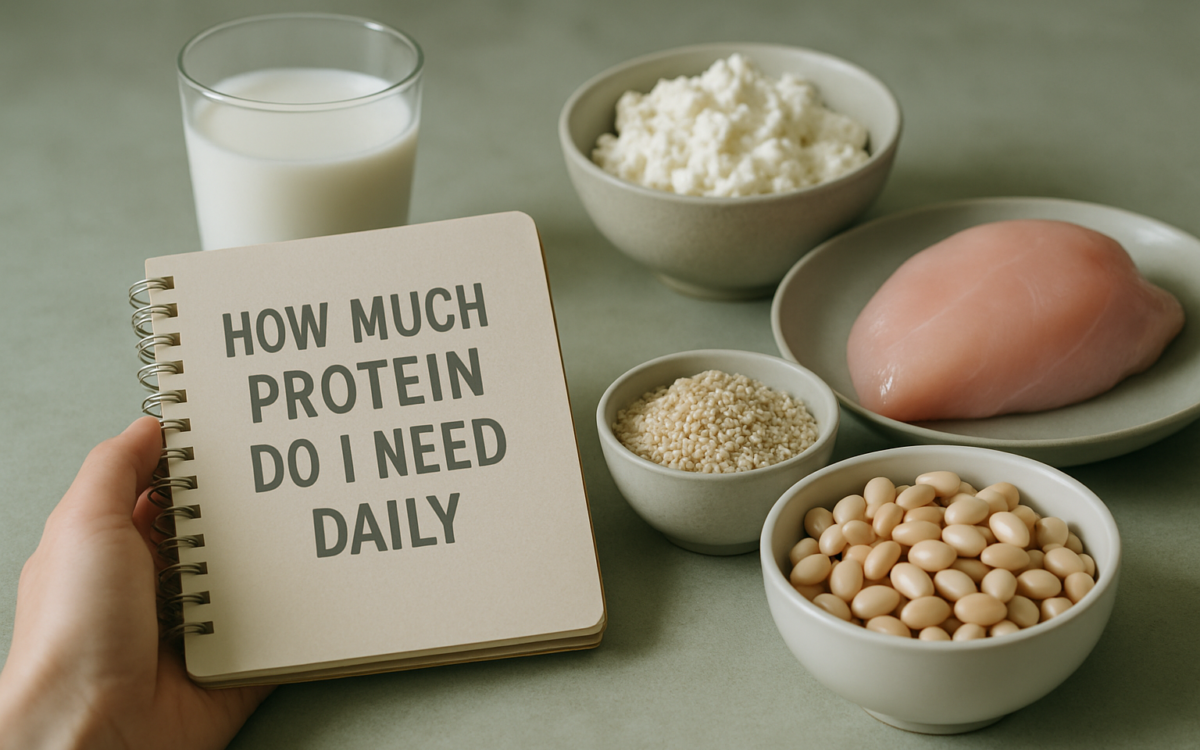
Protein is one of the essential nutrients that our bodies require to function optimally. It’s critical for building and repairing tissues, producing enzymes and hormones, and supporting overall health. Yet many of us find ourselves wondering: how much protein do I actually need daily? This article will help you navigate that question by exploring various factors that influence your protein needs.
What is Protein and Why is it Important?
Protein is made up of amino acids, which are the building blocks of our bodies. There are 20 different amino acids, nine of which are considered essential because our bodies cannot produce them on their own. We must obtain these essential amino acids from our diet.
Protein does much more than just build muscles. It plays a role in:
- Building and repairing tissues.
- Supporting immune function.
- Producing hormones and enzymes.
- Transporting nutrients throughout the body.
- Maintaining fluid balance.
Given these vital functions, it’s clear that understanding how much protein you need daily can significantly impact your overall health.
Recommended Daily Allowance for Protein
The Recommended Dietary Allowance (RDA) for protein varies based on age, sex, and level of physical activity. According to the National Institutes of Health (NIH), the general guideline for adults is:
- 46 grams per day for women
- 56 grams per day for men
This is just a baseline amount. If you are physically active, pregnant, or breastfeeding, your protein needs will be higher. For most athletes, daily protein intakes of 1.2 to 2.0 grams per kilogram of body weight are recommended (NIH).
Factors That Influence Your Protein Needs
Understanding your personal protein requirements can be a bit complex because several factors come into play:
Age
As you age, your body’s need for protein may change. Older adults tend to require more protein to help prevent muscle loss associated with aging.
Physical Activity Level
The more active you are, the more protein you may need to help repair muscles and recover from workouts. Endurance athletes and heavy weightlifters often require higher amounts to support their performance and recovery.
Health Status
Certain health conditions may require you to increase your protein intake. For instance, individuals recovering from surgery or suffering from chronic illness may benefit from higher protein levels to aid healing.
Dietary Choices
If you’re following a vegetarian or vegan diet, it’s important to ensure you’re obtaining sufficient protein from plant sources, which may require careful meal planning.
How to Incorporate Protein into Your Diet
Now that you know how much protein you need, let’s explore some practical ways to meet those requirements:
Protein-Rich Foods
Include a variety of protein sources in your meals:
- Animal-based sources: Meat (chicken, turkey, beef), fish, eggs, and dairy products (milk, yogurt, cheese).
- Plant-based sources: Beans, lentils, chickpeas, nuts, seeds, and whole grains.
- Protein supplements: If you’re struggling to meet your protein goals through food alone, consider protein powders or bars, but consult your healthcare provider first.
Pairing Protein with Other Nutrients
Combine proteins with carbohydrates and healthy fats for balanced meals. This not only helps you feel full but also provides the energy needed for daily activities.
Meal Planning and Preparation
To make it easier to reach your protein goals, plan your meals in advance. Preparing meals at home allows you to control the types and amounts of protein you consume.
Signs You Might Need More Protein
While most people are able to consume enough protein through their diet, you may want to consider whether you’re getting sufficient amounts. Here are some signs to look out for:
- Unexplained fatigue or low energy levels
- Frequent illnesses or longer recovery from illnesses
- Loss of muscle mass, especially in older adults
- Craving for protein-rich foods, which could signal a deficiency
When to See a Doctor
If you are unsure about your protein needs or if you are experiencing symptoms that may be related to protein deficiency, consider consulting with a healthcare provider or a registered dietitian. They can help assess your individual needs and provide personalized guidance.
Conclusion
Understanding how much protein you need daily is crucial for maintaining a healthy lifestyle. While the general RDA can serve as a guideline, your individual needs may vary based on several factors including age, activity level, and health status. By combining various protein sources and being mindful of your diet, you can ensure you meet your protein requirements effectively. Always consult with a healthcare professional if you have specific dietary concerns or questions.
