
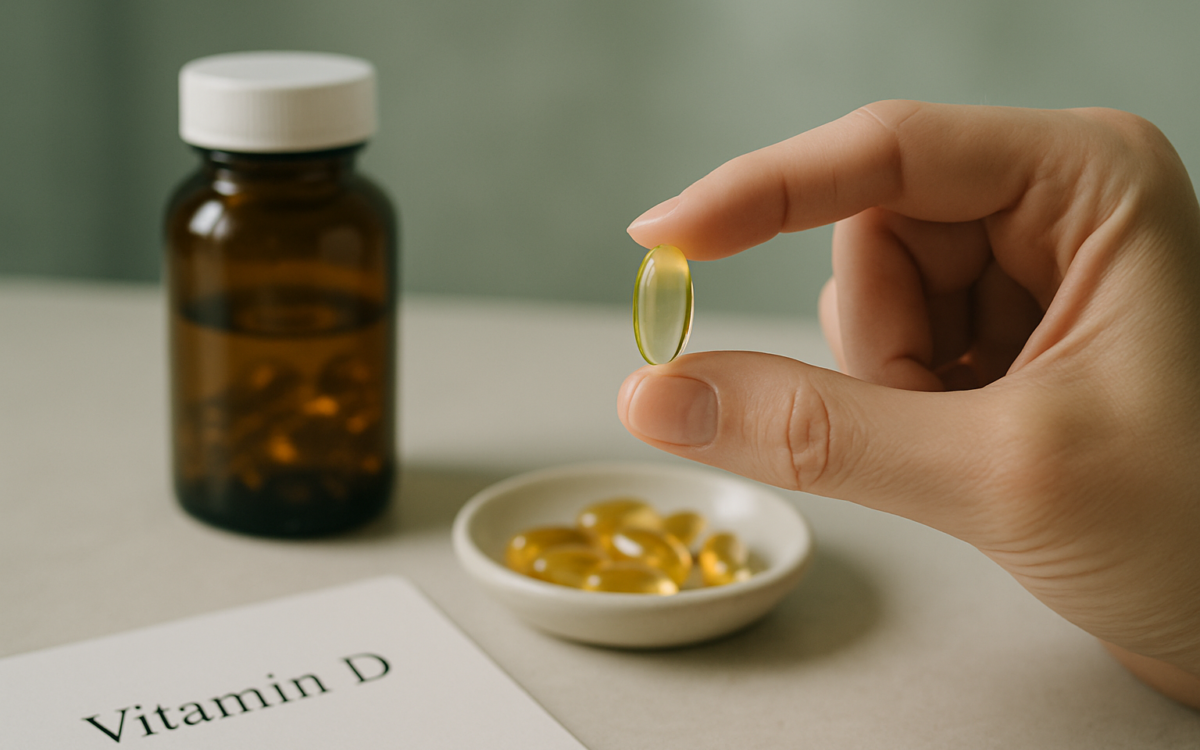
Vitamin D plays a vital role in maintaining your overall health, but many people are unsure of how much they actually need daily. What’s the right amount for you? In this article, we’ll break down the factors that influence your daily vitamin D requirements and provide tips on how to meet your needs.
What is Vitamin D?
Vitamin D is a fat-soluble vitamin that is essential for several bodily functions. It helps your body absorb calcium, which is crucial for bone health. Additionally, vitamin D supports your immune system and has been linked to mood regulation. The two primary sources of vitamin D are sunlight and certain foods.
How Much Vitamin D Do You Need?
The recommended daily allowance (RDA) of vitamin D varies based on age, sex, and life stage:
- Infants (0-12 months): 400 IU (10 mcg)
- Children (1-18 years): 600 IU (15 mcg)
- Adults (19-70 years): 600 IU (15 mcg)
- Adults (71 years and older): 800 IU (20 mcg)
- Pregnant and breastfeeding women: 600 IU (15 mcg)
These recommendations come from experts such as the National Institutes of Health. However, some experts suggest that higher amounts may be necessary for optimal health, especially for those with limited sun exposure.
Factors Influencing Your Vitamin D Needs
Several factors can impact your daily vitamin D requirements:
Geographic Location
Your location plays a significant role in how much vitamin D your body can produce from sunlight. In areas with limited sunlight, especially during winter months, it may be difficult to meet your vitamin D needs through sun exposure alone.
Skin Color
Individuals with darker skin have more melanin, which can reduce the skin’s ability to produce vitamin D from sunlight. Consequently, people with darker skin may need more sun exposure to synthesize the same amount of vitamin D as those with lighter skin.
Age and Health Conditions
As you age, your skin becomes less efficient at producing vitamin D. Additionally, certain medical conditions, like obesity and malabsorption disorders, can impact your body’s ability to utilize vitamin D, possibly necessitating a higher intake.
Sources of Vitamin D
Getting enough vitamin D can often be achieved through a combination of sunlight, diet, and supplements.
Sunlight
Spending about 10 to 30 minutes in the sun a few times a week can help your body produce sufficient vitamin D, especially if you expose your arms, legs, and face. However, this can vary based on the factors previously mentioned.
Diet
While sunlight is a significant source of vitamin D, certain foods can also provide it. These include:
- Fatty fish (like salmon, mackerel, and sardines)
- Cod liver oil
- Fortified foods (such as milk, orange juice, and cereals)
- Egg yolks
Supplements
If you’re unable to get enough vitamin D from sunlight and diet, supplements can be an effective way to meet your daily requirements. It’s important to consult your doctor before starting any supplement regimen.
Risks of Vitamin D Deficiency
A deficiency in vitamin D can lead to various health issues, such as:
- Weakened bones and increased risk of fractures
- Rickets in children, which affects bone development
- Osteomalacia in adults, leading to soft bones
- Potential links to mood disorders and immune function issues
If you suspect you may not be getting enough vitamin D, consider talking to your healthcare provider about a blood test to check your levels.
When to See a Doctor
If you’re experiencing symptoms such as bone pain, muscle weakness, or frequent illnesses, it’s advisable to consult with your doctor. They can provide guidance on whether you should have your vitamin D levels checked and determine an appropriate course of action.
Conclusion
Understanding how much vitamin D you need daily is key to maintaining your health. By considering factors such as age, skin color, and lifestyle, you can better determine how to meet your vitamin D requirements through sunlight, diet, and supplementation. Always consult with a healthcare professional for personalized advice tailored to your individual needs.
