
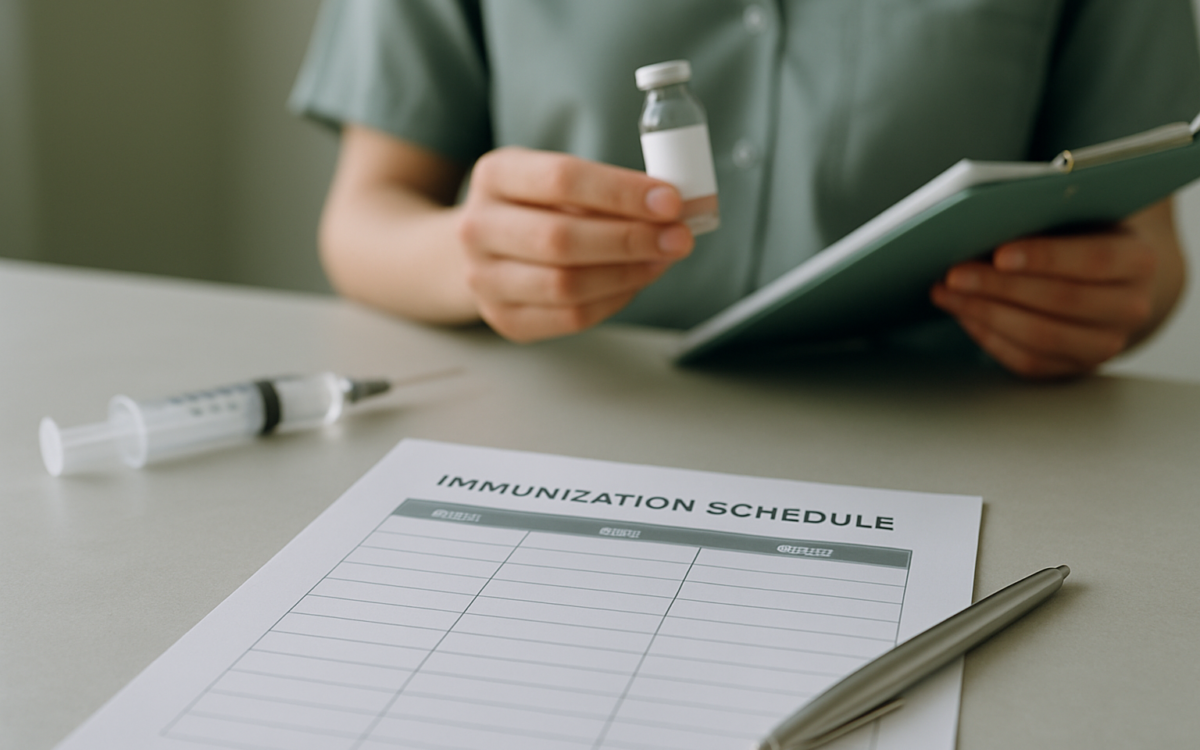
Vaccines have been a key part of maintaining public health for decades. They protect not only individuals but also communities from preventable diseases. Understanding the immunization schedule is essential for keeping your family safe and healthy. This article will guide you through the importance of vaccinations, the recommended timelines, and what to expect.
The Importance of Vaccines
Vaccinations are one of the most significant public health achievements. They work by preparing the body’s immune system to recognize and fight specific pathogens. By getting vaccinated, people reduce their risk of contracting diseases such as measles, polio, and whooping cough.
Moreover, vaccines contribute to herd immunity, which occurs when a large portion of the community becomes immune, protecting those who cannot be vaccinated, such as infants or individuals with certain medical conditions. This communal benefit makes immunization vital for everyone.
Understanding the Immunization Schedule
The immunization schedule outlines when people should receive vaccines, starting from infancy through adulthood. Both the Centers for Disease Control and Prevention (CDC) and the World Health Organization (WHO) publish recommended schedules that help guide healthcare providers and families.
The immunization schedule includes vaccinations for:
- Infants and children
- Adolescents
- Adults
Following these schedules ensures you and your loved ones receive the necessary vaccines at the right times.
Vaccines for Infants and Young Children
At birth, newborns typically receive their first vaccines. These include:
- Hepatitis B (HBV) vaccine
- Rotavirus vaccine
- Diphtheria, tetanus, and pertussis (DTaP) vaccine
- Haemophilus influenzae type b (Hib) vaccine
- Pneumococcal conjugate vaccine (PCV13)
- Inactivated poliovirus vaccine (IPV)
- Measles, mumps, and rubella (MMR) vaccine
- Varicella (chickenpox) vaccine
These vaccinations occur at various intervals during a child’s first few years. For example, the first dose of the DTaP vaccine is typically given around two months of age, followed by additional doses at four months and six months.
Following the schedule provided by health authorities, like the CDC, ensures that your child develops robust immunity against these diseases early on.
Vaccines for Adolescents
As children grow into adolescence, they become eligible for additional vaccines. Key vaccines include:
- Tdap (tetanus, diphtheria, pertussis) booster
- Human papillomavirus (HPV) vaccine
- Meningococcal conjugate vaccine
The Tdap booster is typically administered around age 11 or 12, while the HPV vaccine can be given starting at age 9. Immunization against meningococcal disease often occurs at age 11 or 12, with a booster recommended in college.
Staying updated with adolescent vaccines is crucial, especially as teens begin to socialize more widely and may engage in higher-risk activities.
Vaccines for Adults
Immunizations don’t stop in childhood. Adults also need vaccines to maintain their health. Key vaccinations for adults include:
- Influenza (flue vaccine) annually
- Tdap booster every 10 years
- Shingles vaccine, usually given after age 50
- Pneumococcal vaccines for older adults or those with specific health conditions
It’s essential for adults to follow these guidelines to stay protected, especially those with chronic health issues or those who work in healthcare. Consult with your healthcare provider to determine what vaccines you may need based on your health status and lifestyle.
Keeping Track of Vaccines
Maintaining a vaccination record is critical for individuals of all ages. This record helps you keep track of which vaccines you’ve received and when they are due. Parents should retain their children’s vaccination records and consider using digital health apps to monitor upcoming immunizations.
Many healthcare providers also offer online portals where patients can access their vaccination history and schedules. Staying informed about your immunization status helps ensure you do not miss any vaccines.
When to See a Doctor
If you have concerns about your or your child’s vaccination schedule or experience unusual side effects from a vaccine, it is essential to consult a healthcare professional. Additionally, if you are unsure about which vaccines are appropriate due to changes in health status or travel plans, reaching out to your doctor can provide clarity.
Conclusion
Understanding the immunization schedule is crucial for protecting both individual and public health. By keeping vaccinations up-to-date for all family members, you contribute to a healthier community and safeguard vulnerable populations. Always stay informed about vaccine recommendations from reputable sources like the WHO and the NIH. Remember, open conversations with healthcare providers are vital to navigate your family’s immunization needs.
