
When you think about building a healthy diet, protein is likely one of the first nutrients that comes to mind. It’s essential for muscle growth, repairing tissues, and supporting overall health. But how much protein should you consume each day? This guide will help answer that question and equip you with the knowledge to make healthy dietary choices.
What is Protein and Why Do We Need It?
Protein is one of the three main macronutrients, along with carbohydrates and fats. It is made up of smaller units called amino acids. There are 20 different amino acids, nine of which are essential for our bodies, meaning we must obtain them through food. Protein plays various roles in the body, including:
- Building and repairing tissues
- Producing enzymes and hormones
- Supporting immune function
- Providing energy when needed
Without adequate protein, your body might struggle to function optimally.
How Much Protein Do Adults Need?
The amount of protein each person needs can vary based on several factors, including age, sex, and level of physical activity. The Recommended Dietary Allowance (RDA) for protein is:
- **46 grams per day** for women
- **56 grams per day** for men
These guidelines are based on a sedentary lifestyle. If you’re more active, your protein needs may increase. According to the National Institutes of Health (NIH), active individuals may require 1.2 to 2.0 grams of protein per kilogram of body weight.
Protein Needs for Different Life Stages
Your protein needs change throughout different stages of life. Here’s a breakdown of what to consider:
Children and Adolescents
Growing children and teenagers require a sufficient amount of protein to support their rapid growth and development. The following RDA is suggested:
- **Children (4-8 years)**: 19 grams per day
- **Teens (9-13 years)**: 34 grams per day for boys, 32 grams per day for girls
Pregnant and Breastfeeding Women
Pregnant women need additional protein to support the growing fetus. It’s recommended that pregnant women increase their protein intake by about 25 grams daily, totaling around 71 grams. Nursing mothers should aim for similar goals to help in milk production.
Seniors
As we age, our bodies require more protein to help build and maintain muscle mass and strength. Older adults should aim for at least 1.0 to 1.2 grams of protein per kilogram of body weight to support their muscle health.
Balancing Protein with Other Nutrients
While protein is crucial, it is important to balance your diet with carbohydrates and fats for overall health. A well-rounded diet includes:
- Complex carbohydrates (like whole grains and quinoa)
- Healthy fats (such as avocados, nuts, and olive oil)
- A variety of fruits and vegetables
Each of these components provides essential nutrients that support overall health and wellness. Aiming for a balanced plate can help you meet your protein needs while also supplying your body with important vitamins and minerals.
Choosing Quality Protein Sources
The quality of the protein you consume is just as important as the quantity. Here are some excellent sources of protein from various food groups:
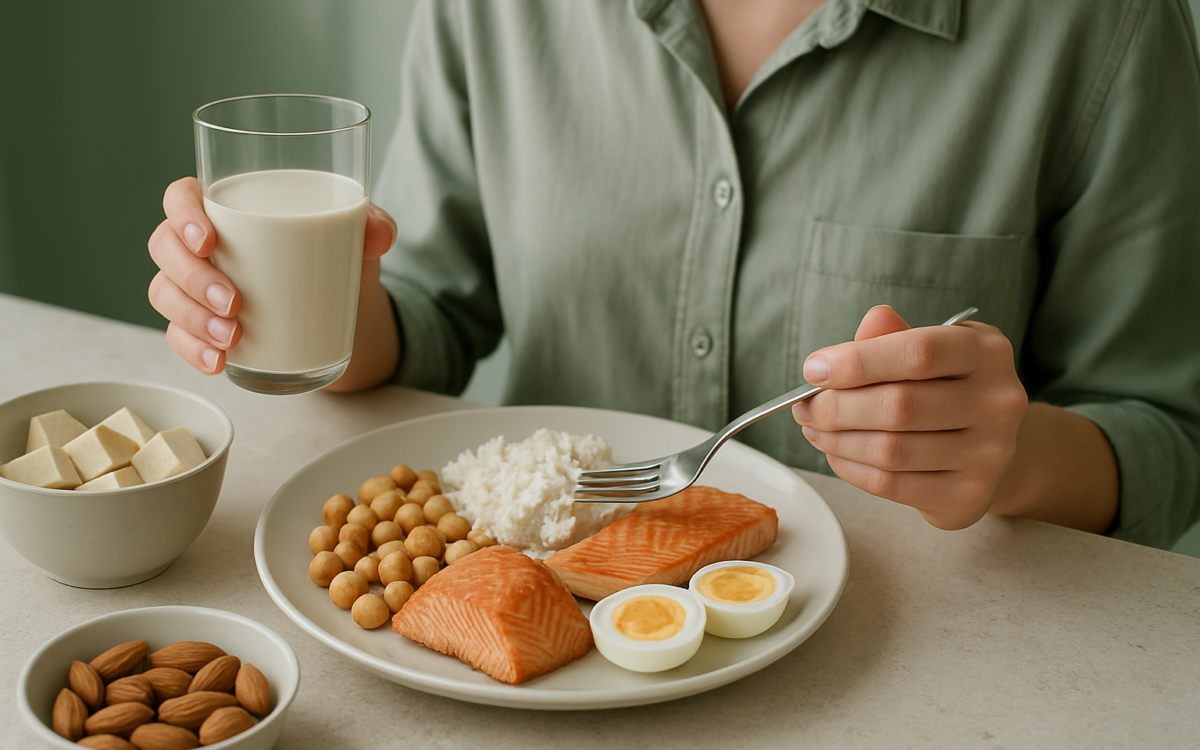
- Animal-based sources: Lean meats, poultry, fish, dairy products, and eggs
- Plant-based sources: Legumes (beans and lentils), nuts and seeds, whole grains, and soy products like tofu
By including a mix of these foods in your diet, you’ll benefit from not only protein but also other important nutrients.
Signs You Might Need More Protein
Several signs might indicate that you need to increase your protein intake:
- Persistent fatigue or low energy
- Muscle weakness or loss of muscle mass
- Slow healing of wounds
- Increased susceptibility to infections
If you observe any of these signs, it might be worthwhile to evaluate your diet and consult with a healthcare provider to determine your protein needs.
When to See a Doctor
If you’re unsure about how much protein you should be consuming, or if you have specific health concerns or dietary restrictions, consulting with a healthcare professional is a good idea. They can help you understand your unique needs based on your lifestyle, age, and health conditions.
Conclusion
Understanding how much protein you should consume is key to maintaining your health and well-being. By considering your age, activity level, and health goals, you can tailor your protein intake to meet your individual needs. Focus on enjoying a variety of quality protein sources to ensure you’re getting both the protein and nutrients your body requires. Remember, always consult with a healthcare professional for personalized advice.
