
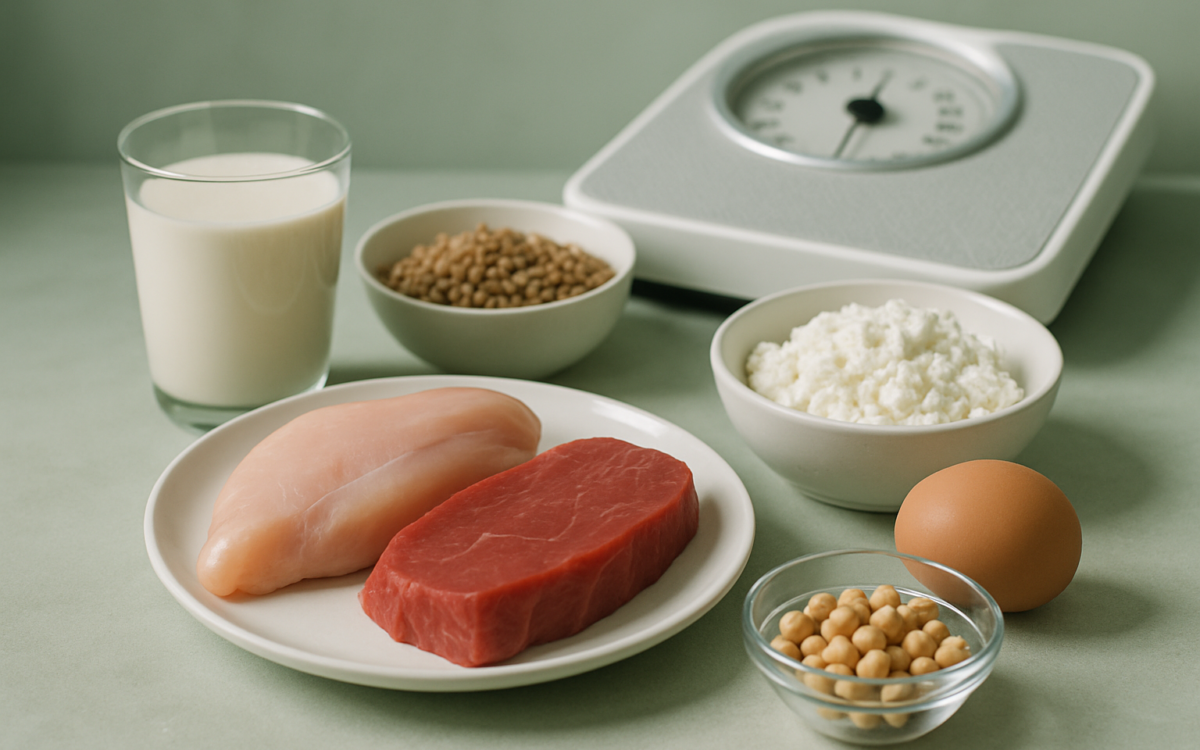
Protein is one of the essential nutrients your body needs to function properly. It’s crucial for building and repairing tissues, making enzymes and hormones, and supporting overall health. But how much protein do you actually need? Understanding your protein requirements based on your body weight can help you design a healthier diet that meets your needs.
What is protein and why do we need it?
Protein is made up of amino acids, which are the building blocks of our bodies. Our muscles, skin, organs, and even our hair contain protein. This macronutrient plays a significant role in:
- Building and repairing tissues
- Producing enzymes that aid in digestion
- Supporting immune function
- Transporting nutrients throughout the body
Given its multiple functions, ensuring an adequate intake of protein is critical for overall health. The amount of protein your body needs can vary based on several factors, including your age, sex, health status, and activity level.
How much protein do you need?
Many health organizations provide guidelines for protein intake. According to the Recommended Dietary Allowance (RDA), the average adult should consume about 0.8 grams of protein per kilogram of body weight. To convert this into pounds, it’s roughly 0.36 grams of protein per pound. However, these numbers can be adjusted based on individual conditions.
Here is a quick way to determine your protein needs:
- First, find your weight in pounds.
- Multiply your weight by 0.36 to get the minimum grams of protein you should consume each day.
For example, a 150-pound person would need about 54 grams of protein daily (150 x 0.36 = 54).
Adjusting protein intake based on activity level
While the RDA serves as a baseline, those who are more active may require additional protein to support muscle growth and recovery. Here’s how to adjust your intake based on various activity levels:
- Sedentary individuals: Stick to the RDA of about 0.8 g/kg. This is adequate for those who engage in little to no exercise.
- Moderately active individuals: If you exercise a few times a week (like walking, cycling, or playing sports), aim for about 1.0 to 1.2 g/kg.
- Athletes and intense exercisers: If you’re doing heavy training (like weightlifting or endurance sports), you might need between 1.2 and 2.0 g/kg, depending on your goals (muscle gain vs. maintenance).
It’s important to note that excessively high protein intake can strain the kidneys and lead to dehydration, so moderation is key.
Protein sources and how to include them in your diet
There are many sources of protein to consider when planning your diet. Protein can be found in both animal and plant-based foods:
Animal-based sources
- Meat: chicken, beef, turkey, pork
- Fish and seafood
- Dairy products: milk, yogurt, cheese
- Eggs
Plant-based sources
- Legumes: beans, lentils, chickpeas
- Nuts and seeds
- Tofu and tempeh
- Whole grains: quinoa, farro, barley
When planning meals, try to incorporate a mix of protein sources to ensure you get a range of amino acids. If you need specialized help, resources like international patient services may connect you with nutritionists who can assist with customized dietary planning.
Special populations and protein needs
Some groups have specific protein requirements, including:
- Older adults: As we age, our bodies may require more protein to maintain muscle mass and strength. Some experts recommend between 1.0 to 1.2 g/kg for older adults.
- Pregnant or breastfeeding women: These women need more protein to support fetal development and milk production, with recommendations ranging from 1.1 g/kg to 1.3 g/kg.
- Individuals recovering from illness: People recovering from surgery or illness often need additional protein to help repair tissues.
In these cases, consulting with a healthcare professional or a registered dietitian can provide clearer guidelines tailored to individual needs.
When to see a doctor
If you’re unsure about how much protein you should be eating or if you have specific dietary concerns, it’s a good idea to consult a healthcare provider. This is especially important if you have underlying health conditions, are pregnant or breastfeeding, or are considering significant dietary changes.
Conclusion
Getting the right amount of protein based on your body weight can contribute significantly to your health and well-being. By understanding your protein needs and incorporating various sources into your diet, you can support your body’s functions effectively. Remember to stay mindful of your activity level and any unique dietary requirements. Always consult with a healthcare professional for personalized advice tailored to your individual circumstances.
