
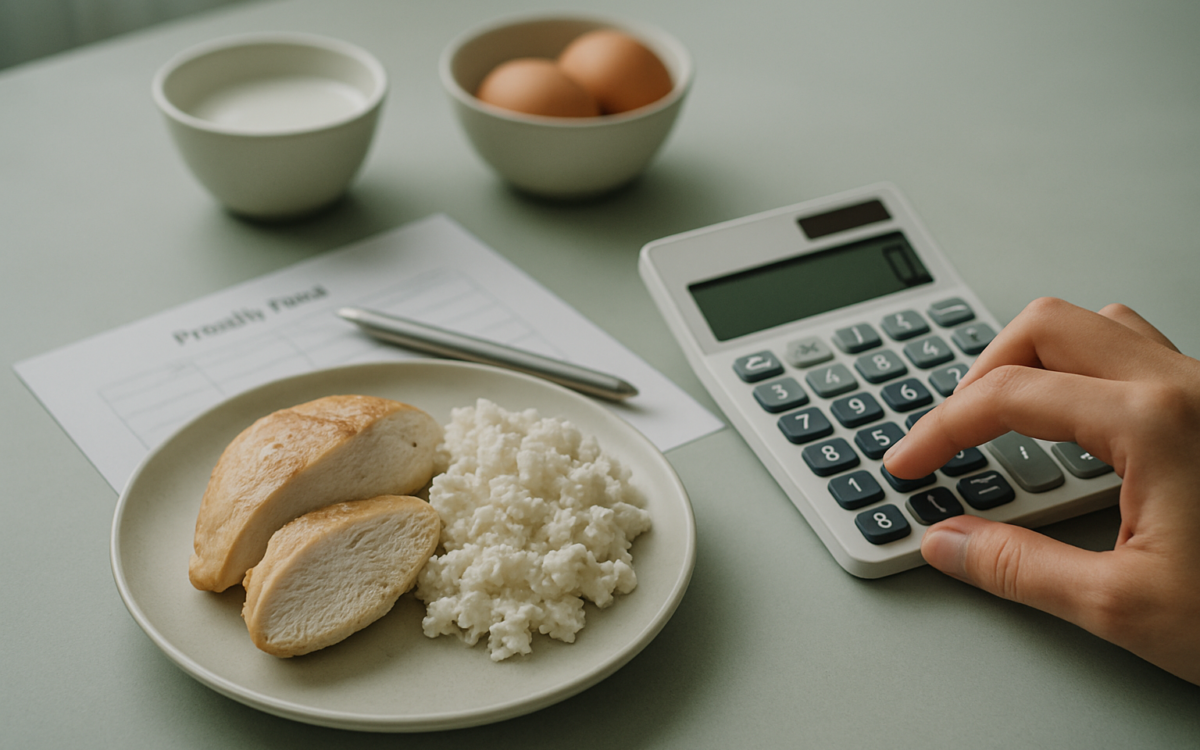
Protein plays a vital role in our bodies, providing the building blocks for muscles, hormones, and enzymes. Many of us know we need protein, but how much do we really need? This is where a protein calculator can come in handy. By understanding how to use this tool, you can tailor your protein intake to fit your individual health goals and needs.
What is a Protein Calculator?
A protein calculator is a tool that helps you determine how much protein you should include in your daily diet. It takes into account several factors, such as age, sex, weight, and activity level, to give you a personalized recommendation. The right amount of protein can vary greatly depending on your lifestyle, health goals, and overall dietary habits.
Why is Protein Important?
Protein is essential for several key functions in your body:
- Muscle Repair and Growth: Protein is crucial for repairing muscles after exercise and for building new muscle tissue.
- Hormone Production: Many hormones are made from proteins, influencing everything from metabolism to mood.
- Immune Function: Proteins play a role in making antibodies that help fight off illness and infection.
- Energy Source: While carbohydrates and fats are the primary sources of energy, protein can also provide energy, especially when other sources are low.
How to Use a Protein Calculator
Using a protein calculator is simple. Here’s a step-by-step guide to help you get started:
- Gather Your Information: Before using the calculator, gather important details about yourself. You’ll typically need your age, sex, weight, and activity level.
- Choose a Calculator: Look for a reputable online protein calculator. Many health organizations offer these tools, ensuring you get reliable information.
- Input Your Details: Enter the information you gathered into the calculator. Be honest about your activity level, as this will greatly affect your results.
- Calculate Your Needs: After entering your details, the calculator will provide an estimated amount of protein you should aim for daily.
Factors that Influence Protein Needs
Several factors influence how much protein you need each day:
Age and Sex
Generally, children and teenagers have higher protein needs due to growth. Men also typically require more protein than women, mainly due to larger muscle mass.
Activity Level
If you’re active, especially if you engage in resistance training or endurance sports, your protein requirements may be higher. Athletes may benefit from consuming 1.2 to 2.0 grams of protein per kilogram of body weight every day.
Health Goals
Your personal health goals, such as muscle gain, weight loss, or recovering from an injury, can also affect your protein needs. Those trying to build muscle may need more protein, while those focused on weight loss might aim for a moderate amount.
What Happens if You Don’t Get Enough Protein?
Inadequate protein intake can lead to a variety of health issues:
- Muscle Loss: Not consuming enough protein can result in muscle atrophy, especially as you age.
- Weakened Immune System: A lack of protein can hinder your body’s ability to produce antibodies that fight infections.
- Fatigue: Feeling tired can stem from nutritional deficiencies, including insufficient protein.
- Poor Skin, Hair, and Nail Health: Protein deficiency can result in brittle hair, brittle nails, and skin issues.
Balancing Protein Sources
When planning your meals, consider the sources of protein you include in your diet. Here are some healthy options:
- Animal-Based: Lean meats such as chicken and turkey, fish, eggs, and dairy products like Greek yogurt.
- Plant-Based: Beans, lentils, chickpeas, tofu, tempeh, nuts, and seeds are great options for those following vegetarian or vegan diets.
- Protein Supplements: For some, protein powders can be an efficient way to meet your intake goals, especially for athletes.
It’s essential to choose a variety of protein sources to ensure you get a balance of essential amino acids, which are critical for your body’s functions.
When to See a Doctor
If you have concerns about your protein intake or dietary habits, it’s wise to consult with a healthcare provider or a registered dietitian. They can offer personalized advice based on your health history, goals, and lifestyle. Signs that you may need to seek professional guidance include:
- Significant muscle loss or weakness
- Chronic fatigue
- Frequent infections or illnesses
- Changes in your hair or skin health
To understand your nutritional needs better and ensure you’re on the right path, consider discussing your situation with a healthcare professional.
Ultimately, a protein calculator can serve as a helpful tool in managing your health and wellness. By understanding your protein needs and making informed dietary choices, you can help support your overall well-being.
