
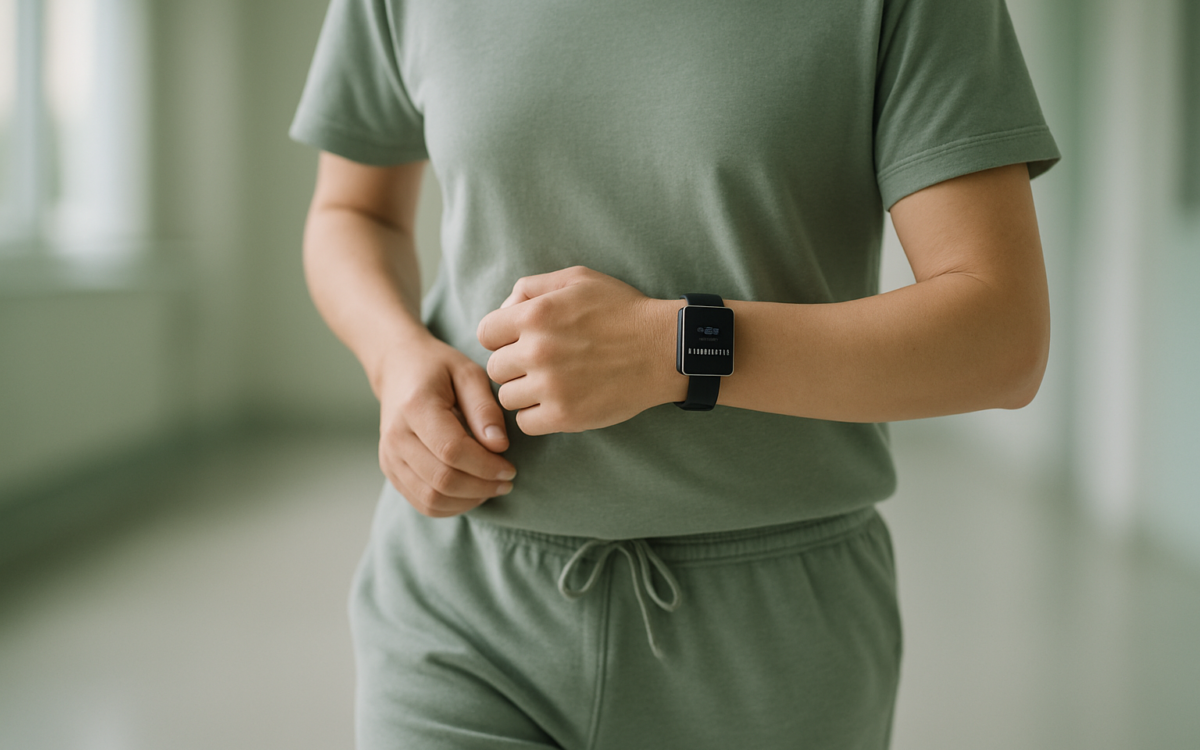
Walking is one of the simplest and most effective forms of exercise. It helps improve your cardiovascular health, aids in weight management, and boosts your mood. But have you ever considered how your walking heart rate plays a role in your overall fitness? Monitoring this aspect can provide valuable insights into your health and help you make the most of your walking routine.
What is a Walking Heart Rate?
Your walking heart rate is the number of times your heart beats per minute (bpm) while you’re walking. This measurement can differ greatly from one person to another, depending on factors such as age, fitness level, and the intensity of the walk. Tracking your heart rate can help you gauge how hard your body is working during various activities.
Why Monitor Your Walking Heart Rate?
Keeping an eye on your heart rate while walking offers several benefits:
- Assess Your Fitness Level: A lower resting heart rate typically suggests better cardiovascular health, while a higher heart rate during exercise may indicate improved fitness or a need for more effort.
- Optimize Your Workouts: Monitoring your heart rate can help you stay within a target zone, ensuring you’re exercising at an intensity that’s beneficial.
- Track Progress: By regularly recording your heart rate, you can track changes over time, noting improvements in fitness or endurance.
How to Measure Your Walking Heart Rate
Measuring your walking heart rate can be done easily using various methods:
1. Manual Measurement
You can manually check your heart rate by following these steps:
- Stop walking and find your pulse. You can locate this at your wrist (radial pulse) or neck (carotid pulse).
- Count the number of beats for 15 seconds and multiply by four to get your bpm.
2. Heart Rate Monitors
Many fitness trackers and smartwatches come equipped with heart rate monitors. These devices can give you real-time data about your heart rate throughout your walk.
3. Smartphone Apps
There are several smartphone apps available that use your phone’s sensors or need a compatible device. These can track your heart rate and even provide detailed reports about your exercise sessions.
Understanding Your Target Heart Rate Zone
Your target heart rate zone is the ideal heart rate range for maximizing the benefits of your workout. To determine your target heart rate:
- First, find your maximum heart rate by subtracting your age from 220.
- Your target heart rate zone is typically 50-85% of your maximum heart rate, depending on your fitness goals.
For example, if you are 30 years old, your maximum heart rate is 190 bpm (220 – 30). Thus, your target heart rate zone during moderate-intensity activities like walking would be approximately 95-133 bpm (50-70% of maximum), while high-intensity activities might aim for a range of 133-162 bpm (70-85%).
Factors That Influence Walking Heart Rate
Various factors can impact your walking heart rate:
- Fitness Level: Regular walkers tend to have a lower resting heart rate and may feel less exertion during exercise.
- Age: Generally, your heart rate decreases with age, and fitness levels vary across different age groups.
- Intensity of Activity: A brisk walk will elevate your heart rate more than a casual stroll.
- Environment: Factors like temperature, humidity, and altitude can affect how hard your body has to work, thereby influencing your heart rate.
How Walking Impacts Heart Health
Regular walking can have significant benefits for your heart health:
- Reduces Blood Pressure: Walking regularly helps lower blood pressure and can decrease your risk of heart disease.
- Improves Cholesterol Levels: Consistent walking can help increase good (HDL) cholesterol levels while lowering bad (LDL) cholesterol.
- Enhances Mental Well-being: Physical activity, like walking, is linked with reduced anxiety and depression and improved mood, partly due to the positive effects on the heart.
According to the CDC, regular physical activity can help control weight and improve overall health, including heart health.
When to See a Doctor
If you notice unusual heart patterns or experience symptoms such as extreme fatigue, chest pain, or shortness of breath during walks or other activities, it’s essential to consult your doctor. They can provide insight into possible underlying issues and guide you on how best to proceed with your fitness journey.
Conclusion
Tracking your walking heart rate can be a powerful tool for enhancing your fitness and understanding your heart health. By monitoring and adjusting your walking pace according to your heart rate, you can improve your overall well-being, boost your cardiovascular health, and achieve your fitness goals. Remember to listen to your body, and don’t hesitate to consult with your healthcare provider for personalized advice.
