
When it comes to strengthening your lower body, sumo squats stand out as a powerful exercise that not only builds muscle but also improves flexibility. By embracing a wider stance compared to traditional squats, sumo squats engage different muscle groups, making them a fantastic addition to your workout regimen. Whether you’re a fitness newbie, an experienced athlete, or someone just looking to enhance their home workouts, sumo squats offer a host of benefits that can elevate your fitness journey.
What Are Sumo Squats?
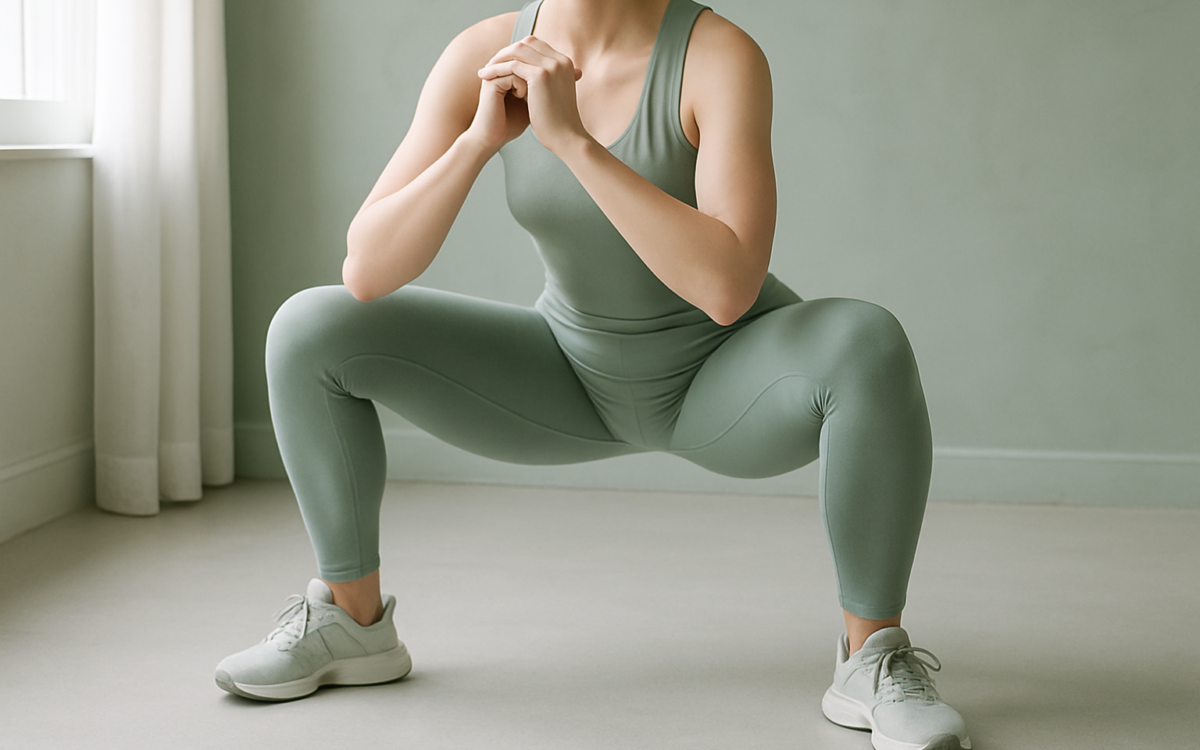
Sumo squats are a variation of the classic squat where you stand with your feet wider than shoulder-width apart and your toes pointed outwards. This stance not only targets your quadriceps, hamstrings, and glutes, but it also emphasizes your inner thigh muscles, known as adductors. This unique positioning leads to better flexibility and balance, as well as increased strength in your lower body.
Muscles Engaged During Sumo Squats
Understanding the muscles involved can enhance your motivation to incorporate sumo squats into your workouts:
- Quadriceps: These muscles at the front of your thigh are primarily engaged during the workout.
- Hamstrings: Located at the back, hamstrings work to stabilize your knees during the squat.
- Glutes: The gluteus maximus, medius, and minimus all help in extending and stabilizing the hip joint.
- Adductors: The inner thigh muscles help you maintain balance and are significantly activated due to the wide stance.
- Core Muscles: Your core engages to maintain stability and proper posture throughout the movement.
Benefits of Sumo Squats
Incorporating sumo squats into your fitness routine has numerous advantages:
- Improved flexibility: The wider stance allows for greater range of motion in your hips and lower back.
- Enhanced strength: As a compound exercise, sumo squats activate multiple muscle groups simultaneously, leading to better overall strength.
- Better balance: The engagement of core and stabilizing muscles can improve your overall balance and coordination.
- Injury prevention: Strengthening your lower body can help prevent injuries, particularly in the knees and hips.
- Convenience: Sumo squats can be performed almost anywhere, with or without added weights.
How to Perform Sumo Squats Correctly
Proper form is crucial to maximize benefits and minimize the risk of injury:
- Start position: Stand with your feet wider than shoulder-width apart. Angle your toes outward at about 45 degrees.
- Lowering: Keep your chest up, back straight, and lower your body as if you’re sitting back into a chair. Aim to lower your thighs parallel to the ground.
- Core engagement: Engage your core to maintain stability throughout the movement.
- Ascending: Push through your heels to return to the starting position, squeezing your glutes at the top.
Focus on performing 10-15 reps for 2-3 sets, adjusting the number according to your fitness level.
Variations of Sumo Squats
To keep your workouts exciting and challenging, consider these sumo squat variations:
- Weighted Sumo Squats: Hold a dumbbell or kettlebell in both hands, letting it hang between your legs as you squat.
- Sumo Squat Pulses: Once in the squat position, pulse up and down in a small motion for several reps to intensify the workout.
- Sumo Squat to Calf Raise: After rising from the squat, go up onto your toes to engage your calf muscles.
Common Mistakes to Avoid
Like any exercise, there are common mistakes that can reduce effectiveness and increase injury risk:
- Incorrect stance: Ensure your feet are wide enough and toes are angled to keep stress off your knees.
- Rounding the back: Maintain a neutral spine to prevent stiffness and reduce back injury risk.
- Letting knees cave in: Your knees should align with your toes to ensure proper form and prevent strain.
When to See a Doctor
If you experience persistent pain during or after performing sumo squats, or if you notice swelling or discomfort that doesn’t improve with rest, it may be a good idea to consult a healthcare professional. Listen to your body, and don’t push through pain.
Sumo squats can be a fantastic addition to any strength training program, providing unique benefits that traditional squats alone may not offer. Always consider consulting with a fitness expert or healthcare provider before starting a new exercise regime, especially if you have underlying health conditions.
