
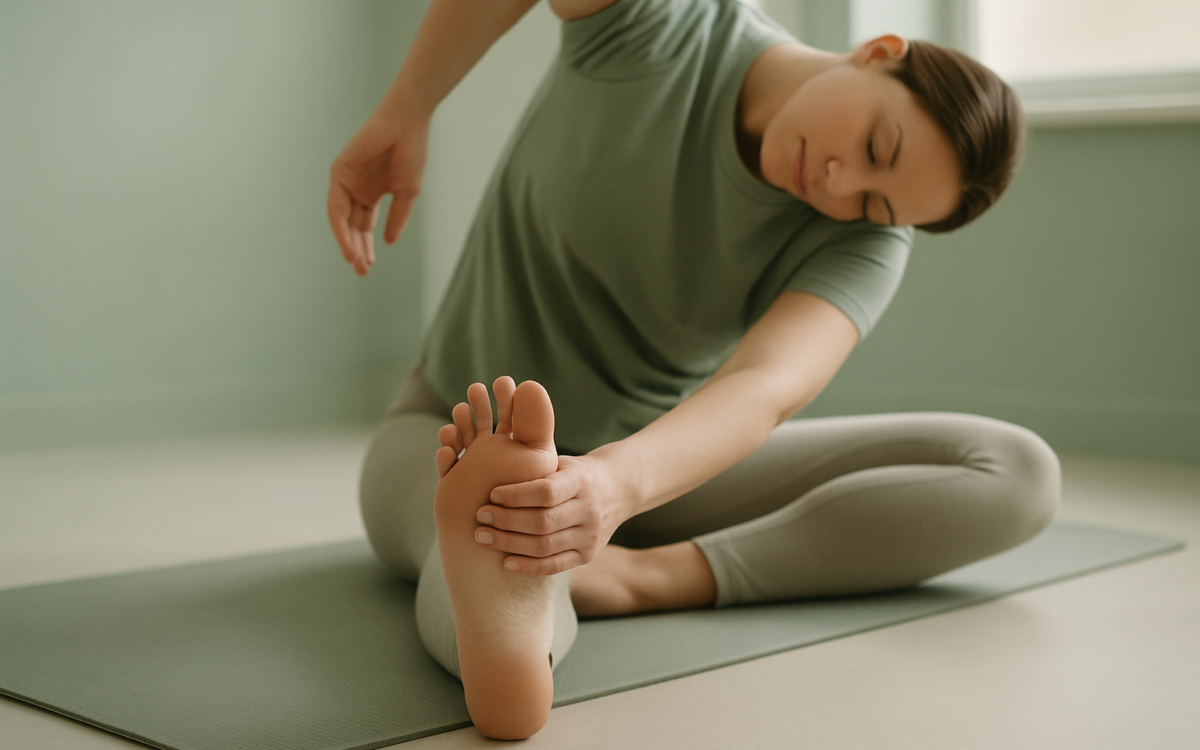
Stretching is often one of the most overlooked components of a fitness routine. Yet, incorporating body stretches into your daily life can lead to numerous benefits, from increased flexibility to reduced muscle tension. With just a few minutes of stretching each day, you can enhance your overall health and well-being.
Why Stretching Matters
Stretching is essential for maintaining the elasticity of muscles and connective tissues. Regular stretching can help improve your range of motion and flexibility, which are vital for overall functional movement. According to the National Institutes of Health, flexibility is integral to physical health as it allows individuals to perform everyday activities with ease.
The Benefits of Body Stretches
1. Improved Flexibility: One of the most obvious benefits of stretching is improved flexibility. Better flexibility can enhance performance in physical activities and may reduce the risk of injuries.
2. Enhanced Muscle Recovery: Stretching after exercise can help muscles recover more effectively. It allows for better blood flow, which can help clear metabolic waste and bring in nutrients for repair.
3. Reduced Stress: Engaging in regular stretching can also help reduce stress and promote relaxation. Many find that stretching, particularly in a mindful way, can be a calming experience.
4. Posture Improvement: Stretching can address muscle tightness that affects posture. When our muscles are balanced and strong, it promotes a more aligned and upright posture.
Types of Body Stretches
There are several types of stretches, and each serves a different purpose. Here are some common categories:
- Static Stretching: Involves holding a stretch for 15–60 seconds without movement. This is effective for increasing flexibility.
- Dynamic Stretching: Involves movement and helps prepare your body for physical activities. This type is often used as part of a warm-up routine.
- PNF Stretching: Proprioceptive Neuromuscular Facilitation involves a partner stretching the target muscle. It’s known for its effectiveness in improving muscle elasticity.
- Ballistic Stretching: Involves bouncing movements to push a muscle beyond its normal range. This should be done cautiously as it carries a risk of injury.
How to Incorporate Stretches into Your Routine
Start by assessing your current level of flexibility and mobility. Here’s a simple way to incorporate stretching:
Daily Stretching Routine
– Dedicate 10–15 minutes each day for stretching exercises. You can do this in the morning to start your day or in the evening to unwind.
Warm-Up and Cool Down
– Use dynamic stretches as part of your warm-up routine before exercising. After your workout, engage in static stretches to aid recovery.
Stretching Classes
– Consider joining a yoga or Pilates class where stretching is a core component. These practices not only improve flexibility but can also enhance your mental focus.
Consider International Perspectives
– If you’re exploring treatment options abroad, you might consider programs that emphasize holistic methods, including stretching and physical therapy. For those seeking options outside their home country, international patient services can provide valuable resources for accessing these therapeutic approaches.
Effective Stretching Techniques
Here are a few specific stretches you can easily try at home:
1. Neck Stretch
Gently tilt your head to one side, bringing your ear towards your shoulder. Hold for 15–30 seconds and switch sides.
2. Shoulder Stretch
Extend one arm across your body and use the opposite arm to pull it closer. Hold for 15–30 seconds and repeat on the other side.
3. Hamstring Stretch
While seated, extend one leg straight and reach towards your toes. Hold for 15–30 seconds and switch legs.
4. Hip Flexor Stretch
In a lunge position, keep one foot forward and the other knee on the ground. Gently push your hips forward to feel the stretch. Hold for 15–30 seconds and switch legs.
Best Practices for Stretching Safely
To maximize benefits and minimize risks while stretching, keep these safety tips in mind:
- Warm-Up First: Always warm up your muscles with light activity before stretching.
- Listen to Your Body: Stretch only to the point of mild tension, not pain.
- Stay Consistent: Regular stretching is more effective than sporadic prolonged sessions.
- Focus on Breath: Maintain calm, even breathing throughout each stretch. This helps with relaxation and effectiveness.
When to See a Doctor
If you experience persistent pain, severe discomfort, or limited range of motion despite regular stretching, it may be time to consult a healthcare professional. They can provide guidance tailored to your needs and assess for any underlying conditions.
Conclusion
Body stretches play a vital role in enhancing flexibility, recovery, and overall health. By incorporating various stretching techniques into your routine, you can unlock a new level of mobility and wellness. Remember to listen to your body and consult a healthcare provider if you have any concerns. Start stretching today for a healthier tomorrow!
