
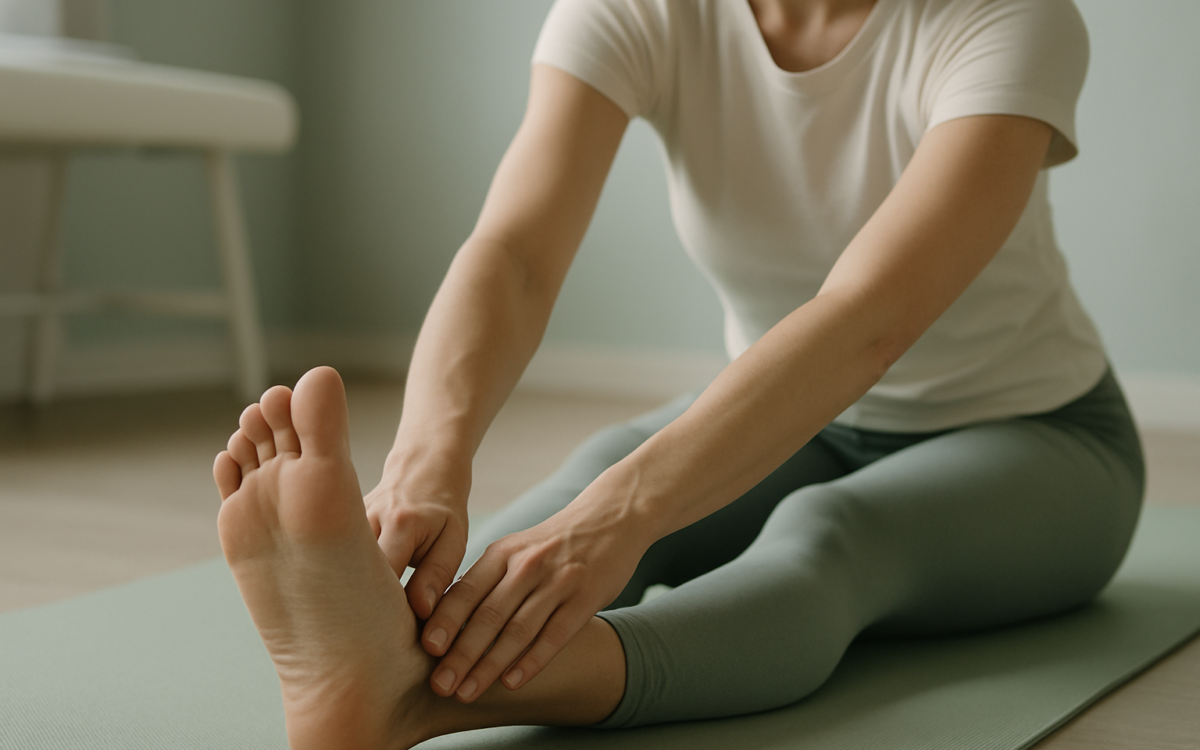
Flexibility is an essential aspect of overall physical health. It allows your body to move freely and efficiently while reducing the risk of injury. Whether you’re an athlete, a weekend warrior, or simply someone looking to move more comfortably, improving your flexibility can lead to numerous benefits. This article will guide you through practical strategies to enhance your flexibility and integrate them into your daily life.
Understanding Flexibility
Flexibility refers to the range of motion of your joints and muscles. Everyone has a unique level of flexibility influenced by genetics, age, and activity level. As we age, our body becomes stiffer, which can make everyday activities more difficult. Improving flexibility can enhance your overall performance in physical activities, promote better posture, and decrease the risk of strains and injuries. For a deeper understanding of the benefits of flexibility, you can refer to sources like the National Institutes of Health (NIH).
Importance of Warm-Up
Before diving into stretching or flexibility exercises, warming up is crucial. A warm-up raises your heart rate and increases blood flow to your muscles, preparing them for movement. This step reduces the risk of injury and improves the effectiveness of your stretching routine. Here are some effective warm-up activities:
- Light jogging in place for 5-10 minutes
- Using dynamic stretches such as arm circles or leg swings
- Gentle activities like walking or cycling
Types of Stretching
There are several types of stretches you can perform to improve flexibility. Understanding the differences can help you choose the right approach:
Static Stretching
This involves holding a stretch for a prolonged period, usually between 15-60 seconds. This is best done after exercise when your muscles are warm. Examples include touching your toes, holding a quadriceps stretch, or a shoulder stretch.
Dynamic Stretching
Dynamic stretches prepare your muscles for activity through controlled movements. They are best done during your warm-up. Examples include walking lunges, leg swings, and high knees.
PNF Stretching
Proprioceptive Neuromuscular Facilitation (PNF) stretching involves a cycle of stretching and contracting the muscle being targeted. This technique is often done with a partner and is highly effective at increasing flexibility.
Incorporating Flexibility Exercises into Your Routine
Here are some easy ways to include flexibility exercises into your daily life:
Create a Routine
Consistency is key! Aim to dedicate at least 10-15 minutes each day to flexibility exercises. You can incorporate these into your morning routine, post-workout cool down, or even during breaks at work.
Explore Yoga and Pilates
Yoga and Pilates are excellent for improving flexibility while promoting strength and balance. Consider joining a class or following online tutorials to get started. Poses that target flexibility include the downward-facing dog, pigeon pose, and various stretches in Pilates.
Use Resources Wisely
Many online platforms and apps offer guided stretching routines. These resources can provide structure and help you stay motivated as you work on your flexibility.
Listen to Your Body
While stretching is beneficial, it’s important to listen to your body. Avoid pushing yourself to the point of pain, as this can lead to injury. A good rule of thumb is to aim for mild tension in your muscles, not sharp pain. Remember that flexibility improvements take time, so be patient with your progress.
Staying Motivated
Staying flexible is a journey that requires consistency and motivation. Here are some tips to keep you engaged:
- Keep a stretching journal to track your progress and celebrate small victories
- Set attainable goals, such as being able to touch your toes or perform a specific yoga pose
- Work out with a friend or join a group class for accountability and encouragement
When to See a Doctor
If you’re experiencing chronic pain, stiffness, or limited range of motion, it’s essential to consult a healthcare professional. Conditions like arthritis or muscle imbalances may require a tailored approach to your flexibility routine. Reach out to your doctor if:
- You experience persistent pain during stretching
- Your mobility seems to be declining
- You have a history of injuries affecting your movement
Conclusion
Improving your flexibility can enrich your life in many ways, from enhancing physical performance to promoting relaxation. By implementing a consistent routine that incorporates a variety of stretching techniques and listening to your body’s needs, you can gradually increase your flexibility and enjoy better overall mobility. Remember to consult with a healthcare professional if you have any concerns, and always prioritize your safety as you embark on this journey toward a more flexible you!
