
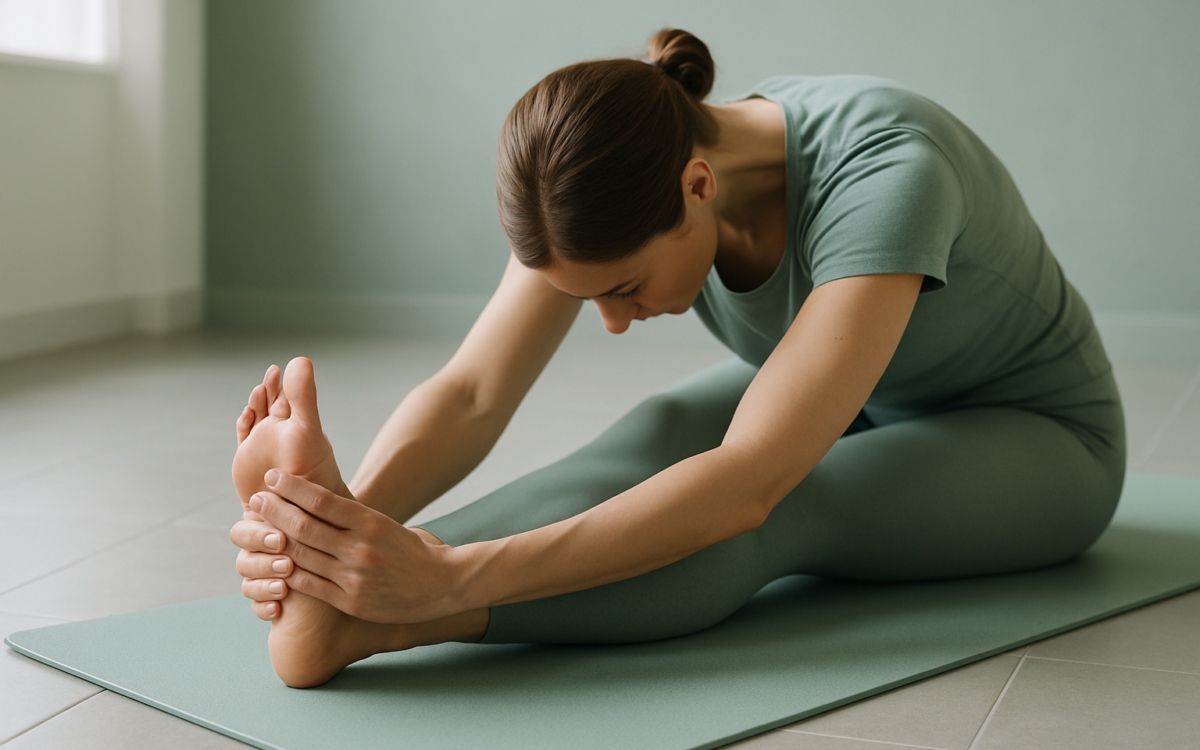
Many of us lead busy lives filled with work, errands, and family commitments. In this fast-paced world, it’s easy to neglect our physical well-being. One of the simplest yet most effective ways to improve your overall health is by incorporating stretching into your daily routine. Stretching enhances flexibility, which can lead to better movement and overall fitness. It also helps prevent injuries and can ease muscle tension.
Understanding Flexibility
Flexibility refers to the range of motion in your joints and muscles. Having good flexibility can help improve your posture, balance, and coordination. It’s especially important for athletes and those engaging in physical activities. As we age, our muscles and joints can become stiffer, making it crucial to focus on maintaining flexibility through regular stretching exercises.
The Benefits of Stretching
Engaging in regular stretching offers numerous benefits. Here are some key advantages:
- Improved Range of Motion: Stretching can enhance your joints’ ability to move, contributing to better athletic performance.
- Reduced Risk of Injury: Proper stretching can help to warm up your muscles and prepare them for more strenuous activity, which may help prevent injuries.
- Decreased Muscle Tension: Stretching can alleviate tightness in muscles and promote relaxation, which is beneficial for reducing stress.
- Enhanced Blood Circulation: Stretching increases blood flow to your muscles, which can speed up recovery from workouts.
Essential Stretching Exercises for Flexibility
Now let’s dive into some of the best stretching exercises to enhance your flexibility. These stretches can easily be done at home and should be included in your regular fitness routine.
1. Neck Stretch
To perform this stretch, sit or stand comfortably. Gently tilt your head to one side, bringing your ear toward your shoulder. Hold this position for 15-30 seconds, feeling the stretch along the opposite side of your neck. Repeat on the other side. This stretch helps relieve tension in your neck and shoulders.
2. Shoulder Stretch
For this stretch, extend one arm across your body at shoulder height. Use your other arm to gently push your extended arm toward your chest. Hold this position for 15-30 seconds and switch sides. This stretch is effective for releasing shoulder tightness and improving upper body flexibility.
3. Chest Opener
Stand tall with your feet shoulder-width apart. Clasp your hands behind your back and straighten your arms. Lift your arms slightly and open up your chest, squeezing your shoulder blades together. Hold this position for 15-30 seconds. This stretch counteracts the hunching posture many of us adopt when sitting.
4. Standing Hamstring Stretch
While standing, place one heel on a low surface (like a chair or table) with your leg straight. Flex your foot to feel the stretch in your hamstring. Keep your back straight as you lean forward slightly. Hold for 15-30 seconds on each leg. This stretch helps improve flexibility in the back of your legs.
5. Quadriceps Stretch
While standing, grab your ankle behind you with your hand, pulling your heel toward your buttock. Keep your knees close together and push your hips slightly forward for a deeper stretch. Hold for 15-30 seconds, then switch legs. This stretch is essential for flexibility in the front of your thighs.
6. Butterfly Stretch
Sit on the floor with the soles of your feet together, allowing your knees to drop to the sides. Hold your feet with your hands and gently press your knees down towards the floor. Hold this stretch for 15-30 seconds. It effectively opens up your hips and inner thighs.
Creating a Stretch Routine
To reap the maximum benefits of these stretches, consider creating a dedicated routine. It’s best to stretch after a workout when your muscles are warm, but you can also do these stretches at any time during the day. Aim to include stretching exercises at least three times a week for optimal results.
Here’s a simple routine to follow:
- Neck Stretch – 15-30 seconds each side
- Shoulder Stretch – 15-30 seconds each side
- Chest Opener – 15-30 seconds
- Standing Hamstring Stretch – 15-30 seconds each leg
- Quadriceps Stretch – 15-30 seconds each leg
- Butterfly Stretch – 15-30 seconds
When to See a Doctor
If you experience significant pain while stretching or if you find it increasingly difficult to move your joints, it may be time to consult a healthcare professional. Pain can be an indication of underlying conditions that may require attention. For more information on flexibility and injury prevention, visit NIH or the Mayo Clinic.
Conclusion
Incorporating stretching into your daily routine is a simple yet effective way to enhance flexibility, improve your overall health, and prevent injuries. With just a few minutes of stretching each day, you can unlock your body’s potential to move freely and comfortably. Remember to listen to your body and consult a healthcare provider if you have any concerns about your flexibility or experience pain while stretching. Happy stretching!
