
In today’s fast-paced world, many of us neglect the importance of stretching. Stretching is not just about touching your toes or reaching for the sky. It’s a key component of maintaining overall health and wellbeing. Engaging in complete body stretching exercises can improve your flexibility, reduce muscle tension, and enhance your posture. Whether you’re an athlete, a desk worker, or someone simply looking to enjoy more freedom of movement, stretching can play an essential role in your daily routine.
Why Stretching Matters
Stretching is beneficial for everyone, regardless of age or fitness level. Here are some compelling reasons to incorporate it into your routine:
- Improves Flexibility: Regular stretching increases your range of motion, helping you to move more freely and perform everyday activities with ease.
- Reduces Muscle Tension: Stretching helps to release tight muscles, which can alleviate discomfort and reduce the risk of injury.
- Enhances Circulation: Stretching promotes blood flow to your muscles, aiding in recovery and overall vitality.
- Supports Mental Health: Taking time to stretch can act as a form of mindfulness, reducing stress and promoting relaxation.
Understanding Different Types of Stretching
There are different types of stretching techniques to consider, each offering unique benefits:
- Dynamically: Dynamic stretching involves movement and is often used as part of a warm-up routine before exercise. Examples include leg swings or torso twists.
- Statically: Static stretching is best performed after physical activity when muscles are warm. This technique involves holding a position, such as bending forward to touch your toes, for about 15-30 seconds.
- Ballistic: This form of stretching uses rapid and bouncy movements to push muscles beyond their normal range of motion. However, it’s less recommended for beginners as it carries a risk of injury.
Complete Body Stretching Routine
This simple stretching routine covers all major muscle groups and can be performed in about 15-20 minutes. It works best when practiced regularly, ideally every day or at least three times a week.
1. Neck Stretch
Start by sitting or standing comfortably. Gently tilt your head to one side, bringing your ear towards your shoulder. Hold for 15-30 seconds and repeat on the other side.
2. Shoulder Stretch
Bring one arm across your body at shoulder height. Use your other arm to pull it closer to your chest. Hold for 15-30 seconds on each side.
3. Chest Stretch
Stand tall, clasp your hands behind your back, and straighten your arms. Lift your hands slightly, feeling the stretch across your chest. Hold for 15-30 seconds.
4. Side Stretch
Stand with feet shoulder-width apart. Reach one arm overhead and lean toward the opposite side. Hold for 15-30 seconds and switch sides.
5. Hamstring Stretch
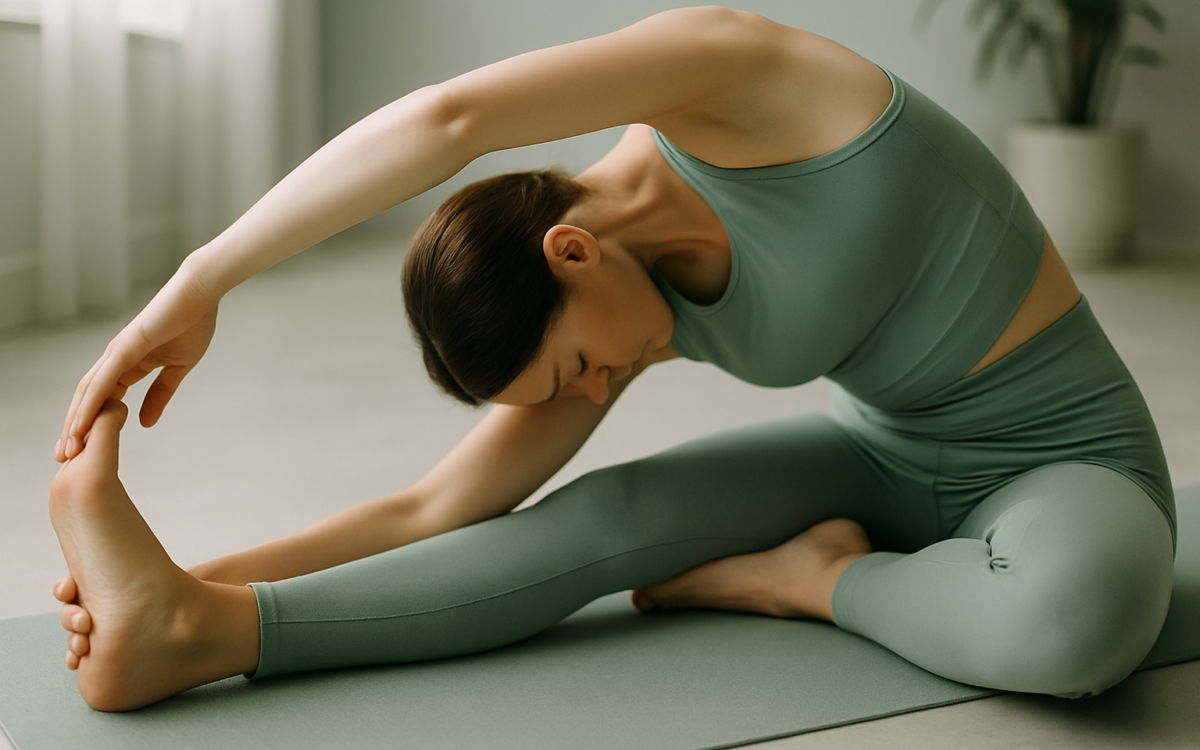
Sit on the floor with one leg extended and the other bent. Reach towards the toes of your extended leg. Hold for 15-30 seconds and switch legs.
6. Quadriceps Stretch
Stand and hold onto a wall for balance. Bend one knee and bring your foot towards your buttocks. Hold your ankle to stretch the front of your thigh. Hold for 15-30 seconds and switch sides.
7. Calf Stretch
Stand facing a wall, placing your hands on it. Step one foot back, keeping it straight and the heel on the ground. Bend your front knee until you feel a stretch in the back leg. Hold for 15-30 seconds and switch sides.
Tips for Effective Stretching
To maximize the effectiveness of your stretching routine, consider these tips:
- Warm Up First: Always do a light warm-up to increase blood flow to your muscles before stretching.
- Listen to Your Body: Never push yourself into pain. Stretching should feel good, not uncomfortable.
- Consistency is Key: Make stretching a regular part of your routine for the best results.
When to See a Doctor
If you experience persistent pain or discomfort while stretching or if you have an existing injury, consider consulting a healthcare professional. They can provide tailored advice and ensure you’re engaging in safe practices. Regular check-ups can also help you maintain overall musculoskeletal health. For more information, visit NIH or Mayo Clinic.
Conclusion
Incorporating complete body stretching exercises into your routine can lead to improved flexibility, reduced tension, and better overall well-being. Whether you’re looking for a way to start or end your day, stretching can provide a moment of calm amidst the chaos. Remember to listen to your body and enjoy the process of becoming more flexible and centered.
