
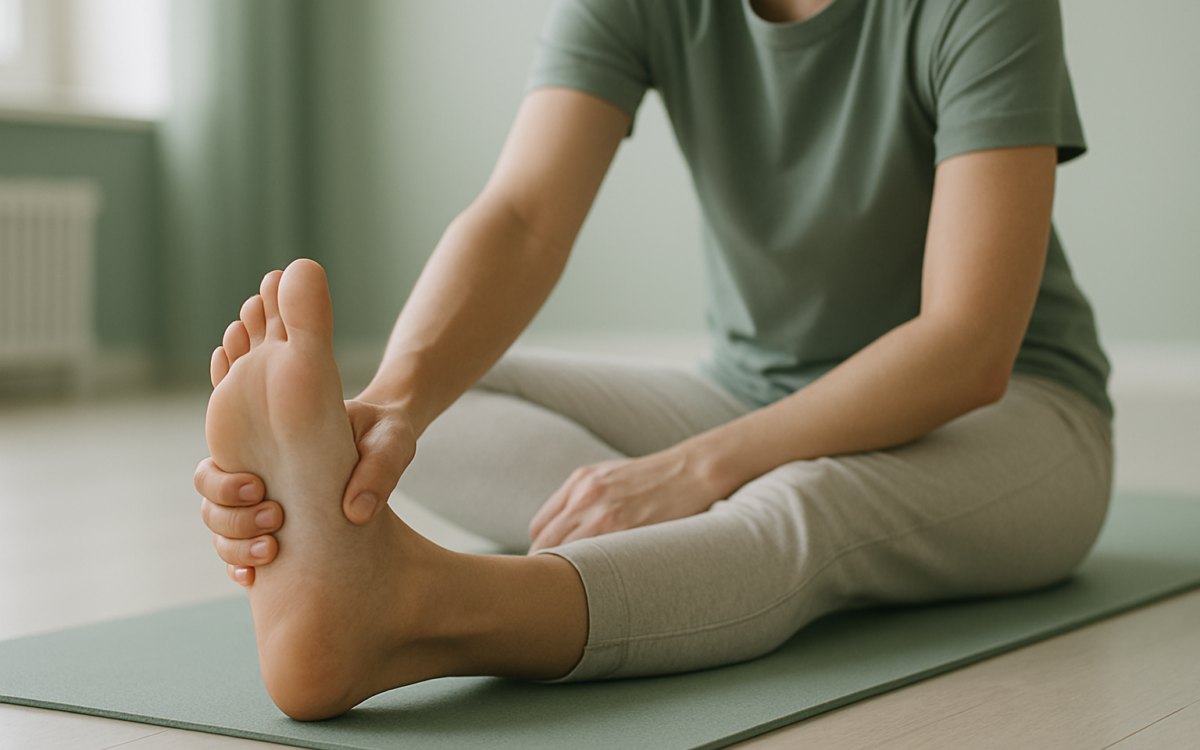
Stretching is a simple yet powerful way to improve flexibility, enhance mobility, and prevent injuries. Whether you’re an athlete, a regular gym-goer, or just someone looking to feel better in daily activities, incorporating some good leg stretches into your routine can make a world of difference. This article will guide you through several effective leg stretches, benefiting your muscles and joints.
Understanding the Benefits of Leg Stretches
Before diving into specific stretches, it’s helpful to understand why stretching your legs is crucial. Regular stretching can:
- Enhance flexibility and range of motion
- Reduce muscle tension and promote relaxation
- Improve athletic performance
- Decrease the risk of injuries
- Improve circulation and oxygen flow to muscles
According to the National Institutes of Health, stretching can significantly impact both physical and mental well-being.
The Best Leg Stretches to Try
Here are some effective stretches that target various leg muscles:
1. Hamstring Stretch
The hamstrings are the muscles on the back of your thighs. They play a critical role in walking, running, and bending the knees. A tight hamstring can lead to discomfort and limit your mobility.
To perform a hamstring stretch:
- Stand and place your right foot on an elevated surface (like a chair or low table).
- Keep your leg straight, and gently lean forward from your hips until you feel a stretch along the back of your thigh.
- Hold for 15-30 seconds, then switch legs.
2. Quadriceps Stretch
This stretch targets the quadriceps muscles located at the front of your thighs. Tight quads can lead to knee pain and discomfort.
To perform a quadriceps stretch:
- Stand on one leg and grab the ankle of the opposite leg, pulling your heel toward your buttock.
- Keep your knees close together and push your hips slightly forward.
- Hold for 15-30 seconds, then switch legs.
3. Calf Stretch
Your calves are crucial for walking and other physical activities. A well-stretched calf can prevent cramps and improve performance.
To perform a calf stretch:
- Stand facing a wall, about an arm’s length away.
- Place your hands on the wall and step back with one foot, keeping it straight.
- Bend your front knee and press your back heel down into the ground.
- Hold for 15-30 seconds, then switch legs.
4. Inner Thigh Stretch
This stretch targets the adductor muscles of the inner thigh, helping to improve flexibility and prevent strains.
To perform an inner thigh stretch:
- Sit on the floor with your legs extended in front of you.
- Open your legs wide and lean forward gently while keeping your back straight.
- Hold the stretch for 15-30 seconds.
5. Hip Flexor Stretch
The hip flexors connect your legs to your torso and can become tight from prolonged sitting. Stretching them improves your stride and overall mobility.
To perform a hip flexor stretch:
- Start in a lunge position, with your right foot forward and left knee on the ground.
- Push your hips forward and hold the stretch for 15-30 seconds.
- Switch sides and repeat.
Incorporating Stretches into Your Routine
To reap the full benefits of leg stretches, aim to include them as part of your regular routine. Here are some practical tips:
- Warm Up First: Always warm up your muscles with light activity, like walking or jogging, before stretching.
- Stretch Daily: Consistency is key. Try to find a time each day to dedicate to your stretches.
- Listen to Your Body: Never push yourself to the point of pain. Stretch until you feel mild tension, then hold.
According to the World Health Organization, regular physical activity, including rehabilitation through stretching, can improve overall health.
When to See a Doctor
If you experience persistent pain, discomfort, or limited mobility in your legs, it’s essential to consult a healthcare professional. They can assess whether there could be an underlying issue that needs attention. Similarly, if stretching causes any unusual pain or discomfort, it’s advisable to stop and seek guidance.
Conclusion
Good leg stretches are vital for maintaining flexibility, preventing injuries, and improving overall leg health. By regularly incorporating these stretches into your daily routine, you can enjoy a more active lifestyle while reducing the risk of injury. Listen to your body, maintain consistency, and you’ll be on your way to feeling better in no time!
