
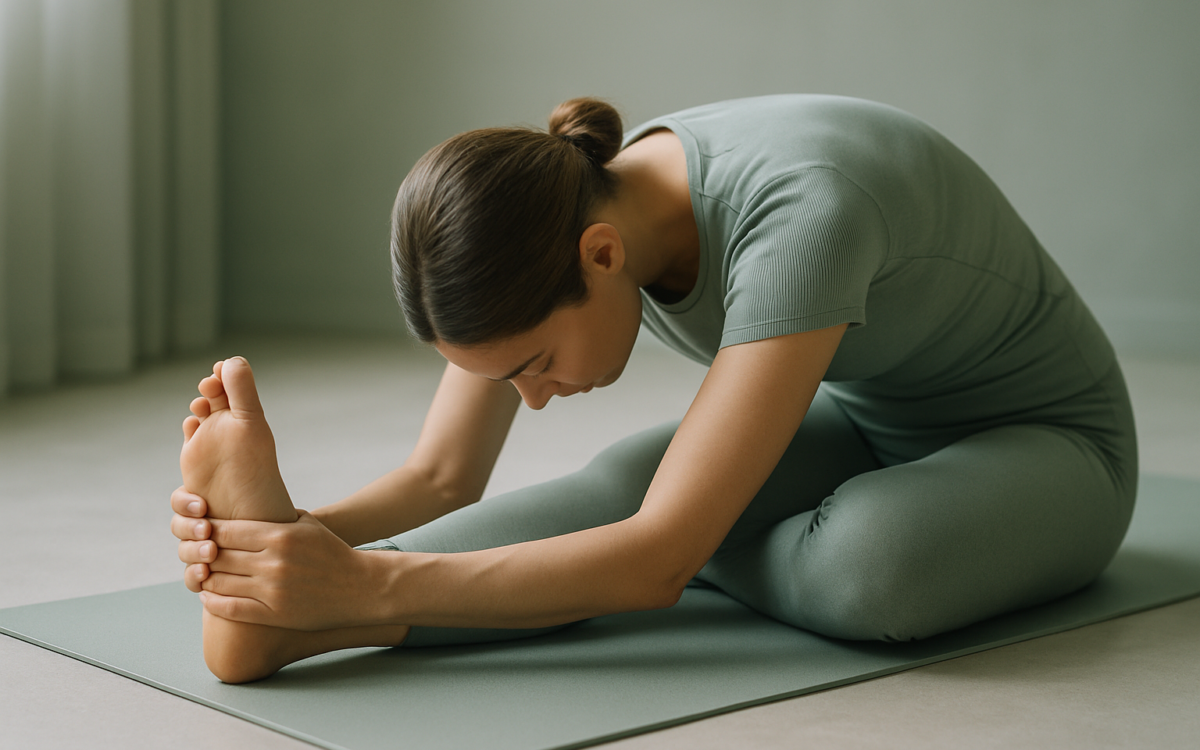
Flexibility is often overlooked in fitness routines, yet it plays a crucial role in our overall health and well-being. Incorporating flexibility workout exercises into your routine can improve your range of motion, reduce the risk of injuries, and enhance performance in other physical activities. This article will explore various flexibility exercises, how to incorporate them into your workout, and the benefits they offer.
Understanding Flexibility
Before diving into specific exercises, it’s important to understand what flexibility means. Flexibility is the ability of joints to move through their full range of motion. This mobility is essential for performing everyday activities, such as bending, lifting, and reaching. Regular flexibility training works to elongate muscles, which improves circulation and promotes relaxation—allowing your body to combat tension more effectively.
Benefits of Flexibility Workout Exercises
Incorporating flexibility exercises into your routine offers a range of benefits, including:
- Improved performance: Enhanced flexibility can lead to better overall performance in physical activities, from sports to daily chores.
- Reduced risk of injury: Flexible muscles help prevent strains and sprains, keeping you fit and active.
- Post-workout recovery: Stretching helps the muscles recover and can alleviate soreness after intense exercise.
- Better posture: Regular stretching can promote greater balance and alignment in your body.
- Stress relief: Flexibility exercises often promote relaxation, helping to reduce stress levels.
Types of Flexibility Exercises
Flexibility training can be categorized into several types. Below are some popular options:
Static Stretching
This involves stretching a muscle to its farthest point and holding that position for a period of time, usually between 15 to 60 seconds. Examples include:
- Hamstring stretch: Sit down, extend one leg while bending the other, and reach toward your toes.
- Quadriceps stretch: Standing on one leg, pull the other foot towards your buttocks.
Dynamic Stretching
Dynamic stretches involve movement and help increase blood flow and mobility. They’re great for warming up before workouts. Examples include:
- Leg swings: Swing one leg forward and backward, gradually increasing the range.
- Torso twists: Stand with feet shoulder-width apart and rotate your upper body side to side.
Ballistic Stretching
This type of stretching uses force or momentum to push muscles beyond their normal range, which can be risky without proper technique. It’s less commonly recommended for the general population but can be useful for specific sports training.
Proprioceptive Neuromuscular Facilitation (PNF)
PNF stretching involves both stretching and contracting the muscle being targeted. It’s often performed with a partner but can also be done individually. For example:
- Hamstring PNF stretch: Use a strap to hold your leg in a stretched position, tensing and relaxing the muscle in cycles.
How to Create a Flexibility Routine
Creating a balanced flexibility routine involves considering your current fitness level, goals, and available time. Here’s a simple approach:
- Assess your flexibility: Identify areas of tightness or discomfort in your body.
- Choose a variety of exercises: Select exercises that target different muscle groups, ensuring a well-rounded routine.
- Schedule your sessions: Aim to incorporate flexibility workouts at least three times a week, ideally after strength training or cardio sessions. You can also dedicate specific time for flexibility work on rest days.
- Listen to your body: Don’t push through pain; gentle stretching should feel good and improve over time.
Incorporating Flexibility Workouts into Your Day
Flexibility training doesn’t always have to happen in a designated workout session. Here are some easy ways to integrate stretching into your day:
- Morning routine: Spend a few minutes stretching in the morning to wake up your muscles and joints.
- During breaks: Stand up and stretch during long periods of sitting at a desk or in the car.
- Post-exercise: Always cool down after workouts with stretching to enhance recovery.
When to See a Doctor
If you experience persistent pain or discomfort during flexibility workouts or while performing daily activities, it’s important to consult a healthcare provider. Conditions such as muscle strains, arthritis, or other underlying health issues may require professional evaluation and treatment. More information about when to seek help can be found at sources like the Mayo Clinic.
Conclusion
Incorporating flexibility workout exercises into your fitness routine is an invaluable way to improve your mobility, prevent injuries, and enhance your overall quality of life. These exercises are suitable for everyone, regardless of age or fitness level. So, roll out your mat, stretch it out, and unlock your body’s true potential!
