
Have you ever watched a gymnast effortlessly bend and twist their body? Or have you noticed how some people seem to move with grace and ease? Flexibility is more than just a fascinating physical trait; it’s an essential component of overall health and fitness. Enhancing your flexibility can improve your range of motion, reduce the risk of injuries, and even help manage stress. In this article, we will explore practical ways to increase your flexibility and incorporate these tips into your daily routine.
Understanding Flexibility
Flexibility refers to the ability of your muscles, ligaments, and tendons to stretch and move joints through their full range of motion. Factors influencing flexibility include age, gender, and physical activity level. As we age, our bodies naturally become less flexible due to changes in muscle elasticity and joint structure. However, by actively working on flexibility, we can counteract this decline and promote better mobility.
The Importance of Flexibility
Improving flexibility comes with a host of benefits:
- Injury Prevention: Flexible muscles can absorb impact and reduce the risk of injuries during physical activities.
- Enhanced Performance: Greater flexibility can lead to improved athletic performance, whether you are a casual jogger or an avid sports player.
- Better Posture: Flexibility in your muscles and joints can help promote more aligned posture, reducing back pain and other musculoskeletal issues.
- Stress Relief: Many flexibility exercises, such as stretching and yoga, help reduce tension and promote relaxation.
Simple Stretches to Improve Flexibility
Incorporating stretching routines into your daily life can greatly enhance your flexibility. Here are a few easy and effective stretches to get you started:
1. Forward Bend
This stretch targets the hamstrings and lower back. Stand with your feet hip-width apart. Slowly bend forward at your hips, reaching toward your toes. Keep your knees slightly bent if necessary. Hold this position for 15 to 30 seconds, feeling the stretch in your legs and back.
2. Butterfly Stretch
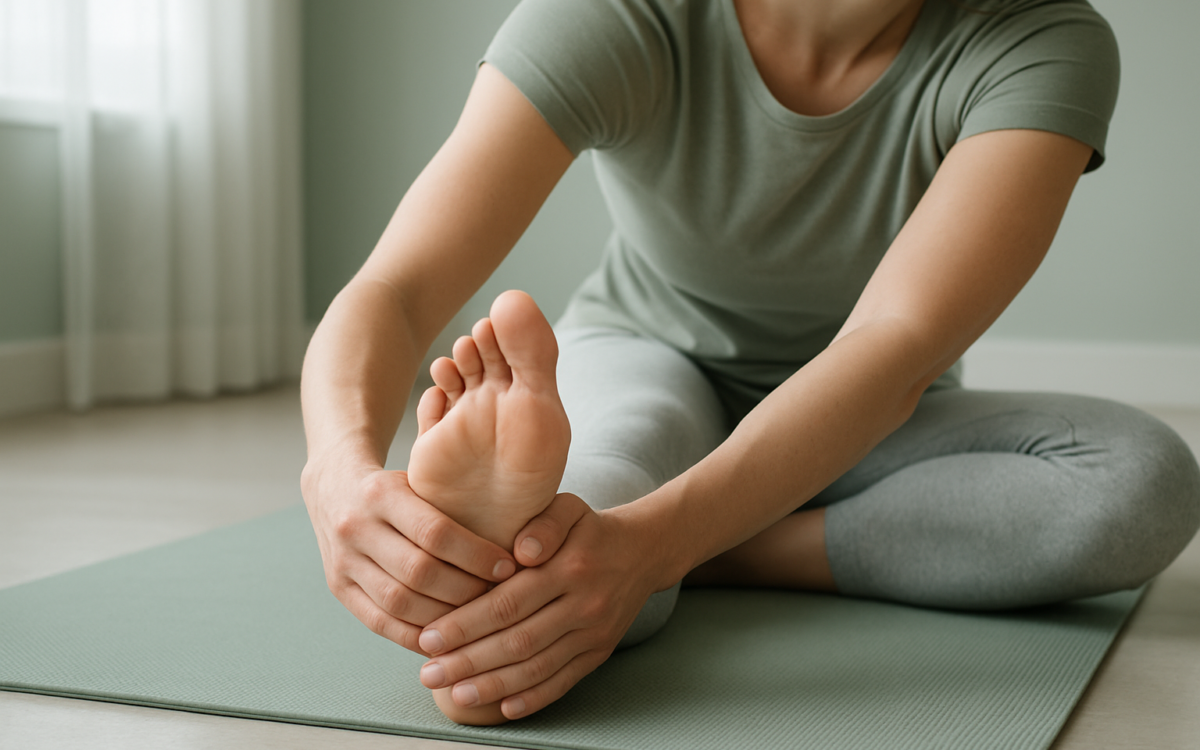
Sitting on the floor, bring the soles of your feet together, letting your knees fall to the sides. Hold your feet with your hands and gently press your knees down to deepen the stretch in your inner thighs. Hold this stretch for 15 to 30 seconds.
3. Cat-Cow Stretch
This dynamic stretch is perfect for the spine and promotes flexibility in the back. Start on all fours with your wrists under your shoulders and knees under your hips. Inhale, arching your back and tilting your head up (Cat). Exhale, rounding your spine while tucking your chin to your chest (Cow). Repeat this movement 5 to 10 times.
Integrating Flexibility Training into Your Routine
To reap the benefits of flexibility training, you need to be consistent. Here are some suggestions on how to incorporate flexibility work into your daily life:
Set a Schedule
Designate specific times in your week for flexibility exercises. Whether it’s during your morning routine, before bed, or after your workout, having a set schedule helps make stretching a habit.
Join a Class
Participating in a group class, such as yoga or Pilates, can improve your flexibility while also providing social benefits. These classes guide you through effective techniques and help motivate your practice.
Use Technology
Many apps and online videos offer guided stretching routines that can cater to all levels of flexibility. Using these resources can keep your workout fresh and engaging.
Mindfulness and Breathing Techniques
Being mindful during your stretches can enhance the benefits and improve your overall experience. Here are some techniques to consider:
Focus on Your Breath
Inhale deeply before you stretch; as you exhale, slowly move deeper into the stretch. This process helps relieve tension and aids relaxation.
Practice Mindfulness
Pay attention to how your body feels during each stretch. Being in tune with your body can help you recognize when to push a little further and when to ease up.
Maintaining Your Progress
To ensure lasting flexibility gains, focus on maintaining your progress through regular practice and mindful awareness:
- Track Your Progress: Keeping a journal of your flexibility activities can highlight progress over time, helping you stay motivated.
- Vary Your Routine: Don’t be afraid to change your stretches or try new activities to keep things interesting.
- Listen to Your Body: If a stretch feels uncomfortable or painful, stop and reassess. Flexibility training should challenge you, but it should not cause pain.
When to See a Doctor
If you experience persistent pain or discomfort during stretching exercises, or if you have suffered an injury that limits your flexibility, consider consulting a healthcare professional. It’s crucial to rule out any underlying issues that may need special attention. Visit reputable sources like the Mayo Clinic or the National Institutes of Health for more information on flexibility-related health matters.
Flexibility is a vital component of overall health and fitness. By incorporating simple stretches, maintaining consistency, and being mindful of your body, you can enhance your flexibility and enjoy a more active, fulfilling life. Remember to listen to your body, progress at your own pace, and above all, have fun with your journey towards better flexibility.
