
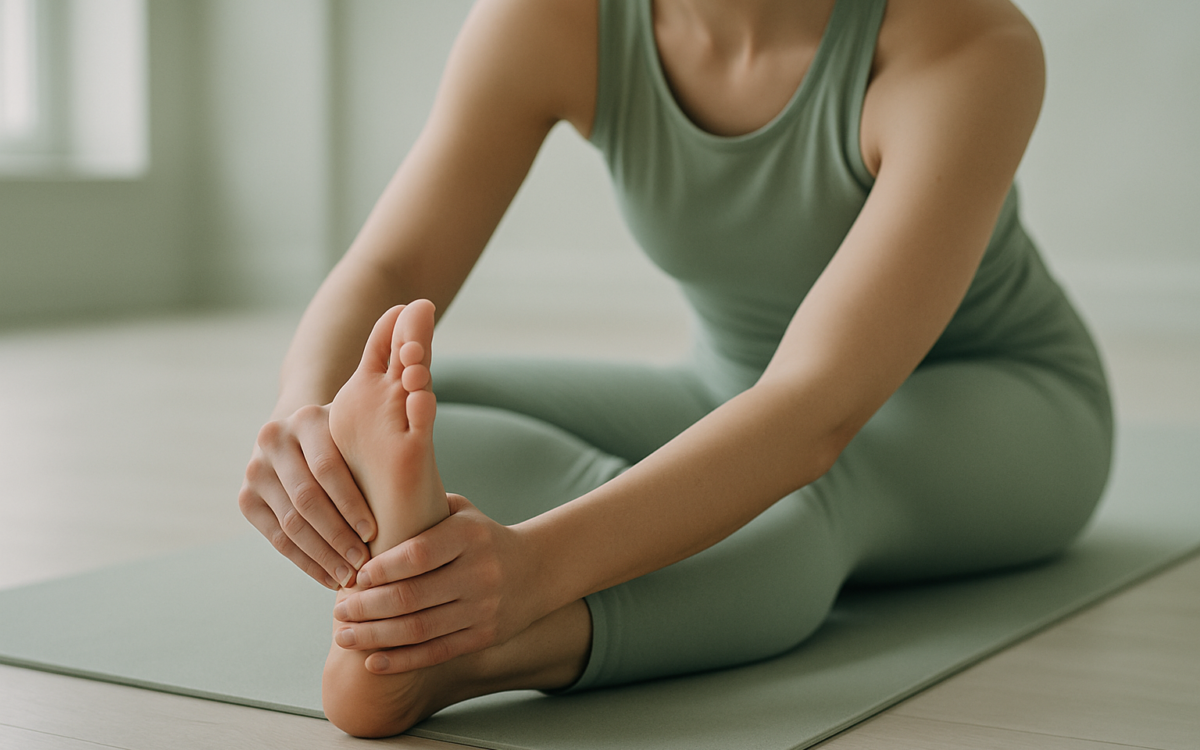
Flexibility is an often-overlooked component of overall fitness, yet it plays a crucial role in maintaining a healthy and active lifestyle. Whether you’re an athlete, a weekend warrior, or someone just starting their fitness journey, flexibility stretch exercises can help you improve your range of motion, prevent injuries, and enhance your overall performance. In this article, we’ll explore the benefits of flexibility stretches, various types of stretches, and how to safely incorporate them into your routine.
The Importance of Flexibility
Flexibility refers to the range of motion available at your joints and the ability of your muscles to elongate. Regular flexibility stretch exercises can:
- Enhance Performance: Improved flexibility can boost athletic performance by increasing the range of motion, which is essential for various physical activities.
- Prevent Injuries: Stretching helps to loosen tight muscles, reducing the risk of strains and sprains.
- Improve Posture: Flexibility can contribute to better posture by allowing your body to align itself more effectively.
- Relieve Pain: Regular stretching can help alleviate discomfort in areas like the back and hips.
Consider flexibility as the oil that keeps the gears of your body running smoothly. When joints and muscles are flexible, you help ensure your body can move efficiently and effectively.
Types of Stretching Techniques
Understanding the types of stretching available can help you determine which methods are best suited to your routine. Here are the most common types:
- Static Stretching: This involves holding a stretch for a fixed period, usually between 15 to 60 seconds. Static stretches are best performed after a workout to cool down and enhance flexibility.
- Dynamic Stretching: These are controlled movements that prepare the muscles for activity. Dynamic stretching is ideal as part of a warm-up routine.
- Ballistic Stretching: This type involves bouncing into a stretch, which can be effective for dynamic flexibility but also has a higher risk of injury. It is generally not recommended for beginners or as part of a regular routine.
- Proprioceptive Neuromuscular Facilitation (PNF): PNF involves both stretching and contracting the muscle group being targeted. This method can greatly enhance flexibility but often requires a partner.
Depending on your fitness level and goals, you might find a combination of these techniques beneficial.
Essential Flexibility Stretch Exercises
Now that you know the importance of flexibility and the different types of stretching, let’s look at some key flexibility stretch exercises you can incorporate into your routine:
1. Hamstring Stretch
To target the hamstrings, follow these steps:
- Sit on the floor with your legs extended in front of you.
- Slowly lean forward, reaching for your toes while keeping your knees straight.
- Hold for 15-30 seconds, breathing deeply.
2. Quadriceps Stretch
This stretch helps improve flexibility in the front of your thigh:
- Stand tall and grab your right ankle behind you, bringing it toward your buttocks.
- Keep your knees close together and push your hips slightly forward for a deeper stretch.
- Hold for 15-30 seconds before switching to the other leg.
3. Shoulder Stretch
To release tension in your shoulders, try this:
- Bring your right arm across your body and hold it with your left arm.
- Pull gently on your right arm while keeping your shoulder down.
- Hold for 15-30 seconds and switch sides.
4. Butterfly Stretch
This stretch is excellent for the inner thighs:
- Sit on the floor with the soles of your feet together, allowing your knees to fall to the sides.
- Hold your feet and gently push your knees down to the ground.
- Maintain this position for 15-30 seconds, enjoying the stretch.
5. Cat-Cow Stretch
This stretch is beneficial for the spine and relieves back tension:
- Start on all fours with your wrists aligned under your shoulders and knees under your hips.
- Inhale as you arch your back, lifting your head and tailbone (Cat). Exhale as you round your spine, tucking your chin and pelvis (Cow).
- Repeat for 5-10 cycles, moving with your breath.
When to Incorporate Stretching
Incorporating stretching into your routine can depend on your individual needs and goals. Here are some general guidelines:
- Warm-Up Before Workouts: Dynamic stretches can be incorporated as part of your warm-up to prepare your muscles for activity.
- Cool Down After Workouts: Static stretches are ideal for cooling down as they help relax the muscles and assist in recovery.
- Daily Routine: Aim to include flexibility stretches into your daily life, even when not exercising, to maintain overall mobility.
Listening to your body and allowing enough recovery time is crucial for maintaining flexibility.
When to See a Doctor
If you experience persistent pain or discomfort while stretching, or if you have limited range of motion that interferes with daily activities, it may be wise to consult a healthcare professional. Conditions such as arthritis or injury may require specific management, so don’t hesitate to seek advice from a doctor or physical therapist.
Flexibility stretch exercises can play a vital role in your overall physical health. By incorporating a variety of stretches into your routine, you can enhance your flexibility, reduce your risk of injuries, and improve your overall sense of well-being. Remember, consistency is key, so give your body the care it deserves!
