
Stretching is essential for everyone, regardless of age or fitness level. It helps enhance flexibility, improve posture, and reduce muscle tension. Whether you are a seasoned athlete or someone looking to stay active, incorporating a stretching routine into your daily life can work wonders for your body and mind. Let’s explore some of the best stretching routines tailored for various needs, ensuring you stay limber and relaxed.
Why Stretching is Important
Before diving into routines, let’s understand why stretching holds such significance. According to the National Institutes of Health, regular stretching can improve flexibility, which in turn enhances athletic performance and decreases the risk of injuries during physical activities. It also aids in improving circulation, reducing muscle soreness, and increasing range of motion in your joints.
Types of Stretching
There are several types of stretching techniques, each serving a unique purpose:
- Static Stretching: Involves holding a stretch for a set period, usually 15-60 seconds. This is great for cooling down after a workout.
- Dynamic Stretching: Involves moving parts of your body through their full range of motion. It’s perfect for warming up before exercise.
- Proprioceptive Neuromuscular Facilitation (PNF): A more advanced technique, often used in physical therapy, that involves both stretching and contracting the muscle group.
- Ballistic Stretching: Involves bouncing movements to push your body beyond its normal range. This technique should be used cautiously, as it can lead to injuries.
A Simple Daily Stretching Routine
Here’s a basic routine that you can incorporate into your daily life. Each stretch should be performed slowly, focusing on your breathing. Hold each position for 15-30 seconds and repeat 2-3 times.
Neck Stretch
Stand or sit up tall. Gently tilt your head to one side, bringing your ear toward your shoulder. Repeat on the other side.
Shoulder Stretch
Bring one arm across your body and hold it with the opposite arm, just above the elbow. Switch sides.
Triceps Stretch
Raise one arm overhead and bend at the elbow, reaching down your back. Use your other hand to gently push on the elbow. Switch arms.
Hamstring Stretch
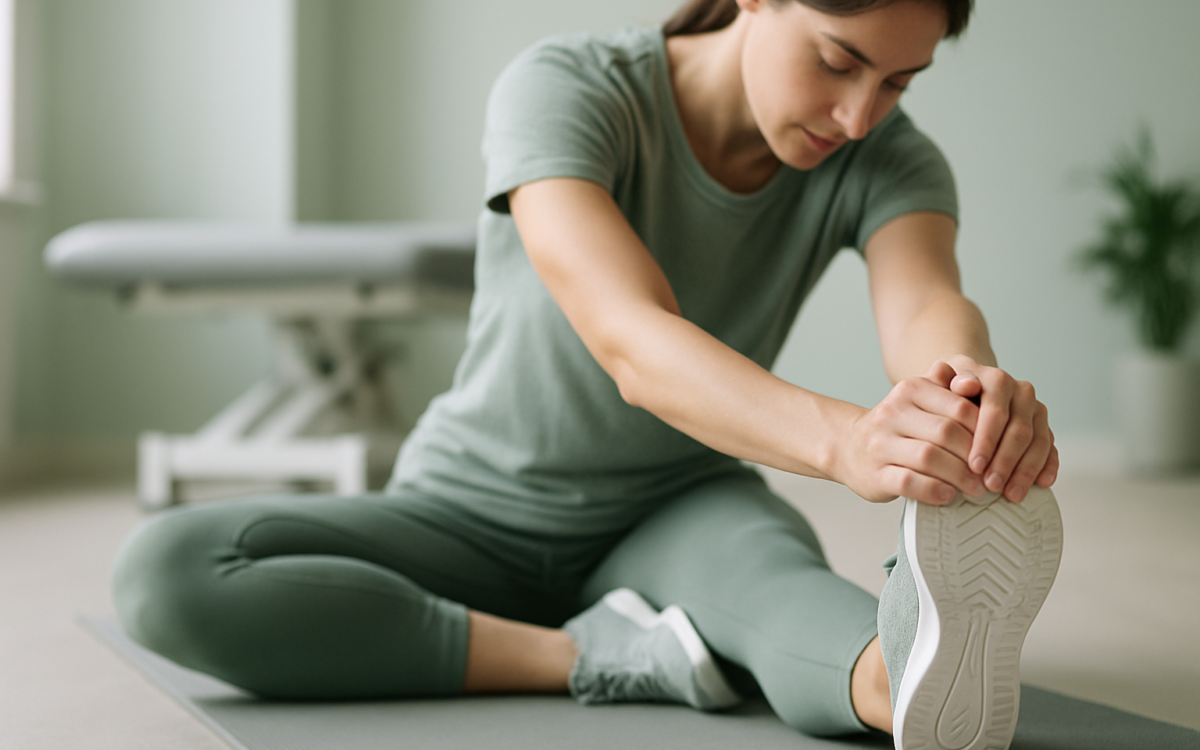
Sit with one leg extended straight and the other leg bent, bringing the sole of your foot to your inner thigh. Reach toward your toes of the extended leg, keeping your back straight.
Quadriceps Stretch
Stand on one leg, pulling your other heel toward your glutes. Hold your ankle. You can use a wall for support if needed.
Calf Stretch
Stand facing a wall, place your hands against it, and extend one leg back, keeping it straight and your heel down. Bend your front leg and feel the stretch in your calf.
Incorporating Stretching into Your Day
Finding time to stretch can be a challenge, but it doesn’t require much effort. You could spend just 10 minutes in the morning before starting your day or take a few minutes during breaks at work. Notably, people who practice yoga or Pilates often experience improved flexibility and muscle tone. These activities also incorporate stretching into a broader fitness routine.
If you’re considering professional guidance, there are international clinics such as Acibadem International that offer specialized programs and consultations. They can help tailor a regimen that fits your lifestyle and needs, ensuring you maximize your flexibility and overall health.
Stretching for Special Populations
Different groups may benefit from specific stretching techniques. For seniors, gentle stretches that improve mobility can help reduce the risk of falls. According to the World Health Organization, maintaining flexibility through stretching is crucial for older adults to preserve independence as they age.
For athletes, post-workout stretching can enhance recovery and prevent injuries, while dynamic stretching is ideal for warming up. Pregnant women can also benefit from stretches that alleviate discomfort, but they should always consult with their healthcare provider before starting any new routine.
Common Stretching Mistakes to Avoid
While stretching is beneficial, there are common mistakes to be aware of:
- Overstretching: Stretch only to the point of tension; sharp pain indicates injury.
- Skipping warm-up: Always warm up your muscles for about 5-10 minutes before stretching.
- Not breathing: Hold each stretch while taking slow, deep breaths to relax your muscles.
- Rushing through: Take your time with each stretch to maximize benefits.
When to See a Doctor
If you experience persistent pain, discomfort during stretching, or any injury that does not improve with rest, it’s essential to consult a healthcare professional. They can help determine the underlying cause and provide tailored advice.
Conclusion
Incorporating a regular stretching routine can lead to significant improvements in your flexibility, posture, and overall well-being. By dedicating just a few minutes each day, you can enhance your physical health and quality of life, preventing injuries and promoting relaxation. Remember to listen to your body, and seek professional guidance when needed.
