
Many of us quickly slip into our daily lives, whether sitting at a desk, working out, or relaxing on the couch. With our busy lifestyles, it can be easy to overlook the importance of stretching. Yet, good stretches not only enhance flexibility but also contribute to overall body health and well-being.
This article will explore effective stretching techniques suitable for various fitness levels, how to incorporate stretching into your daily routine, and the benefits of making stretching a habit.
Why Stretching Matters
Stretching is more than just a warm-up before exercise; it plays a critical role in our overall physical health. Here are some reasons why stretching is essential:
- Improved Flexibility: Regular stretching helps keep muscles long and flexible, allowing for a greater range of motion in the joints.
- Increased Blood Flow: Stretching increases blood circulation to the muscles, which helps in recovery and reduces muscle soreness.
- Stress Relief: Stretching can be a relaxing practice that helps calm the mind and reduce stress, contributing to mental wellness.
According to the National Institutes of Health (NIH), incorporating stretching into your routine can lead to improved overall health outcomes.
Types of Good Stretches
There are two main types of stretching: static and dynamic. Each type has its unique benefits and applications.
Static Stretching
Static stretching involves holding a stretch for a specific period, usually between 15 to 60 seconds. Here are a few effective static stretches:
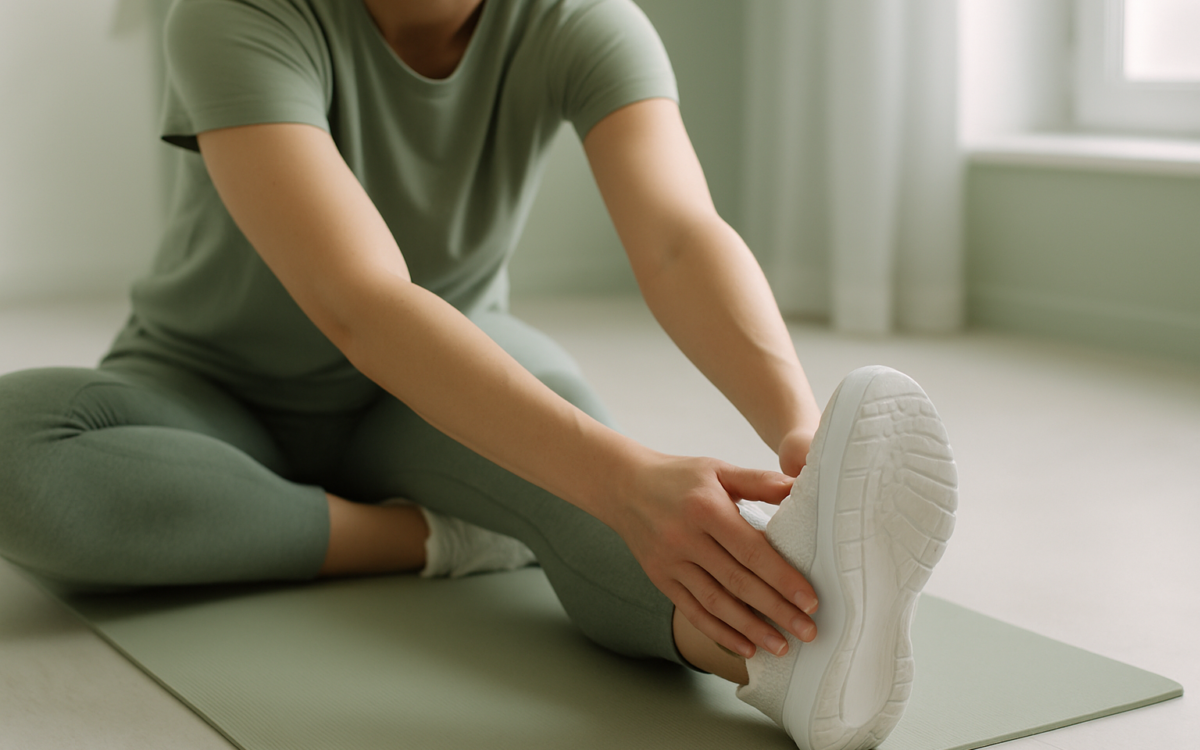
- Hamstring Stretch: Sit on the floor with one leg extended. Reach toward your toes while keeping your other leg bent, aiming to feel tension in the hamstring of the extended leg.
- Quadriceps Stretch: Standing upright, bend one knee and grab the ankle behind you. Pull the ankle towards your glutes until you feel a stretch in the front of your thigh.
- Shoulder Stretch: Raise one arm across your body and use the other arm to gently pull it closer to your chest. Hold until you feel a good stretch in your shoulder.
Dynamic Stretching
Dynamic stretching involves active movements that help warm up the body. Here are some effective dynamic stretches:
- Arm Circles: Stand tall and extend your arms to the side. Make small circles, gradually increasing the size. This helps prepare your shoulders for activity.
- Lunges with a Twist: Step forward into a lunge. As you lower, twist your torso towards the front leg, engaging your core. This stretch activates the hips and spine.
- Leg Swings: Hold onto a wall for balance. Swing one leg forward and backward, keeping it relaxed. This helps warm up your hips and legs.
How to Incorporate Stretching into Your Routine
Making stretching a regular part of your routine doesn’t have to be difficult. Here are some tips to help you get started:
- Set a Schedule: Dedicate specific times each week for stretching, such as before and after workouts or during breaks at work.
- Start Small: If you’re new to stretching, begin with just a few minutes each day. Gradually increase the duration and intensity as you become more comfortable.
- Focus on Breathing: Incorporate deep breathing while stretching. This can enhance relaxation and effectiveness, allowing you to hold stretches longer and feel the benefits more deeply.
The Mayo Clinic emphasizes the significance of making stretching a consistent practice for optimal benefits.
When to Stretch
Knowing when to incorporate stretching into your routine is essential for maximizing its benefits:
- Before Workouts: Engage in dynamic stretching to warm up your muscles and enhance your range of motion.
- After Workouts: Static stretching post-exercise can help cool down the muscles and improve flexibility over time.
- In Daily Life: You can also fit in short stretching sessions throughout the day, especially if you sit for long periods.
Common Stretching Mistakes to Avoid
To reap the benefits of good stretches, it’s important to avoid some common pitfalls:
- Overstretching: Pushing too hard can lead to injuries. Stretch until you feel mild tension, but never to the point of pain.
- Holding Your Breath: Remember to breathe deeply and steadily while stretching; this will enhance your relaxation and effectiveness.
- Neglecting to Stretch All Muscle Groups: Ensure you stretch all major muscle groups to promote balanced flexibility.
When to See a Doctor
If you experience pain while stretching, have persistent tightness in muscles, or are recovering from an injury, it’s best to consult with a healthcare professional. They can provide personalized advice and help you develop a safe stretching routine.
Conclusion
Incorporating good stretches into your daily routine can have profound effects on your physical and mental well-being. Not only does stretching enhance flexibility and relieve muscle tension, but it also promotes overall relaxation and stress relief. By understanding the different types of stretches and implementing them wisely, you can create a more balanced and healthy lifestyle. Embrace the power of stretching, and enjoy the journey to a more flexible, healthier you!
