
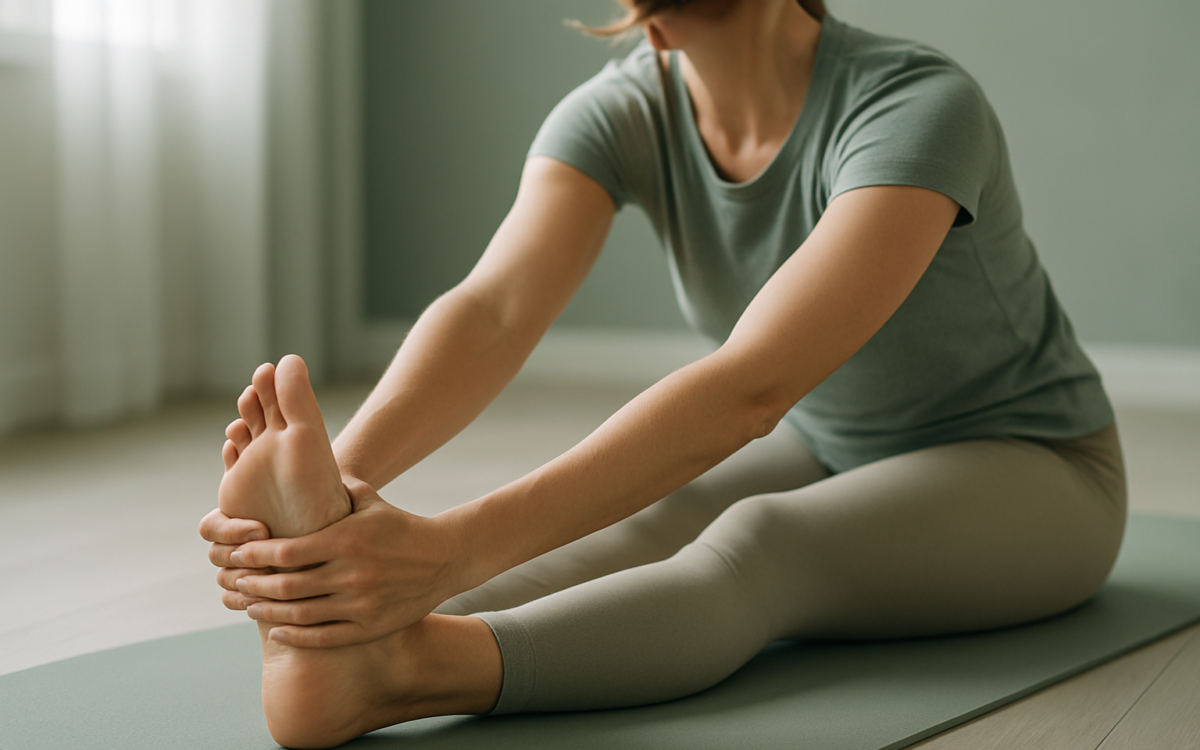
If you’re looking to improve your flexibility or enhance your overall fitness routine, static stretching exercises might be just what you need. Unlike dynamic stretches, which involve movement, static stretches focus on lengthening a muscle and holding that position for a certain period. This approach can be beneficial for everyone, from athletes to those just looking to stay limber. In this article, we’ll delve into the many advantages of static stretching, explore effective stretches, and discuss how to incorporate them into your routine.
What are static stretching exercises?
Static stretching exercises involve gradually easing into a stretch and holding it for a specified duration, usually between 15 to 60 seconds. Throughout this time, the muscle fibers gradually lengthen, promoting flexibility and relaxation. A few typical static stretches include
- Hamstring stretch
- Quadriceps stretch
- Shoulder stretch
- Calf stretch
- Chest stretch
These stretches can be easily performed at home or in a gym setting, making them a versatile addition to your fitness regimen.
The benefits of static stretching
Incorporating static stretching exercises has several important benefits that can enhance your fitness journey:
- Increased flexibility: Regular static stretching can improve your flexibility, helping your muscles range through their full motion. This can enhance your performance in physical activities.
- Improved posture: Stretching helps align your body and can alleviate tension in muscles contributing to poor posture.
- Muscle recovery: Stretching post-workout can help in reducing muscle soreness and expedite recovery by promoting blood flow to the muscles.
- Stress relief: Gentle stretching can be calming and help reduce muscle tension, providing mental relaxation.
Research supports the benefits of static stretching, noting that it plays an essential role in maintaining mobility and overall musculoskeletal health (NIH).
When to incorporate static stretching in your routine
Static stretching can be beneficial at various points during your workout routine:
Post-workout
One of the best times to perform static stretching is after a workout. After your muscles have been warmed up and engaged, stretching helps to preserve flexibility and reduce tightness.
On rest days
Static stretching can also be included on days when you are not working out. These rest days are ideal for focusing on your flexibility and working on muscle recovery.
During warm-up or cool-down
While typically associated with cooling down, static stretching can also be part of a warm-up routine. However, it’s essential to balance static stretches with dynamic stretches to prepare your muscles for the upcoming workout.
Popular static stretches to try
Here are a few simple static stretches you can start with:
Hamstring stretch
Sit on the ground with one leg extended and the other bent. Reach for your toes on the extended leg and hold the position.
Quadriceps stretch
Stand and grab your ankle to pull your heel towards your glutes. Hold onto a wall or chair for balance.
Shoulder stretch
Bring one arm across your body and use your opposite arm to gently pull it closer to your chest, feeling the stretch in your shoulder.
Calf stretch
Press your heel into the ground while stepping forward with the opposite foot, stretching the calf muscle of the back leg.
Chest stretch
Interlace your fingers behind your back and gently pull upward, stretching the muscles of your chest.
These stretches are simple but effective. For those considering international treatment options or seeking expert advice on fitness and wellness, organizations like international patient services can provide assistance tailored to individual needs.
Static stretching and injury prevention
One of the primary reasons people add static stretching to their fitness routines is to help prevent injuries. Stretching can improve flexibility and reduce muscle tension, both of which have been associated with a lower risk of strains and sprains. A study published in the *American Journal of Sports Medicine* indicated that static stretching might be beneficial when performed consistently as part of a well-rounded fitness routine (NIH).
However, it’s important to note that static stretching should not be seen as a complete substitute for other forms of injury prevention, such as strength training and proper warm-ups.
When to see a doctor
Even with the best practices in place, sometimes injuries can occur. If you experience persistent pain, swelling, or discomfort while stretching or performing other exercises, it’s advisable to consult a doctor or physical therapist. They can evaluate your condition and provide appropriate guidance. Always ensure your stretching routine complements your overall fitness goals while promoting safe practices.
In conclusion, static stretching exercises offer valuable benefits for enhancing flexibility, promoting muscle recovery, and preventing injuries. Whether you’re an athlete or someone just looking to feel better in your daily life, incorporating these stretches into your routine can lead to healthier, happier muscles. Remember to listen to your body, and consult a healthcare professional if you have questions about starting new exercises.
