
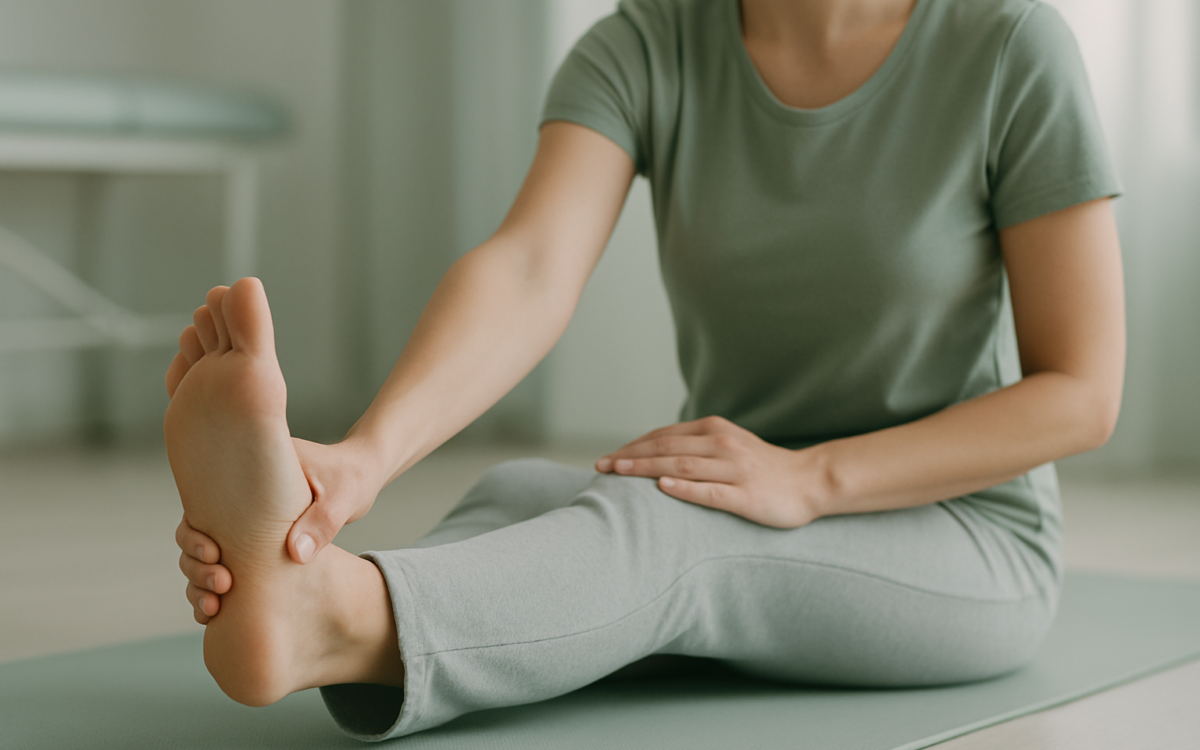
Have you ever watched a cat gracefully stretch its limbs after a nap? Stretching helps animals stay limber, and it can do wonders for us humans too! Incorporating stretching exercises into your daily routine can boost your flexibility, improve your posture, and contribute to overall physical health. In this article, we will explore the different types of stretching, their benefits, and some practical tips for incorporating stretching into your life.
Understanding Stretching Exercises
Stretching exercises involve lengthening your muscles to enhance flexibility. They can be performed before or after workouts, or even as standalone activities. The primary goal is to increase your range of motion and reduce the risk of injury.
The Benefits of Stretching
Stretching offers a host of benefits that can greatly enhance your physical well-being. Here are some key advantages:
- Improved Flexibility: Regular stretching can increase your flexibility, allowing you to perform daily activities with greater ease.
- Enhanced Performance: Athletes often use stretching to improve performance by preparing their muscles for physical activity.
- Reduced Muscle Tension: Stretching helps alleviate tightness in your muscles, which can lead to a more relaxed body.
- Pain Relief: For many individuals, stretching can help relieve discomfort in the back, shoulders, and neck.
- Stress Relief: Incorporating stretching into your routine can promote relaxation and reduce stress levels.
According to research, engaging in regular stretching can also improve overall quality of life, particularly as we age.
Types of Stretching Exercises
There are several different types of stretching exercises, each with its purposes and techniques:
1. Static Stretching
This type involves holding a stretch for a specific period, typically around 15-30 seconds. It’s usually performed after a workout to help relax the muscles.
2. Dynamic Stretching
Dynamic stretching consists of controlled movements that take you through a range of motion. This is often recommended as a warm-up before engaging in physical activity.
3. Ballistic Stretching
This more advanced technique uses momentum to push your body beyond its normal range of motion. It can be effective but comes with a higher risk of injury and is not typically recommended for beginners.
4. Proprioceptive Neuromuscular Facilitation (PNF)
PNF stretching combines contracting and relaxing the muscle group being stretched. This method can significantly improve flexibility but is often best done with a partner.
When to Stretch
Timing matters when it comes to stretching. Here’s when you should consider incorporating it into your routine:
- Before Exercise: Engage in dynamic stretching to warm up your muscles and prepare for physical activity.
- After Exercise: Perform static stretching to cool down, reduce muscle tightness, and promote recovery.
- During Breaks: If you have a desk job, taking brief stretching breaks can help alleviate tension in your back, neck, and shoulders.
According to the CDC, stretching is beneficial not just for physical activities but also for maintaining overall mobility.
Tips for Effective Stretching
To maximize the benefits of stretching, keep these helpful tips in mind:
- Warm Up First: Always do a light warm-up before stretching to prevent injury. Simple activities like brisk walking or jogging in place are effective.
- Listen to Your Body: Avoid pushing yourself too hard. Stretch until you feel tension, not pain.
- Be Consistent: Make stretching a regular part of your fitness routine for the best results. Aim for at least 2-3 times a week.
- Focus on Major Muscle Groups: Pay attention to areas that tend to be tight, such as your hamstrings, quadriceps, and shoulders.
By following these tips, you can enjoy the many physical benefits that stretching offers!
When to See a Doctor
If you experience persistent pain or discomfort while stretching, or if you have a pre-existing medical condition, it’s wise to consult your doctor. They can help ensure that you’re engaging in safe practices that suit your individual health needs.
Remember, stretching is an important aspect of physical health that shouldn’t be overlooked. Whether you’re a seasoned athlete or just starting your fitness journey, adding stretching exercises to your routine can lead to improved flexibility, reduced tension, and enhanced overall well-being.
