
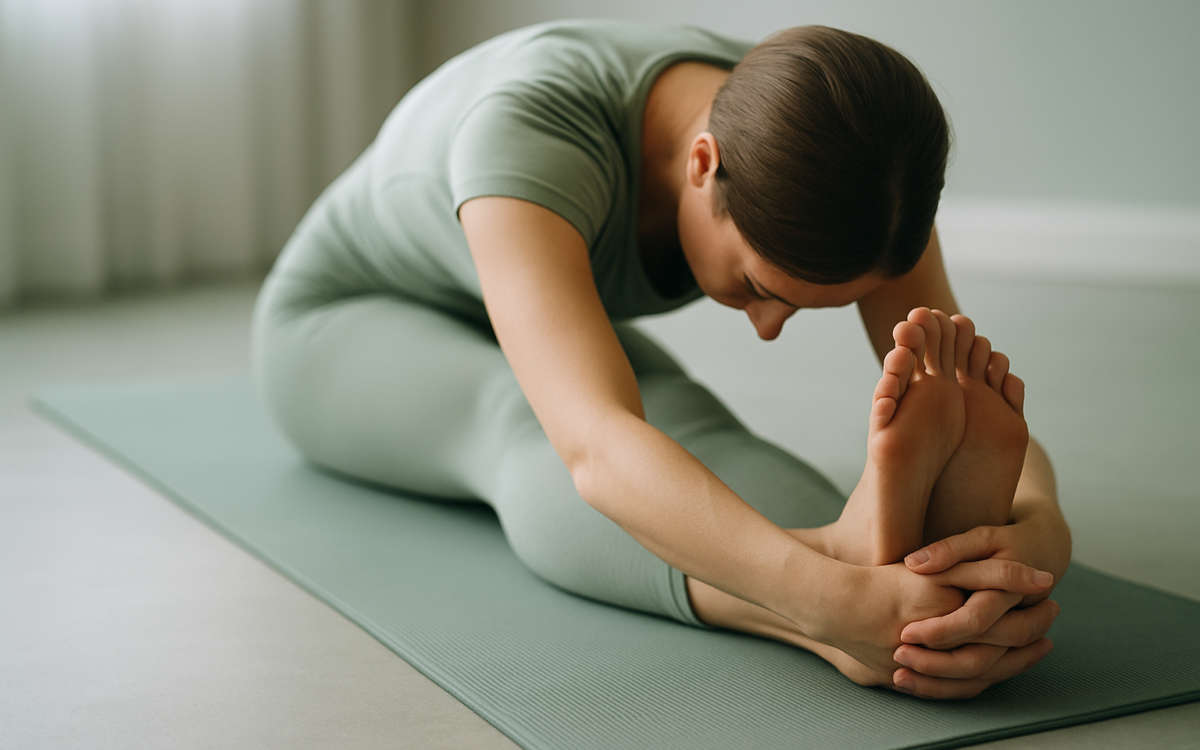
Being flexible not only helps you master dynamic movements but also contributes to your overall health. Whether you’re looking to improve your athletic performance, alleviate muscle tension, or simply be able to bend down to tie your shoes with ease, flexibility is a key component of physical fitness. Thankfully, flexibility isn’t something you’re stuck with—it can be improved over time with the right approach.
Understanding Flexibility
Flexibility refers to the ability of your joints and muscles to move through their full range of motion. It involves the elasticity of muscle fibers, tendons, and connective tissues. Factors influencing flexibility include age, gender, genetics, and your current physical activity level. While some individuals may have a naturally higher range of motion, anyone can benefit from stretching and flexibility training.
Why Flexibility Matters
Incorporating flexibility into your fitness routine comes with numerous benefits:
- Injury Prevention: Increased flexibility can help reduce the risk of injuries by preparing your muscles and joints for strenuous activities.
- Improved Performance: Athletes and fitness enthusiasts often find that enhanced flexibility leads to better performance in their activities.
- Posture and Balance: Flexibility contributes to improved posture and balance, which can be crucial as we age.
- Enhanced Overall Well-being: Stretching and flexibility exercises can relieve stress and promote relaxation, adding psychological benefits to your routine.
Types of Stretching Techniques
When aiming to improve flexibility, it’s essential to understand the types of stretching techniques available:
Static Stretching
This type involves holding a stretch in a challenging but comfortable position for a period of time, typically 15-60 seconds. It’s best done after workouts when your muscles are warm.
Dynamic Stretching
This method involves moving parts of your body through their full range of motion in a controlled manner. Dynamic stretches are often included in warm-ups to prepare your body for exercise.
PNF Stretching
Proprioceptive Neuromuscular Facilitation (PNF) is a more advanced type of stretching that involves both stretching and contracting the muscle group targeted. Working with a partner can help maximize the benefits of PNF stretching.
Creating a Flexibility Routine
To effectively incorporate flexibility training into your schedule, consider the following steps:
1. Assess Your Current Flexibility
Before you start, it’s helpful to gauge your baseline flexibility. Simple tests like reaching for your toes can identify which areas may need improvement.
2. Choose the Right Time
Timing matters! The best times to incorporate flexibility training are during your warm-up and cool-down periods. Aim for at least two to three sessions per week.
3. Start Slowly and Progressively Increase
Don’t push your body too hard too fast. Flexibility improves gradually—try to increase your stretch duration and intensity slowly over time.
4. Mix in Different Techniques
Incorporate a range of stretching techniques. For example, dynamic stretching can be part of your warm-up, while static stretching can be saved for your cool-down.
5. Stay Consistent
Consistency is critical to seeing results. Set reminders or schedule specific times throughout your week dedicated to your flexibility exercises.
Incorporating Yoga and Pilates
Yoga and Pilates are excellent disciplines that promote flexibility while offering various additional health benefits, such as core strength and mental focus. These practices blend stretching with controlled movements and breath work, enhancing flexibility beyond standard stretching routines. Both beginners and experienced practitioners can engage with these practices at various levels.
Staying Motivated and Setting Goals
Motivation can wane when starting a new routine. To stay engaged:
- Set realistic goals: Instead of broad goals (like improving your flexibility), aim for smaller targets, like improving your ability to reach toward your feet.
- Track your progress: Keep a journal or use an app to document your flexibility improvements over time.
- Make it enjoyable: Blend flexibility exercises with fun activities like dance classes or group workouts to keep it enriching.
When to See a Doctor
If you experience persistent pain while stretching or find that certain movements cause discomfort, it may be time to consult a healthcare professional. They can help assess any underlying conditions and provide guidance tailored to your individual needs. For issues related to your muscles or joints, consider reaching out to a specialist at the Mayo Clinic or the National Heart, Lung, and Blood Institute.
Conclusion
Flexibility is an essential aspect of staying fit and healthy. With a commitment to regular stretching and a balanced approach, you can enhance your range of motion and enjoy many physical and mental benefits. Remember, like any fitness goal, improving flexibility takes time, patience, and practice. So, take a deep breath, find your balance, and enjoy the journey to a more flexible you!
