
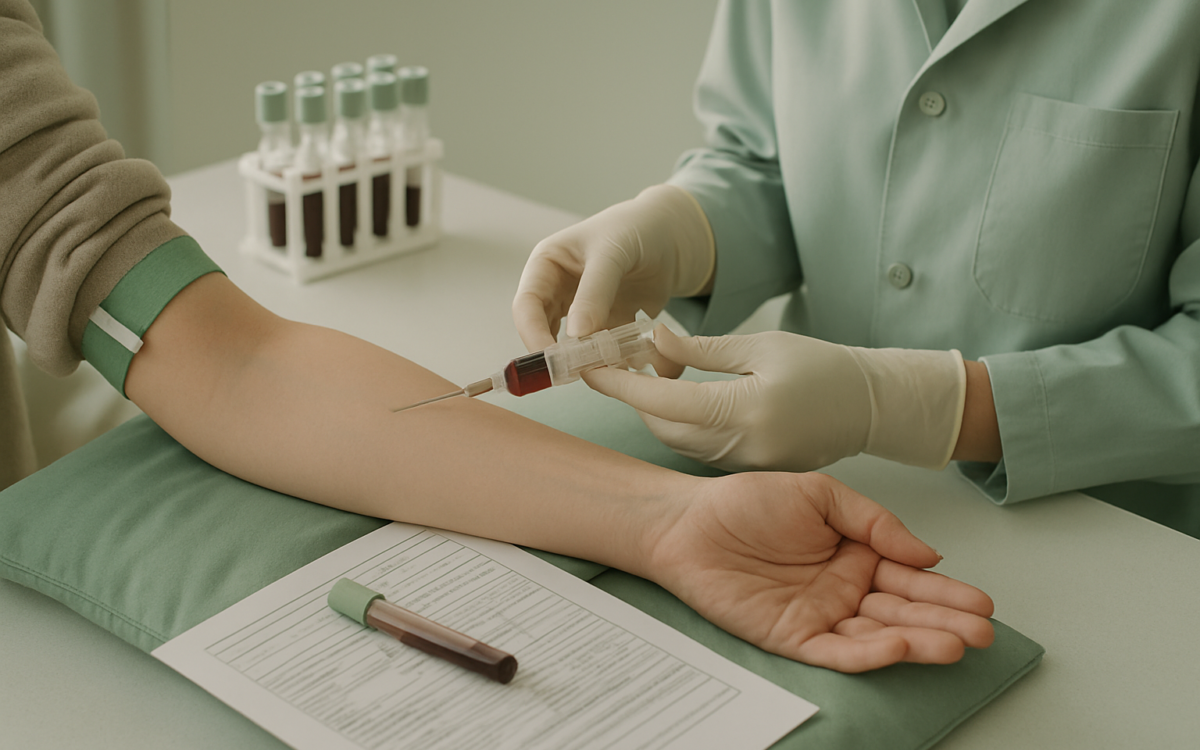
Understanding your health is more crucial than ever, and one of the most effective ways to do this is through a comprehensive blood analysis. This test can help unveil vital information about your overall well-being, often before signs of illness appear. Whether you’re curious about your nutritional status or seeking to identify potential health risks, a comprehensive blood analysis is a valuable tool.
What is Comprehensive Blood Analysis?
A comprehensive blood analysis, commonly referred to as a blood panel or blood test, involves examining various components of your blood. Typically, it includes tests for:
- Complete Blood Count (CBC): This test measures different parts of your blood, including red blood cells, white blood cells, and platelets.
- Basic Metabolic Panel (BMP): This evaluates your glucose levels, calcium, and electrolytes, providing insights into your kidney function, blood sugar, and overall metabolic health.
- Lipid Panel: This important test measures cholesterol levels and triglycerides, helping assess cardiovascular health.
- Liver Function Tests: These tests evaluate your liver’s health by measuring the levels of liver enzymes and proteins in your blood.
- Thyroid Function Tests: These tests assess how well your thyroid is functioning, which is vital for hormone regulation and metabolism.
Why is a Comprehensive Blood Analysis Important?
A comprehensive blood analysis serves several purposes:
- Early Detection: Many health conditions, such as diabetes or kidney diseases, can develop without noticeable symptoms. Regular blood tests can catch these issues early, when they are often more manageable.
- Monitoring Chronic Conditions: If you have existing health conditions like diabetes or heart disease, regular blood work can help track your progress and guide treatment decisions.
- Nutritional Assessment: Blood tests can help identify deficiencies in essential vitamins and minerals, allowing for dietary adjustments to improve overall health.
Who Should Get a Comprehensive Blood Analysis?
While everyone can benefit from understanding their health through blood tests, certain individuals should prioritize getting a comprehensive blood analysis:
- Adults Over 40: As people age, the risk of developing various health issues increases, making regular blood tests more crucial.
- Individuals with Family History: If you have a family history of chronic illnesses such as heart disease or diabetes, regular testing can help catch any early signs.
- Those with Lifestyle Risks: Individuals who smoke, have a poor diet, or do not exercise regularly may need closer monitoring of their health indicators.
How to Prepare for a Blood Test
Preparation can affect the accuracy of your blood test results. Here are some tips:
- Fasting: Some tests require you to fast for 8 to 12 hours before getting your blood drawn. Be sure to follow your doctor’s instructions.
- Medication: Inform your doctor about any medications or supplements you’re taking, as these can influence test results.
- Hydration: Drink plenty of water before the test, as staying hydrated can make it easier to draw blood.
Understanding Your Results
After your blood test, your doctor will review the results with you. Here’s what you can typically expect:
- Normal Range: Most test results will show a normal range. This indicates that your numbers fall within what is considered a healthy level.
- Out of Range: If any values are outside the normal range, your doctor will explain what this could mean and may recommend follow-up testing or lifestyle changes.
- Context Matters: Remember, not every value must fall perfectly within the average range. Your doctor will take into account your overall health, symptoms, and history when interpreting your results.
Finding the Right Timing for Blood Tests
Regular check-ups are essential for maintaining good health. However, when exactly should you plan on having a comprehensive blood analysis? Consider the following:
- An Annual Routine: Many health experts recommend having a comprehensive blood panel done at least once a year, especially for adults.
- Before Starting a New Routine: If you’re about to embark on a new exercise or diet regimen, getting a baseline blood test can provide valuable insights.
- Following Health Changes: If you notice unusual symptoms or shifts in your health, such as weight loss, fatigue, or changes in appetite, consult your doctor and consider getting a blood test.
When to See a Doctor
If you experience unexplained symptoms, such as fatigue, weight changes, or unusual bruising, it’s essential to consult a healthcare provider. They can help determine if a comprehensive blood analysis is necessary to further investigate ongoing health issues.
Conclusion
A comprehensive blood analysis is an essential element of preventive healthcare. It provides valuable insights into your health status and helps catch potential problems early. By understanding its importance and working with your healthcare provider, you can take proactive steps toward maintaining your health. Start by discussing your blood test needs at your next doctor’s appointment, and unlock the keys to your well-being!
