
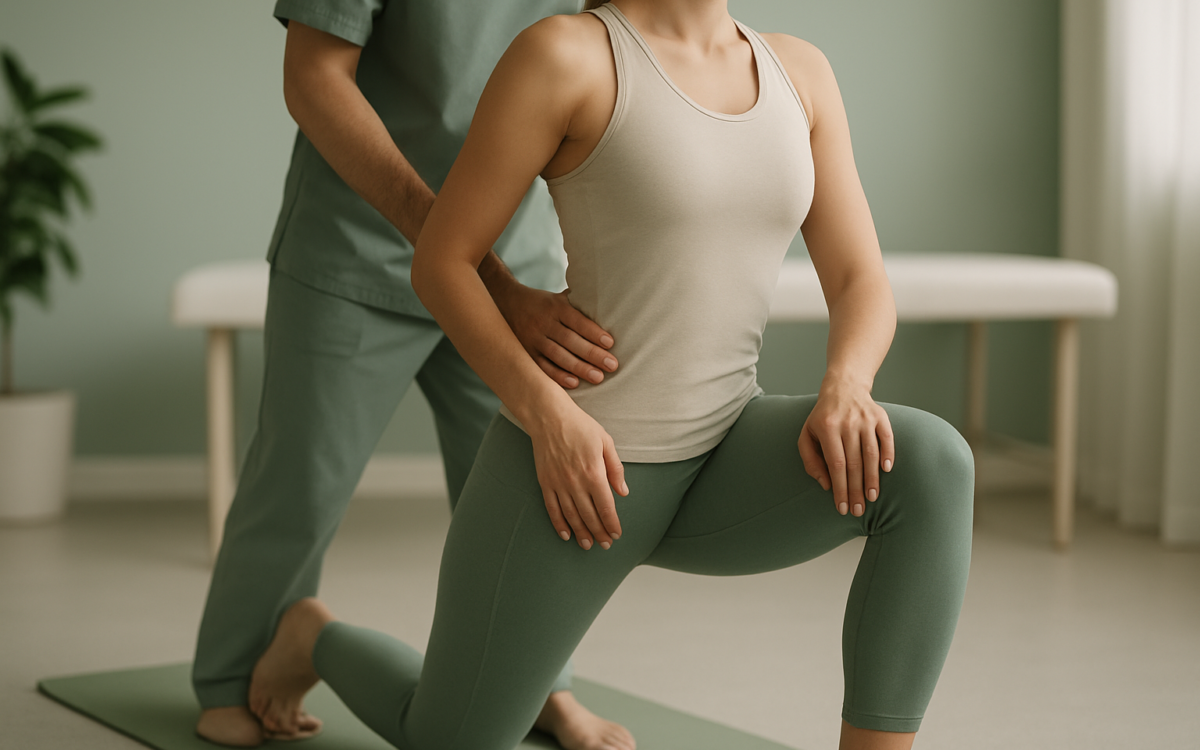
Are you feeling tightness in your hips? Many people experience discomfort in this area, especially if they sit for long periods or engage in repetitive activities. Stretching your hip flexors can help relieve tension, improve flexibility, and enhance your overall mobility. In this article, we will explore how to stretch hip flexors effectively and safely, whether you’re an athlete or just someone looking to feel better in daily life.
Understanding Hip Flexors
The hip flexors are a group of muscles located at the front of your hip. They play a vital role in moving your legs and bending at the waist. The primary hip flexor muscles include the iliopsoas, rectus femoris, and sartorius. Tight hip flexors can lead to discomfort and limited movement, making stretching them essential for maintaining a healthy lifestyle.
Benefits of Stretching Your Hip Flexors
- Improved Mobility: Regular stretching helps maintain or improve your range of motion, making everyday activities easier.
- Reduced Back Pain: Tight hip flexors can contribute to lower back tension. Stretching them can alleviate some of that discomfort.
- Better Posture: Stretching improves your posture by helping align your hips and spine.
- Enhanced Athletic Performance: Flexibility in the hips can lead to better performance in running, jumping, and other athletic activities.
How to Stretch Hip Flexors: Essential Stretches
Here are some effective stretches you can easily do at home or in a gym. Ensure you perform each stretch gently, avoiding any sharp pain.
1. Lunge Stretch
The lunge stretch targets your hip flexors and helps open up your hips.
- Start in a standing position.
- Step forward with your right foot, lowering your hips until your right knee is bent at a 90-degree angle.
- Your left knee should be touching the ground. Keep your back straight.
- Hold this position for 20-30 seconds and switch sides.
2. Pigeon Pose
This yoga stretch is great for targeting both hip flexors and glutes.
- Begin on all fours.
- Bring your right knee forward and place it behind your right wrist.
- Extend your left leg back, keeping your hips square to the ground.
- Lower your torso down and hold for 20-30 seconds. Switch sides.
3. Kneeling Hip Flexor Stretch
This stretch also effectively targets the hip flexors without placing much stress on the joints.
- Kneel on your right knee and place your left foot in front, bending your left knee at a 90-degree angle.
- Push your hips forward gently, feeling the stretch in your right hip.
- Hold for 20-30 seconds, then switch legs.
How to Incorporate These Stretches into Your Routine
To benefit the most from these stretches, consider dedicating a few minutes daily to practicing them—especially if you have a sedentary lifestyle. You can perform these stretches after exercise or at the end of your day. It may be particularly helpful to integrate them into your routine if you travel frequently or sit for extended periods to relieve tension and reduce stiffness.
For those considering international treatment options, clinics like international patient services can offer specialized care and advice on maintaining flexibility and mobility while traveling.
Tips for Safe and Effective Stretching
Here are some essential tips to ensure your stretching routine is safe and effective:
- Warm Up: Always warm up before stretching to avoid injury. A light walk or some gentle movements can help.
- Go Slow: Stretch gently and avoid bouncing or forcing your body into a position. This could lead to injury.
- Listen to Your Body: If something feels too painful, ease off the stretch and try a gentler one. Pain is your body’s way of signaling that something is wrong.
- Stay Consistent: Aim to stretch at least 3-5 times a week for the best effects.
When to See a Doctor
If you experience chronic pain or tightness in your hips that does not improve with stretching, it’s essential to consult a healthcare professional. Conditions like hip impingement or arthritis may require specialized treatment.
Conclusion
Stretching your hip flexors is a simple yet effective way to enhance your mobility and relieve discomfort. By incorporating these stretches into your routine, you can unlock a better range of motion, reduce tension, and possibly improve your overall quality of life. Remember to listen to your body and consult a medical professional if needed. Happy stretching!
