
Hip flexors are a group of muscles that play a vital role in our daily movements, from walking and running to climbing stairs. These muscles help lift your knees and bend at the waist. However, many people overlook their hip flexors, leading to weakness and discomfort. Fortunately, with the right exercises, you can strengthen these important muscles and enhance your overall mobility.
Understanding Hip Flexors
The hip flexor group primarily consists of the iliopsoas (which includes the iliacus and psoas major), rectus femoris, and sartorius muscles. These muscles are essential for activities that involve lifting your knees or bending at the hip. Weak hip flexors can lead to decreased athletic performance and even contribute to lower back pain, making it important to include strengthening exercises in your fitness routine.
Why Strengthening Matters
Strengthening your hip flexors can improve your mobility, enhance athletic performance, and help prevent injuries. Weak hip flexors can lead to issues like poor posture, hip pain, and increased strain on the lower back. Physical activity, especially activities requiring bending or lifting, can benefit significantly from strong hip flexors. A well-rounded exercise program that includes hip flexor strengthening can play a role in your overall fitness and physical health.
Effective Hip Flexor Strengthening Exercises
Here are some effective exercises to help you strengthen your hip flexors:
1. Standing Knee Raises
- Stand upright with your feet hip-width apart.
- Lift your right knee towards your chest while balancing on your left leg.
- Hold for a moment, then lower your leg back down.
- Repeat 10-15 times on each leg.
2. Lying Leg Raises
- Lie flat on your back with your legs straight.
- Slowly lift one leg up towards the ceiling while keeping the other leg flat on the ground.
- Hold for a few seconds, then lower back down.
- Repeat 10-15 times for both legs.
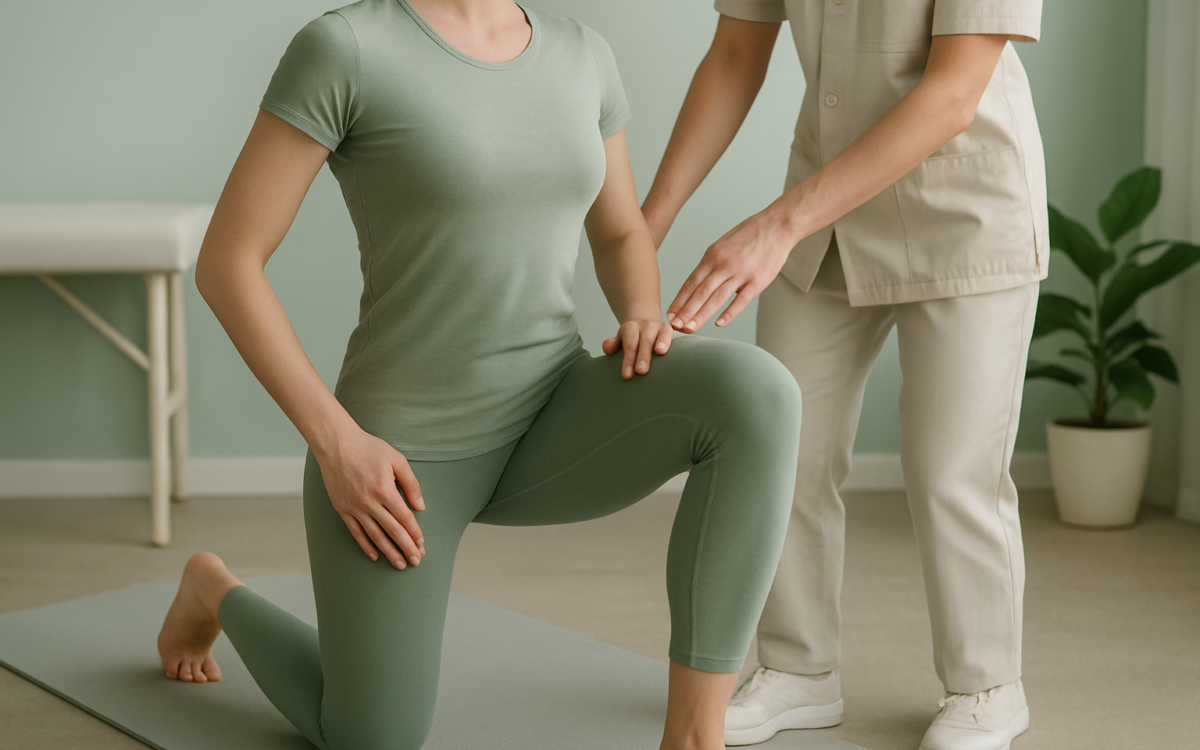
3. Hip Flexor Stretch with Isometric Hold
- Start in a lunge position with your right foot forward and left knee on the ground.
- Shift your weight forward, keeping your right knee above your ankle.
- Press your left hip forward and hold for 10-15 seconds.
- Switch legs and repeat.
4. Cable Hip Flexor Pulls
- Stand facing a cable machine or resistance band.
- Attach the cable at the lowest position and secure it around your ankle.
- While holding onto the machine, lift your leg towards your chest.
- Slowly lower your leg back down and repeat for 10-15 reps.
5. Mountain Climbers
- Start in a plank position with your hands directly under your shoulders.
- Drive your right knee towards your chest, then quickly switch to your left knee.
- Continue alternating for 30-60 seconds.
Incorporating Strengthening into Your Routine
To see the best results, it’s important to incorporate hip flexor strengthening exercises into your regular fitness routine. Aim to perform these exercises at least two to three times a week. You can begin with one set and gradually increase the number of sets as your strength improves. Always focus on maintaining proper form throughout the movements to prevent injury.
Warm-Up and Cool Down
Before engaging in any strengthening exercises, it’s crucial to warm up your muscles. Dynamic stretches, such as walking lunges and leg swings, can prepare your hip flexors for activity. After your exercises, cool down with static stretches targeting your hip flexors and surrounding muscles to enhance flexibility and reduce soreness.
When to See a Doctor
If you experience persistent pain in your hip or groin area, or if your hip flexors are affecting your daily activities, it may be time to consult a healthcare professional. They can help identify any underlying issues and may suggest tailored exercises or therapies to address your specific needs. You can refer to resources from institutions like the National Institutes of Health (NIH) for further information on hip health.
Conclusion
Strengthening your hip flexors doesn’t have to be complicated. With consistent practice of these exercises, you can enhance your mobility and support your overall fitness. Remember to listen to your body, maintain proper form, and consult a healthcare professional if you encounter any issues. A little effort in strengthening your hip flexors can go a long way in making daily movements easier and more enjoyable.
