
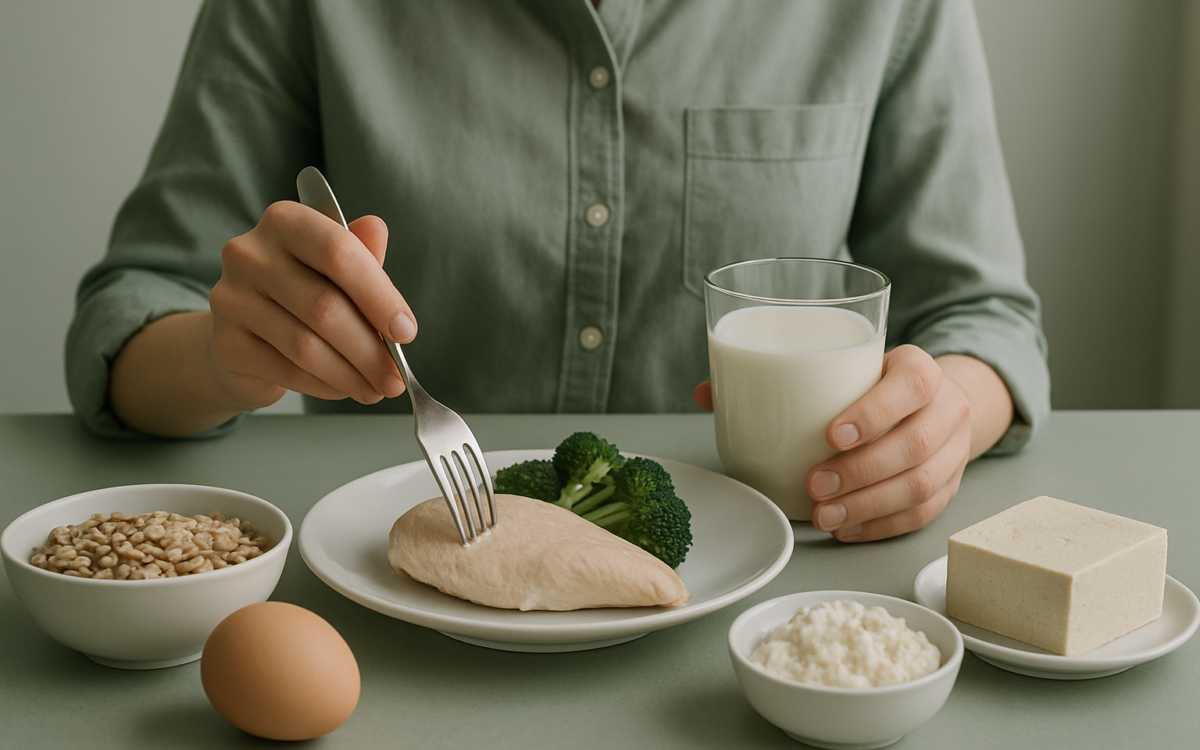
Protein is one of the most important nutrients for our bodies. It’s crucial for building and repairing tissues, making hormones, and supporting immune functions. Whether you’re an athlete looking to build muscle, a busy parent juggling meal prep, or simply trying to eat healthier, understanding how to increase your protein intake can have significant benefits for your health.
Understanding Protein Needs
First, it’s important to know how much protein you need. The Recommended Dietary Allowance (RDA) for protein is around 46 grams per day for women and 56 grams for men. However, these numbers can vary based on age, activity level, and specific health conditions. For instance, athletes may require significantly more protein to support muscle recovery and growth. If you’re uncertain about your specific needs, resources like the National Heart, Lung, and Blood Institute offer guidelines to help you figure out your daily requirements.
Start Your Day with Protein
Breakfast is a great opportunity to increase protein consumption. Consider starting your day with options that pack a protein punch. Here are some ideas:
- Greek Yogurt: This creamy delight offers double the protein of regular yogurt and can be topped with fruits and nuts for added nutrients.
- Eggs: A versatile source of protein, eggs can be scrambled, boiled, or made into an omelet with vegetables.
- Protein Smoothies: Blending protein powder with fruits and spinach is a quick way to pack many nutrients into one meal.
Smart Snacking for More Protein
Snacking can be an excellent way to boost your protein intake throughout the day. Instead of reaching for typical snacks like chips or candy, try these more protein-rich options:
- Mixed Nuts: A handful of nuts provides healthy fats and protein. Choose unsalted varieties for a healthier option.
- Cheese Sticks: String cheese or other low-fat cheese options can be a satisfying snack.
- Chickpeas: Roasted chickpeas can be a crunchy, protein-rich alternative to chips.
Make Smart Swaps in Cooking
You can easily boost the protein content of your meals by making simple substitutions in your cooking. For example:
- Quinoa: This grain is rich in protein and can be used instead of rice. It’s also gluten-free and packed with nutrients.
- Legumes: Incorporate lentils or beans into soups, salads, and stews for a hearty source of protein.
- Lean Meats: If you eat meat, opt for lean cuts of chicken, turkey, or fish which tend to have more protein compared to fatty cuts.
Explore International Protein Sources
Don’t forget about the wealth of flavors and protein sources available in various cuisines around the world. For instance, in Mediterranean cultures, they often use ingredients like beans and lentils in dishes, making meals both nutritious and satisfying. Exploring international food options can diversify your diet while increasing protein intake. You can find more information and resources for international treatments and cuisines at acibademinternational.com.
Supplements: A Convenient Option?
For some people, especially athletes or those with higher protein needs, supplements can be a way to ensure you’re getting enough protein. Protein powders come in many forms—whey, casein, soy, pea, and more. While supplements can be beneficial, try to focus on whole food sources first, as they provide additional nutrients and benefits that supplements may lack. The Mayo Clinic offers insights on when and how to effectively use protein supplements.
Staying Balanced with Protein
In your quest for more protein, remember that a well-rounded diet is key. It’s best to combine various protein sources—both animal and plant-based. Each source provides a different balance of amino acids, the building blocks of protein your body needs for overall health.
Final Thoughts
Incorporating protein into your diet doesn’t have to be complicated. By starting your day with protein-rich breakfasts, smart snacking, making cooking swaps, and exploring international cuisines, you can easily meet your protein needs. If you’re unsure about your protein intake or suspect you have unique dietary needs, consulting with a healthcare professional can provide personalized guidance.
When to See a Doctor
If you experience sudden changes in your appetite, weight loss, fatigue, or any other concerning symptoms that you think may be related to your protein intake, it’s important to consult a healthcare professional. They can provide personalized advice based on your individual health needs.
